
| June 16, 2026 | By Katrin Bennhold |
Good morning, world. So is it really over? Ever since the United States and Israel started the war in Iran, there has been talk about ending it. There have been many false starts. Remember when President Trump said it would be “finished pretty quickly?” That was in March. Remember when JD Vance was on the brink of boarding a plane to Islamabad to negotiate a deal — and then didn’t? That was in April.
This time could be different. There are reasons this deal might actually hold. At the same time, the problems between the United States and Iran haven’t become any easier to resolve. And then there is the Israel factor. Today I write about why this agreement might stick, but also why it might not.
Also:
| Iran’s World Cup opener Britain’s social media ban SpaceX shares spike |
Will it stick?
It was vintage Trump.
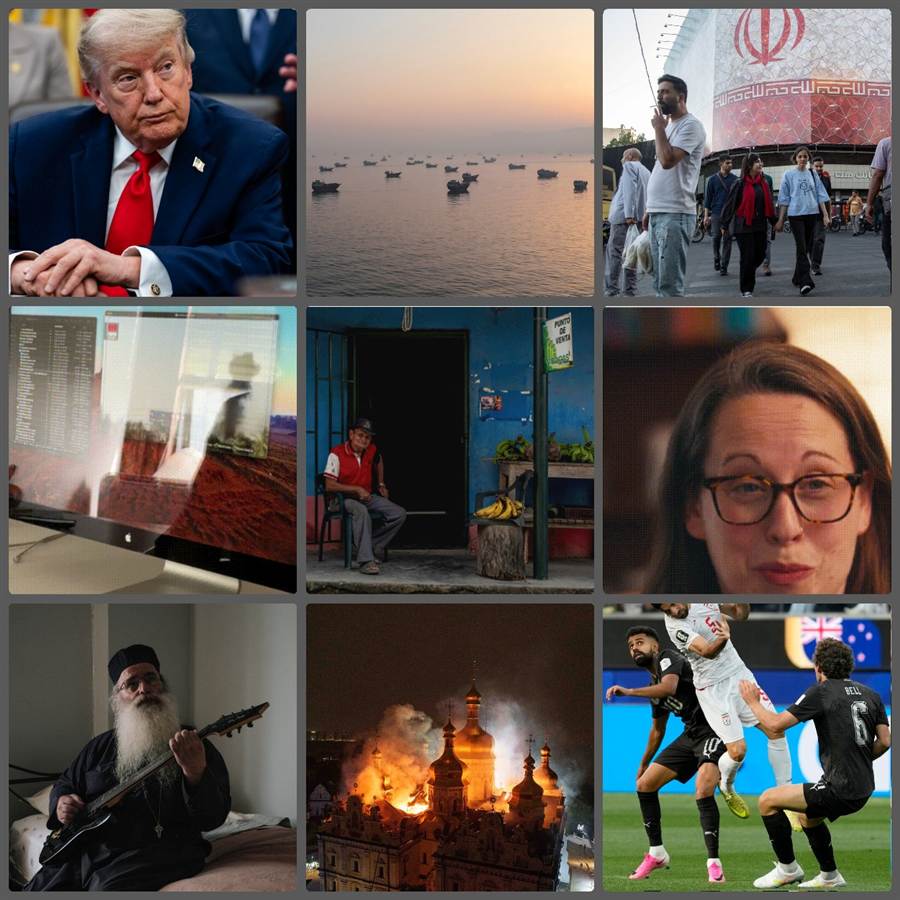
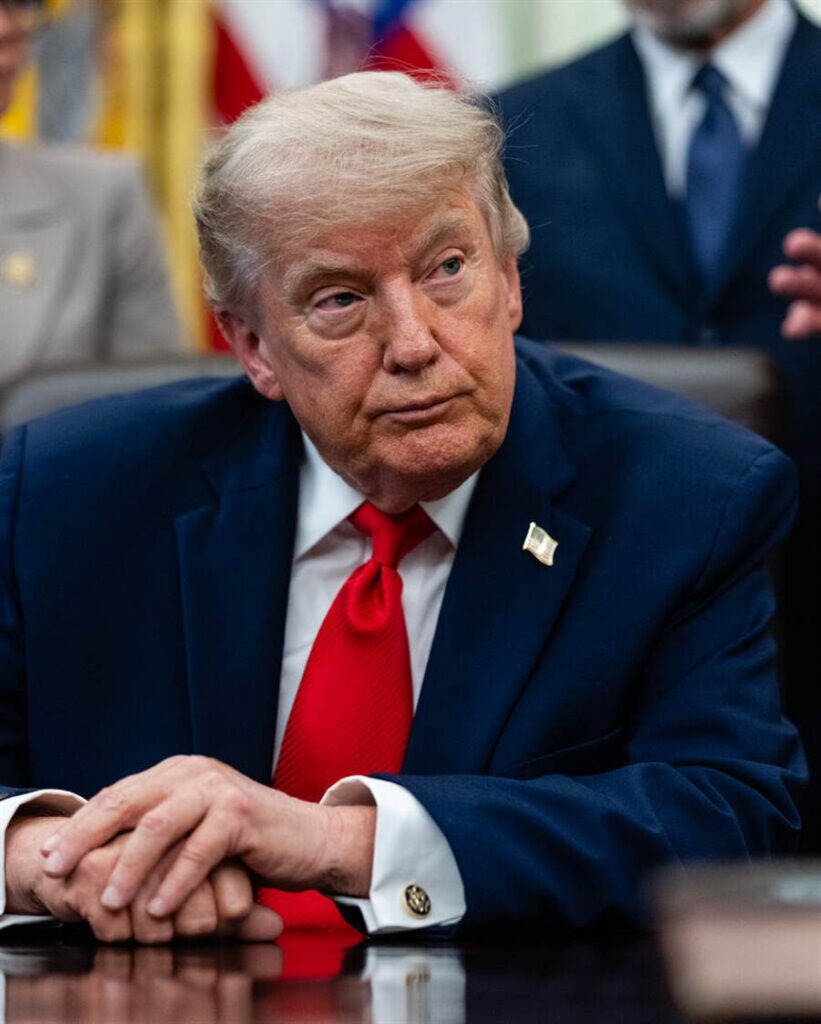
After days of alternating between threats to hit Iran “VERY HARD” and promises that a deal was “very close,” on Sunday the president finally got to announce that the U.S. and Iran had an agreement — on his 80th birthday no less. To mark the occasion, he called my colleague David Sanger, as a birthday cage fight was being set up on the White House lawn, and explained why this was great news.
The Strait of Hormuz would be “permanently toll-free,” Trump said. Iran would forgo high-level nuclear enrichment “forever.” The war had reshaped the Middle East in America’s favor.
But we don’t actually know what the agreement says. The two sides have digitally signed the document, but the text has not been released. We do know that the details about Iran’s future nuclear enrichment haven’t been sorted out yet, that Israel is still bombing Lebanon and that Iran’s foreign minister is talking about charging “fees” on the strait, rather than tolls.
In other words, as David wrote, the president seems to be describing Iranian concessions that have not actually been made. Also vintage Trump.
So what does this mean for the agreement? Can it hold up when the two countries still seem to have serious differences and might even understand the terms of the agreement differently?
My colleague Lara Jakes has a story looking at three reasons the deal might lead to long-term peace — and three reasons it might not. There are reasons to be optimistic. There are also reasons to be skeptical.
Why it might work
The reasons it might work boil down to this: The war really has become painful for both the United States and Iran.
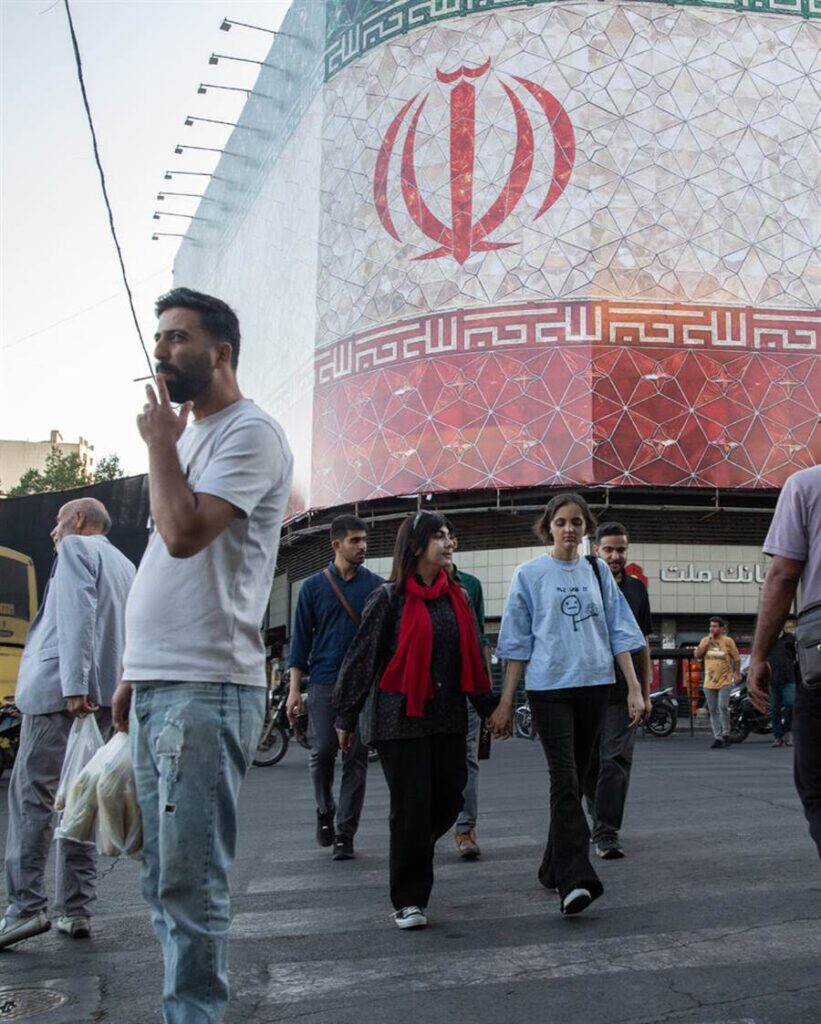
Both want the Strait of Hormuz open. Iran shut the strait, which carries a big chunk of the world’s oil and gas exports, early on in the war, and it proved to be a game changer. It allowed Iran to hold the United States and the world hostage by pushing up energy prices and slowing economic growth. But Trump’s counter-blockade of the strait has caused Iran its own economic pain too, because it can’t export its own oil. Had the blockade gone on, Iran eventually could have had to stop pumping, which would have damaged its oil infrastructure.
Both have burned through weapons. The U.S. military has shifted a huge number of troops and air defense missiles to the Gulf. The war has run down stockpiles and left places like Ukraine and Taiwan more exposed. Iran, by one estimate, has launched more than 1,500 missiles and 4,700 drones against Gulf states since the war began. (Though U.S. intelligence assessments in May estimated that Iran retained about 70 percent of its missile stockpiles.)
President Trump is desperate to declare victory. Trump campaigned on a promise to end wars, not start them. Iran has become a political headache. It is seen as a major factor in his record-low approval ratings. He’s seeing defections from his own Republican camp. And all this just a few months shy of midterm elections.
Why it might all fall apart
Plenty of reasons. But Israel and the Iranian nuclear question are making this especially messy.
Israel really doesn’t like the deal. It wanted this war. First, it persuaded Trump to launch strikes on Iran. Then it broadened the conflict to include Iran’s ally, Hezbollah, in Lebanon. And when it looked as if Trump was on the verge of a deal this weekend, Israel launched strikes on the outskirts of Beirut, prompting Trump to call Prime Minister Benjamin Netanyahu “a difficult guy.” Iran is demanding that any peace deal include Lebanon; Israel doesn’t want its hands tied.
The nuclear question is unresolved. One of Trump’s justifications for the war was stopping Iran from ever having a nuclear weapon. Iran’s leaders have long insisted that their nuclear program is for civilian purposes and that it has a right to enrich uranium. Negotiators have yet to agree on whether and for how long Iran pauses enrichment, at what levels it can enrich uranium in the future and what happens to its existing stockpile of enriched uranium, Lara writes. These are all deeply contentious issues it took the Obama administration nearly two years to hammer out.
Sanctions and frozen assets. Speaking of Obama, Iran wants the U.S. to ease sanctions and unfreeze billions of dollars of its assets in foreign banks. It’s unclear if these issues are even addressed in the framework. But Trump has repeatedly berated Obama for giving Iran respite on both fronts in the 2015 nuclear deal that Trump subsequently left, and he is highly sensitive to the idea that he might not be able to do better.
The Israel-Lebanon factor might be what determines whether this deal even lasts 60 days. If Israel doesn’t derail a push for long-term peace, the efforts to hammer out a nuclear agreement over the next two months might.
For now, the deal is scheduled to be officially signed on Friday in Geneva. It’s the first step toward ending the war for good. Will there be a second?
Related: At the G7 summit meeting in France, Trump met with President Emmanuel Macron, who called the agreement “a very important step toward peace.”
| WORLD CUP |
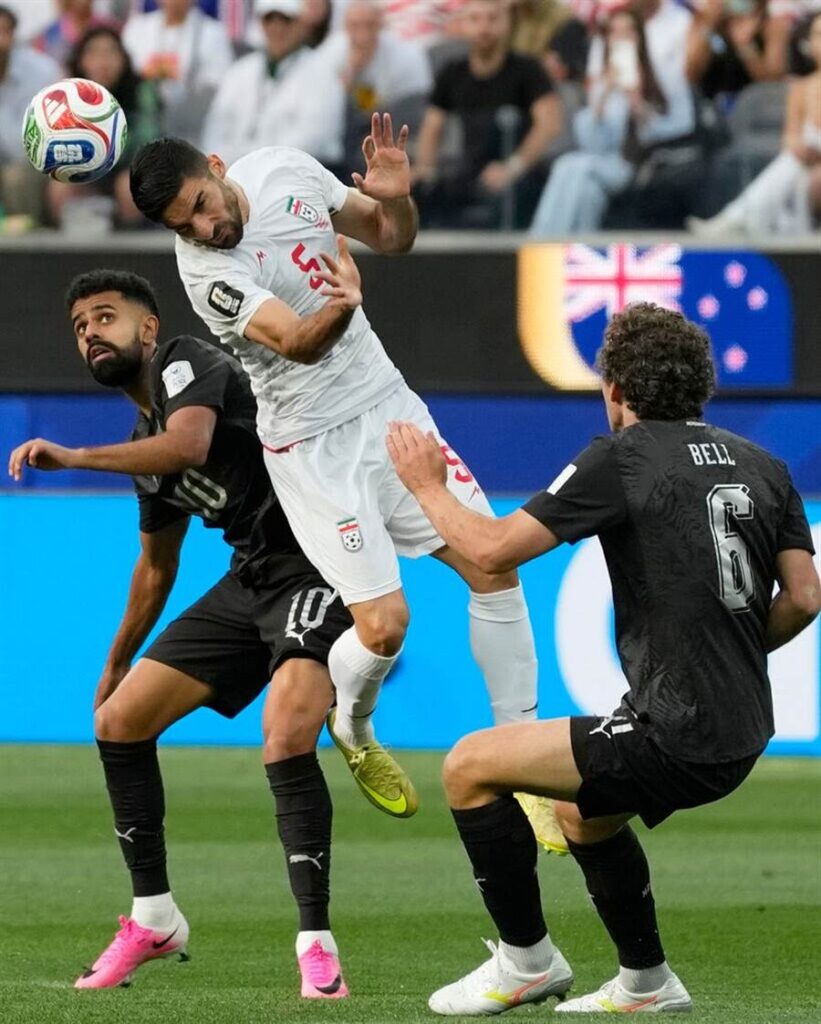
| Iran’s Milad Mohammadi battles for the ball against New Zealand’s Joe Bell. Andre Penner/Associated Press |
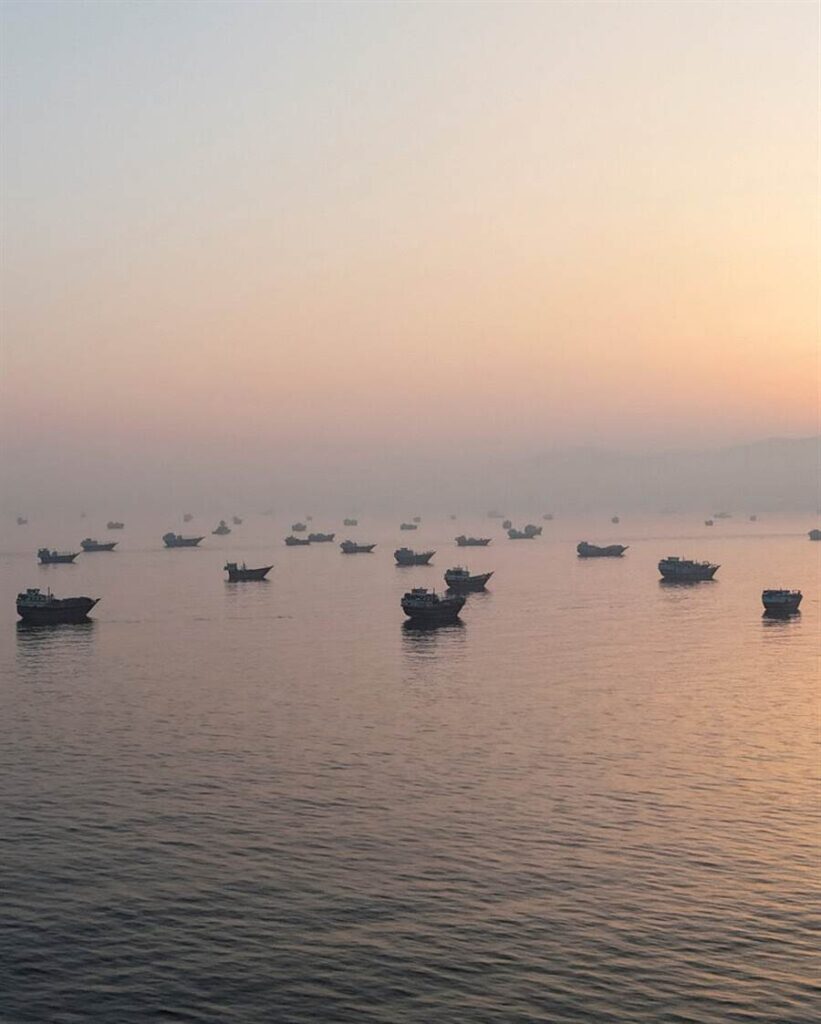
Iran came from behind, twice, to draw with New Zealand in its 2-2 World Cup opener, in a game that happened after months of uncertainty about the participation of the Iranian team.
The match drew spectators who weren’t coming just for the soccer, but rather to protest the regime in Tehran. In defiance of FIFA’s ban on pre-revolutionary Iranian flags, dozens were brought into SoFi Stadium in Los Angeles.
All four matches on Monday came to a draw, in the first time that has happened since 1958.
Cape Verde battled Spain to a 0-0 draw, in a major shock. There were also ties between Belgium and Egypt, and between Saudi Arabia and Uruguay, both in 1-1 games. Follow our live updates.
| MORE TOP NEWS |
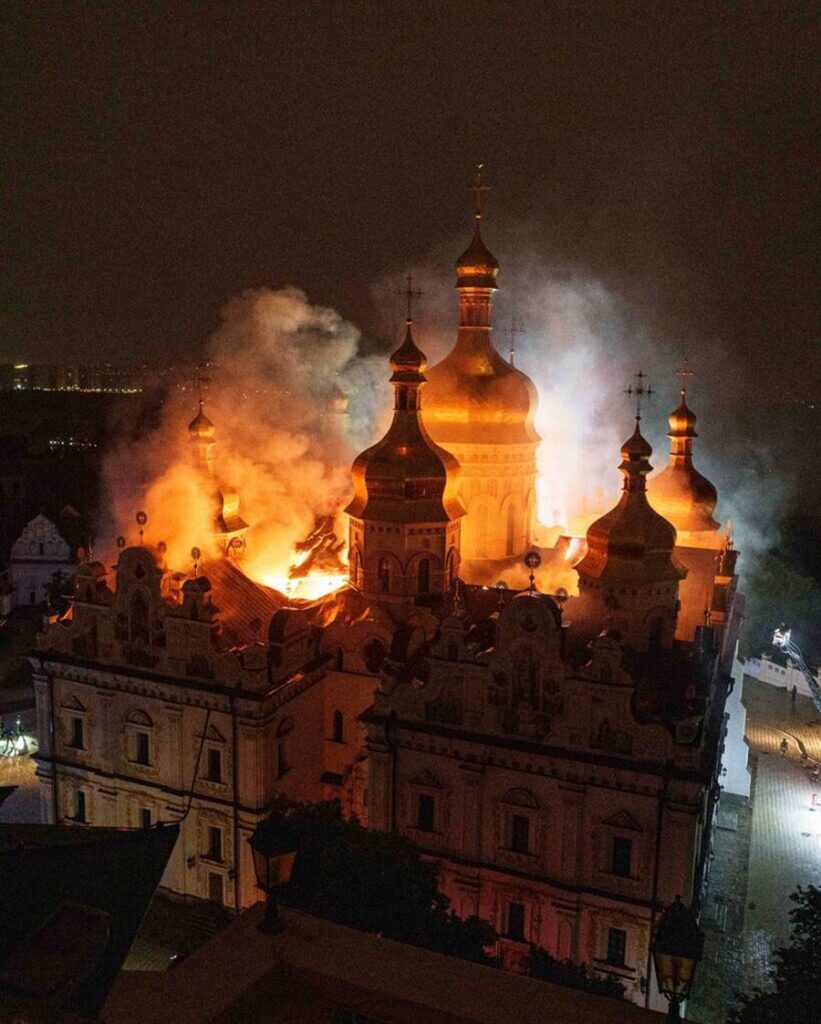
| The Dormition Cathedral in Kyiv, Ukraine, after a Russian strike yesterday. Evgeniy Maloletka/Associated Press |
| A Russian missile and drone attack on Kyiv burned an important cathedral at one of the oldest and holiest sites in Eastern Orthodox Christianity.Britain announced plans to ban access to social media for all children under 16.Two men were convicted in connection with arson attacks targeting Keir Starmer, Britain’s prime minister, after one received instructions from a Russian-language messaging account.Ukraine is poised to take an important step toward joining the E.U., now that Russia’s closest ally in the bloc is gone.Marius Borg Hoiby, the son of Norway’s crown princess, was convicted of rape and sentenced to four years in prison.SpaceX’s share price rose sharply on the company’s first full day of trading. |
What Else is Happening
| Abdullah Ibrahim, the South African jazz pianist and composer whose song “Mannenberg” became the unofficial anthem of his country’s fight against apartheid, died at 91. |
TOP OF THE WORLD
The most clicked link in your newsletter yesterday was about Trump turning 80.
| QUOTE OF THE DAY |

“I feel like I’m going blind.”
Hany Farid, one of the world’s leading deepfake experts, told our reporter that he had stopped trusting his own eyes in the last six months. He’s worried that the new breed of A.I. is obscuring the truth, distorting reality, fracturing democracies and slowly breaking him, too.
| MORNING READ |
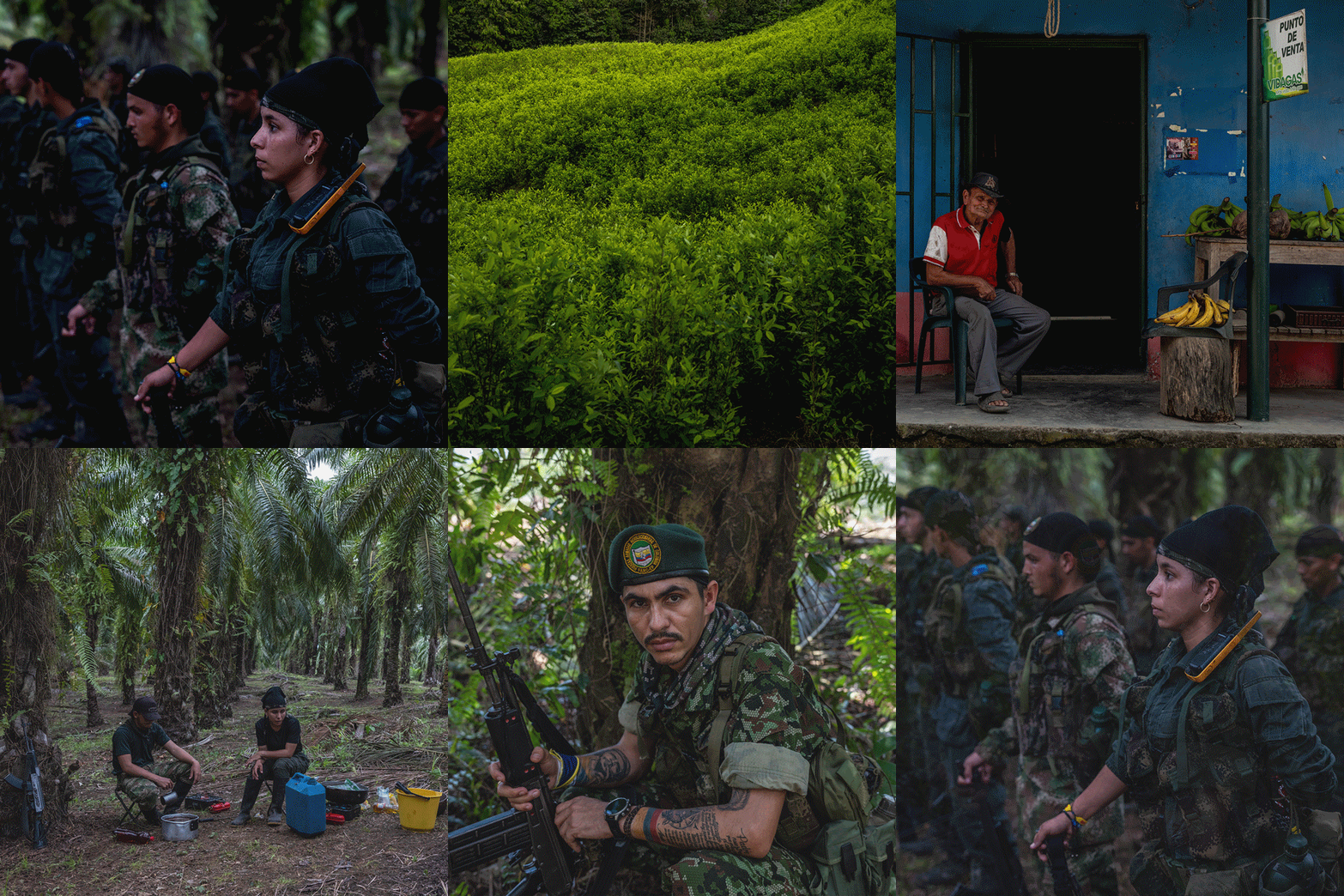
Ten years ago, Colombia’s leaders signed a landmark peace deal to end one of Latin America’s longest and bloodiest internal conflicts, a brutal war against a leftist insurgent army. But peace never came.
Researchers say illegal armed groups now have a presence in 47 percent of municipalities, up from 18 percent in 2019. In fights over illegal gold mines and drug-trafficking corridors, armed groups are combining traditional jungle combat with new drone warfare. The surging violence is a flashpoint in a crucial presidential runoff taking place on Sunday, when a right-wing candidate who promises to crush the groups could win. Read more about the never-ending drug war.
| AROUND THE WORLD |
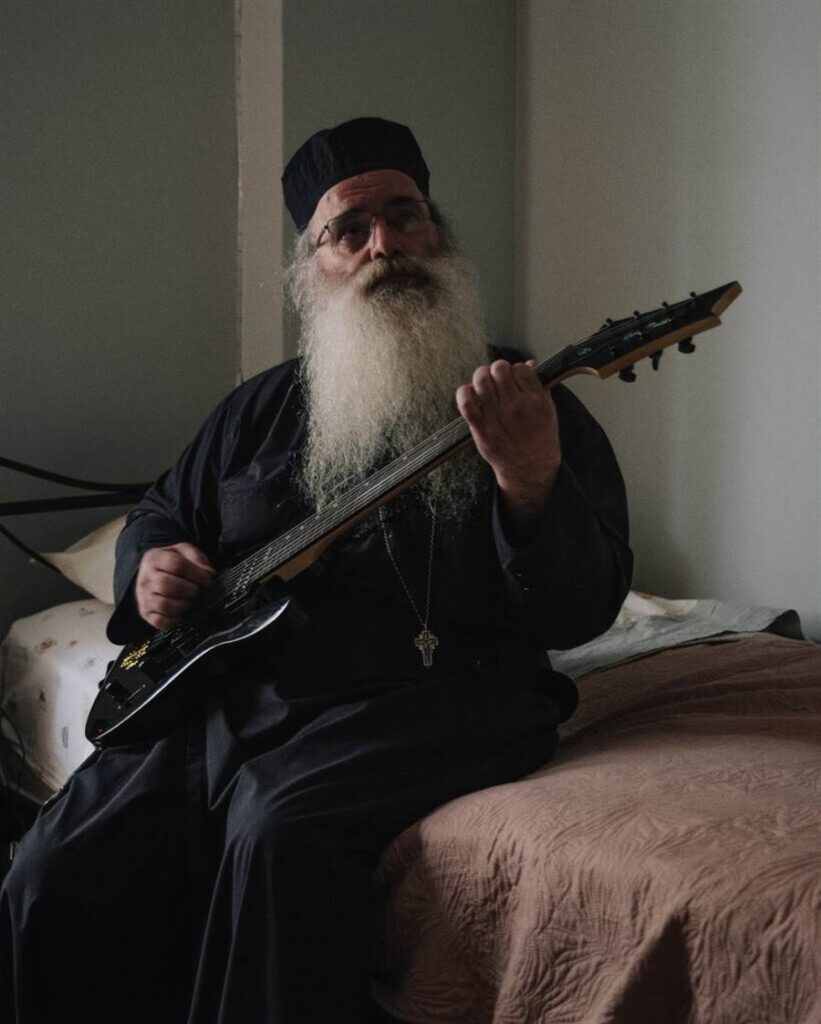
A Greek priest goes metal
Nothing about Dionysios Tabakis’s appearance would suggest that he’s a rising star of an experimental music scene called drone metal. The 53-year-old Orthodox priest, who has spent nearly three decades serving the same church in Nafplio, Greece, has found an unlikely following among hipster music fans.
His debut album, “Paradise Metal,” is a flow of hypnotic Byzantine chants and wavering electric guitar, interwoven with pulsating electronic beats, birdsong and the twanging of traditional folk instruments. As its title suggests, the album brings together the sacred and the alternative. “I don’t consider myself a particularly talented musician,” he said. “I’m just doing what I love, what feels meaningful.” Have a listen.
| RECOMMENDATIONS |

Watch: Steven Spielberg’s “Disclosure Day” is a return to his fixation on aliens.
Read: Who was Emily Brontë? A new biography shines some light.
Stop brushing: Just-rolled-out-of-bed hairstyles are hot right now.
Snooze: Take our quiz to find out your sleep type.
| RECIPE |
Harissa paste does all the heavy lifting in this one-pan chicken dinner. As in Moroccan chicken tagine, ground cinnamon adds a background note of warmth and earthiness.
