
| April 10, 2026 | By Katrin Bennhold |
Good morning, world. The story of the Iran war has been a story about an erratic U.S. president. A regional conflagration. A global energy crisis. A world in disorder.
But it’s also the story of the Iranian people, many of whom feel trapped: between their own leadership, which, according to Amnesty International, killed thousands of protesters in January, and Donald Trump, who went from promising that “help is on its way” to vowing to bomb Iran “back to the Stone Ages.”
Today, my colleague Parin Behrooz, who grew up in Iran and has helped cover the war, writes about the Iranians who lived through it.
Also:
| War shocks in VietnamDining in outer spaceErotica in Nigeria |
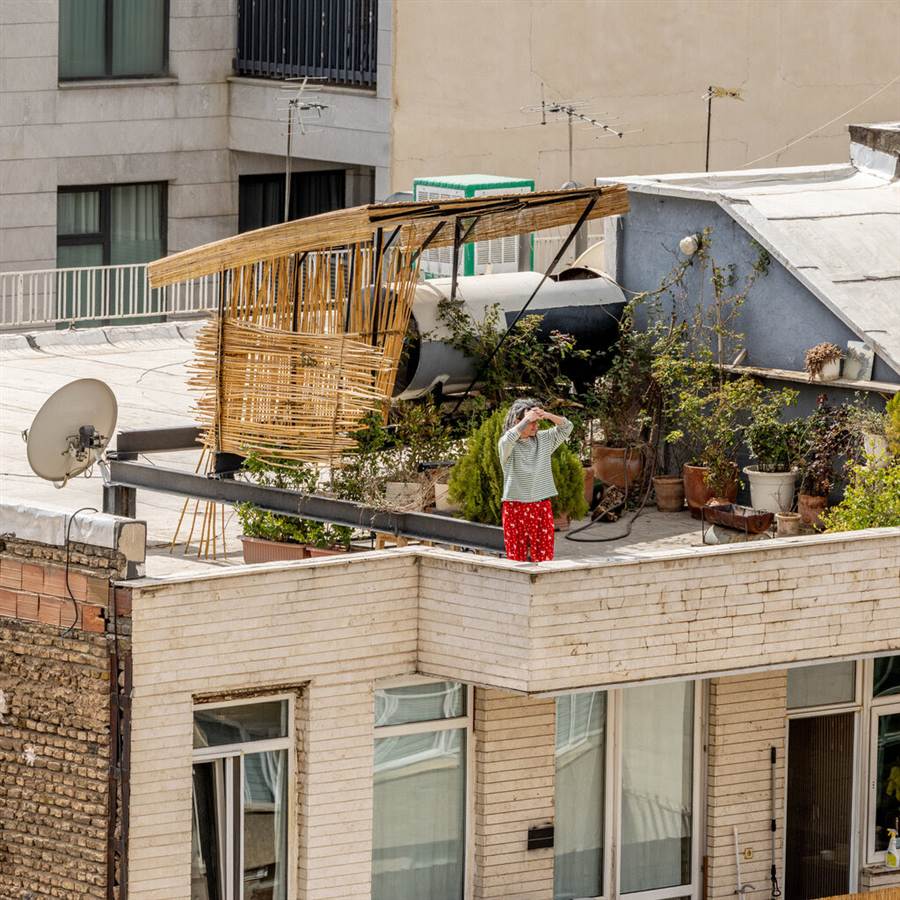
| Watching explosions in Tehran on Feb. 28, the first day of the war. Arash Khamooshi for The New York Times |
The people at the center of the war
By Parin Behrooz
When the U.S. and Israel launched their attack on Feb. 28, some Iranians felt something akin to hope.
The country’s supreme leader, Ali Khamenei, was killed in the opening hours. The deaths of senior military commanders followed. For some of the millions who oppose the Islamic republic, the war felt like a possible way out of an entrenched, repressive system.
When the news of Khamenei’s death was announced, large crowds poured into the streets of Tehran and other cities to celebrate. There were mourners too, of course. But the government is broadly unpopular, and many watching from windows and balconies joined in a chant of “freedom, freedom.”
“Maybe the regime will collapse,” wrote Yassi, a Tehran businesswoman who kept a diary during the war. “Not to say I think war will bring freedom — I am not that naïve. But maybe, just maybe, the regime will crack.”
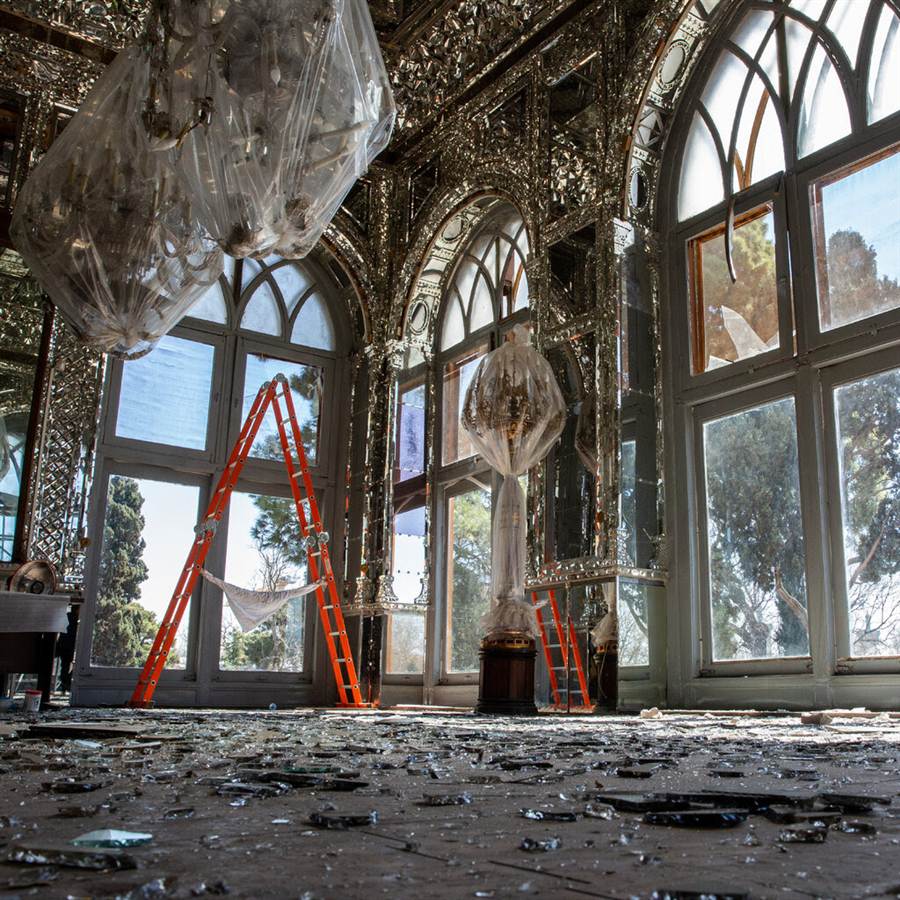
It didn’t. Instead, over six weeks, U.S.-Israeli strikes damaged schools, hospitals, bridges, rail lines, oil depots, pharmacies, steel plants and power plants. Early in the war, a missile struck an elementary school in Minab, killing 175 people, most of them children. Strikes hit Sharif University of Technology, one of the country’s most prestigious academic institutions. Golestan Palace in Tehran, a UNESCO World Heritage Site, was damaged multiple times.
The death toll grew, the damage to civilian infrastructure piled up, and with that came the realization that this war was not going to end the Islamic republic and would outlast the hopes of those who’d briefly believed it could.
The fragile cease-fire has brought relief. But hope feels farther away than ever.
Digital darkness
Understanding what Iranians have lived through these past six weeks has required working around a state-imposed information blackout. Roughly 99 percent of the country has been cut off from the internet since the first days of the war. Incoming international calls are blocked. My colleagues and I depend on brief windows of connectivity to speak to our contacts, who use unreliable VPN connections to reach us.
Many people we reached in the aftermath of Tuesday’s cease-fire announcement feared the same thing: economic ruin. “I’m worried that the economic and cultural situation of society will become worse than before,” Mohammad, a Tehran resident, told my colleagues. They all asked to be identified by only their first names or not at all, fearing reprisal from the government.
Others worried that if economic grievances, which drove many of the recent uprisings, come to a head again, there might be even less room for protest.
In the shadow of war, the government has carried out executions of people arrested in January, including one 19-year-old. A prominent human rights lawyer was detained last week.
Chants about freedom have been replaced by other sounds these days. Many Iranians told us their soundtrack most evenings during the war consisted of explosions, and regular, informal pro-regime street gatherings in Tehran and elsewhere, where government supporters waved flags, broadcast religious chants over loudspeakers and shouted slogans like “God is great, Khamenei is the leader.”
 |
| An apartment damaged by U.S.-Israeli airstrikes in Tehran last month. Arash Khamooshi for The New York Times |
Exhaustion and powerlessness
That the war began with explicit American encouragement for Iranians to rise up and ended with U.S. threats to bomb the country back to “the Stone Ages” has not been lost on the people living through it.
“I feel as if we are not in control of our lives,” Yassi wrote in her diary, “and none of the actors in this war, not the United States, not Israel, and certainly not the Iranian regime, care about the Iranian people.”
For Iranians opposed to the government, the dominant feeling since the cease-fire announcement has been not relief but powerlessness — the exhaustion of a people who were promised transformation and received death, destruction, and yet more uncertainty.
“The hope that this regime was collapsing doesn’t exist anymore,” Yassi said last week. A man in his 20s living in Tehran who once believed in military intervention, but lost hope when he felt it got out of hand, told my colleagues that he planned to use whatever stability the cease-fire might bring to figure out how to leave the country. When he does, he added, he would never look back.
Here’s the latest on the war:
| Israel said it would start talks with the Lebanese government but kept up attacks on Hezbollah. Follow our live updates.Trump’s search for a peace deal exposes divergences between his and Benjamin Netanyahu’s respective long-term goals.The cease-fire between Iran and the U.S. has not coaxed tankers back to the Strait of Hormuz. Here’s what to know about the situation in the strait. |
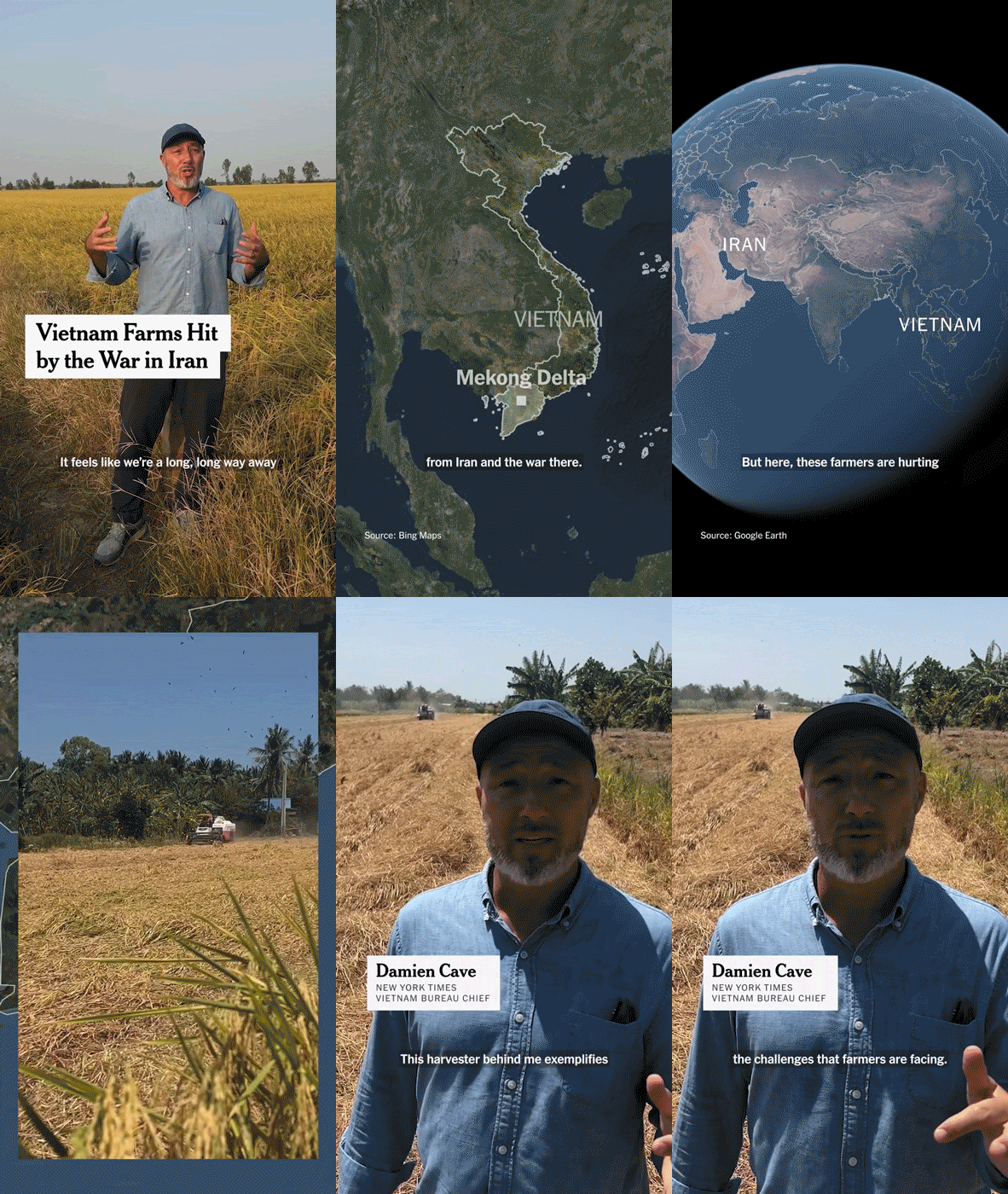
| In Vietnam, home to one of the world’s most productive agricultural regions, skyrocketing oil and fertilizer prices, driven by the war, have brought the rice industry to a near standstill. Damien Cave, our Vietnam bureau chief, examined why that signals global food supply problems and higher grocery prices to come. Watch the video. |
| MORE TOP NEWS |
| NASA and the U.S. Navy began preparations for recovering the Artemis II astronauts and their capsule after they splash down off the coast of Southern California today. The re-entry into Earth’s atmosphere may be the most dangerous part of the mission.Russia sent submarines to spy on undersea pipelines and telecommunication lines in the North Atlantic, Britain’s defense secretary said.In remarks from the White House, Melania Trump said she was not a victim of Jeffrey Epstein and that she had no knowledge of the abuse of his victims. |
Top of The World
The most clicked link in your newsletter yesterday was on the search for Bitcoin’s inventor.
| SPORTS |

Golf: The Masters got underway with the defending champion Rory McIlroy on the course. Read a recap.
Baseball: The Toronto Blue Jays complained to umpires over how long Shohei Ohtani took to get ready to pitch.
| NUMBER OF THE DAY |
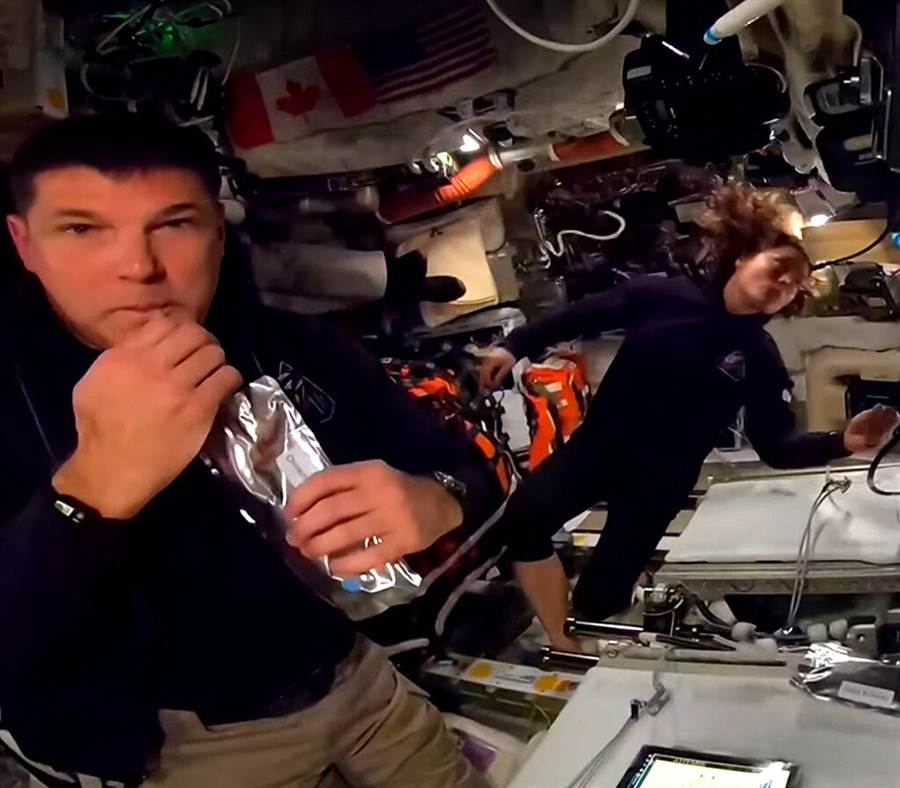
43
That’s how many cups of coffee are available aboard the Artemis II spacecraft, which is now speeding back to Earth after a trip around the moon. What else is on the menu? Granola with blueberries, barbecued beef brisket and macaroni and cheese, among other things. Some of the meals need to be rehydrated before they’re eaten.
| MORNING READ |
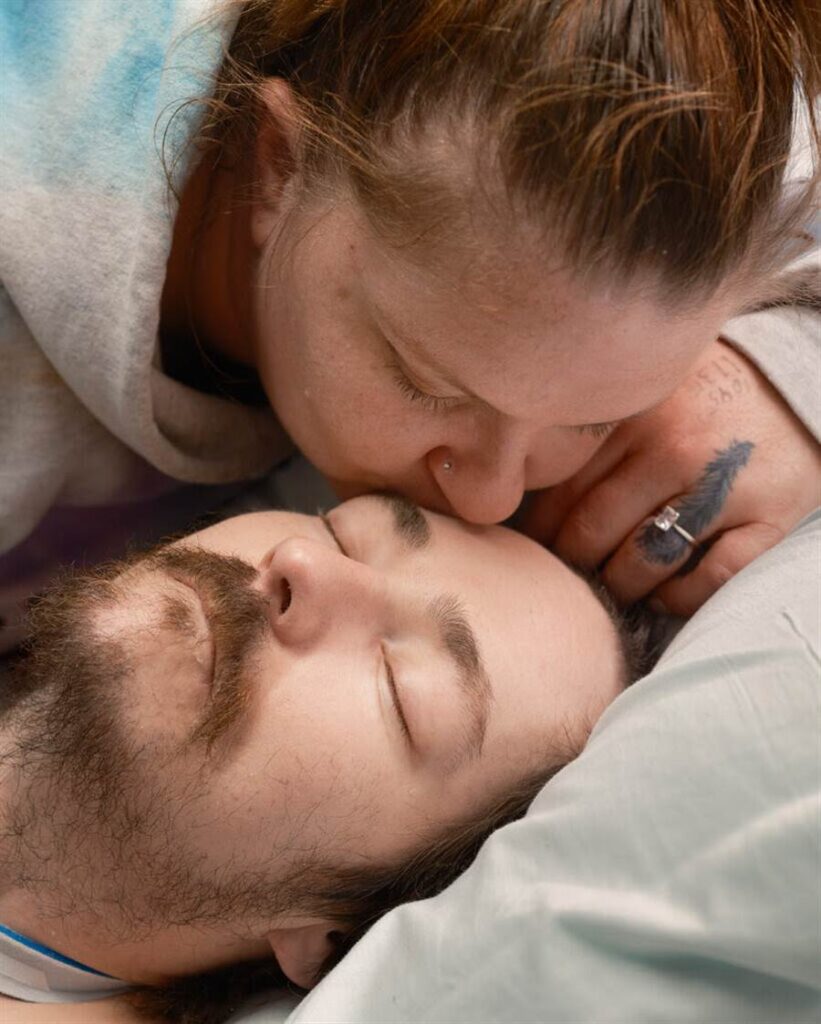
Many doctors consider unresponsive patients who are in comas or vegetative states to be unable to think or feel anything, including pain. But new research shows that it might not be so simple.
Nearly one in four vegetative patients may, in fact, be “covertly conscious,” according to one study. While the patients’ brains were severely damaged, they would still light up on scans, just as healthy ones would, when the patients imagined themselves swinging a tennis racket. Read more.
| AROUND THE WORLD |
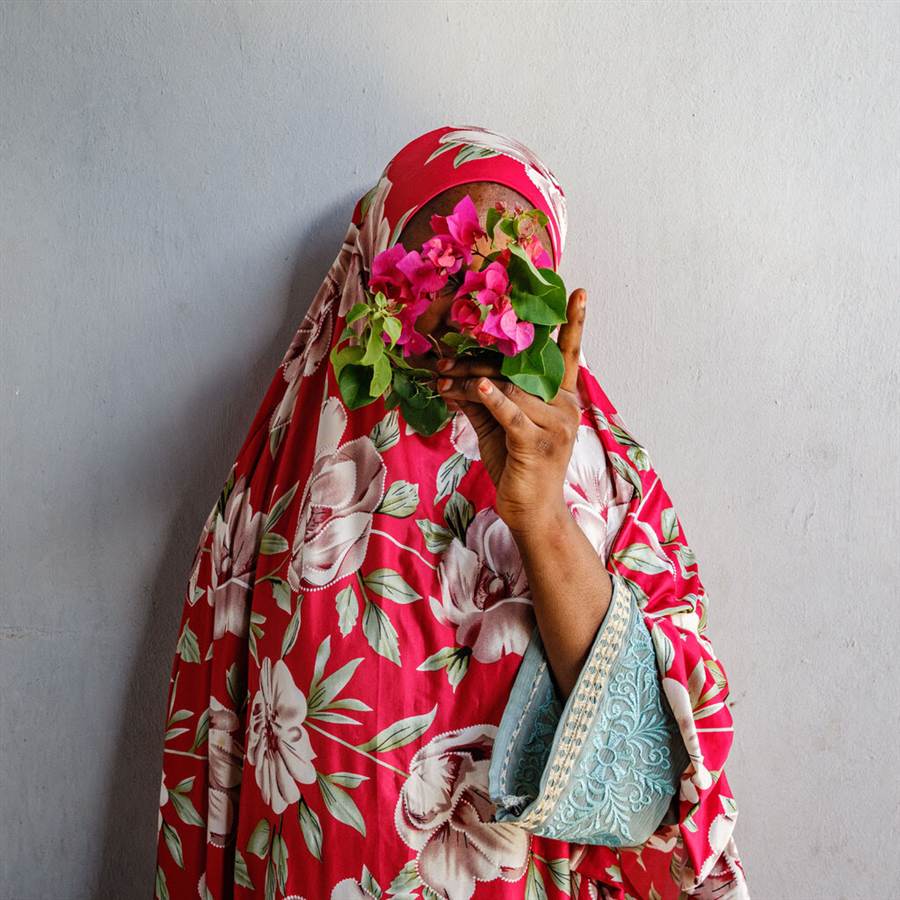
My year in a Nigerian erotica WhatsApp group
By Ruth Maclean
For a year, I lurked — with permission — in a WhatsApp group where a popular erotica writer from northern Nigeria posted book teasers and chatted with her readers. As a window into the lives of women who otherwise would probably never speak so openly, I recommend it.
I joined because I was interested in the business model that writers like Oum Hairan, the group’s owner, had created, and how, through paywalls and private groups, they bypassed Islamic and government censorship in a very conservative part of the world.
But what I found most compelling in the end were the conversations that groups like these fostered between hundreds of devoted readers.
Sometimes the chat was raucous. There were endless jokes, in rapid-fire Hausa, about a book called “Nymphomaniac King,” which tells the story of a monarch whose sexual affliction requires him to rendezvous with at least five women every night, for over two hours each. The readers immediately volunteered to help out.
Often, it was sisterly, offering health and sex tips and advice on how to navigate marital issues, polygamy and patriarchy. When women complained about husbands who, say, turned their attentions to a second wife, readers advised them to ignore the husbands, believe in themselves and focus on making money. “Once a man realizes that you are only seeking his attention and his love, you are doomed,” one wrote.
Other times it was paranoid, going into a frenzy about the men they suspected had infiltrated the women-only group — which was how I mistakenly got thrown out.
I don’t speak Hausa, so I used online translation services and then asked the reporter I was working with on the story, Ismail Auwal — yes, a man — to check that the translations were accurate. “It’s raw,” he kept saying. “It’s very raw!”
That was Ismail’s word for how explicit the content was. But it was also a good description of what this group offered me: women’s lives, raw and unfiltered.
You can read my dispatch here.
| RECIPE |

Bomboloni are cream-filled doughnuts, often enjoyed in Italy with morning coffee or as an afternoon snack. Once fried, the doughnuts are rolled in sugar and filled with a simple pastry cream. Fruit jam or chocolate-hazelnut spread are also common fillings.
