
| May 6, 2026 | By Katrin Bennhold |
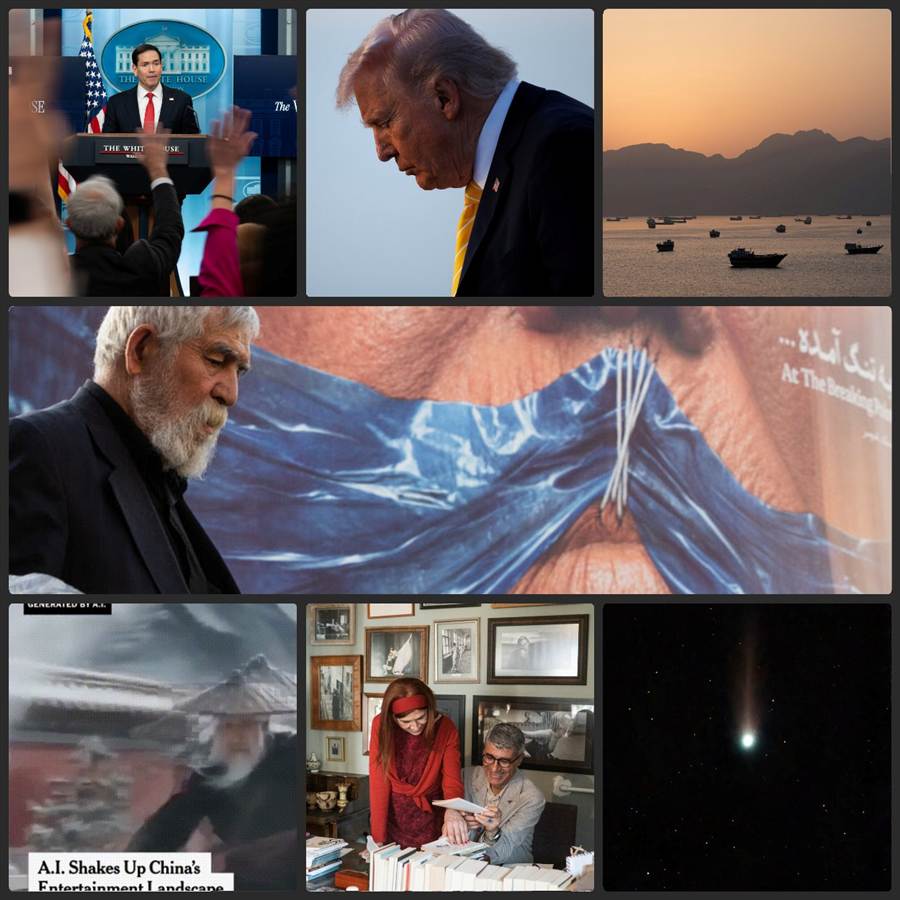
Good morning, world. President Trump clearly wants to end the war in Iran. First, he tried scare tactics. But his ultimatums proved flexible and his threats to wipe out a civilization empty (at least so far). Now he’s trying to inflict financial pain on the Iranian leadership. But his blockade isn’t faring much better. And last night, Trump paused the U.S. operation to escort commercial ships through the Strait of Hormuz after just one day.
Trump’s inability to force the Islamic republic to do what he wants, from opening the strait to giving up its nuclear stockpile, points to a larger truth: Maybe America doesn’t understand Iran. Today my colleague Steven Erlanger, our chief diplomatic correspondent, writes about why there may be no easy way to end this war.
Also:
| The White House insists that the war is over A stricken cruise ship heads to Spain China’s flood of A.I. films |
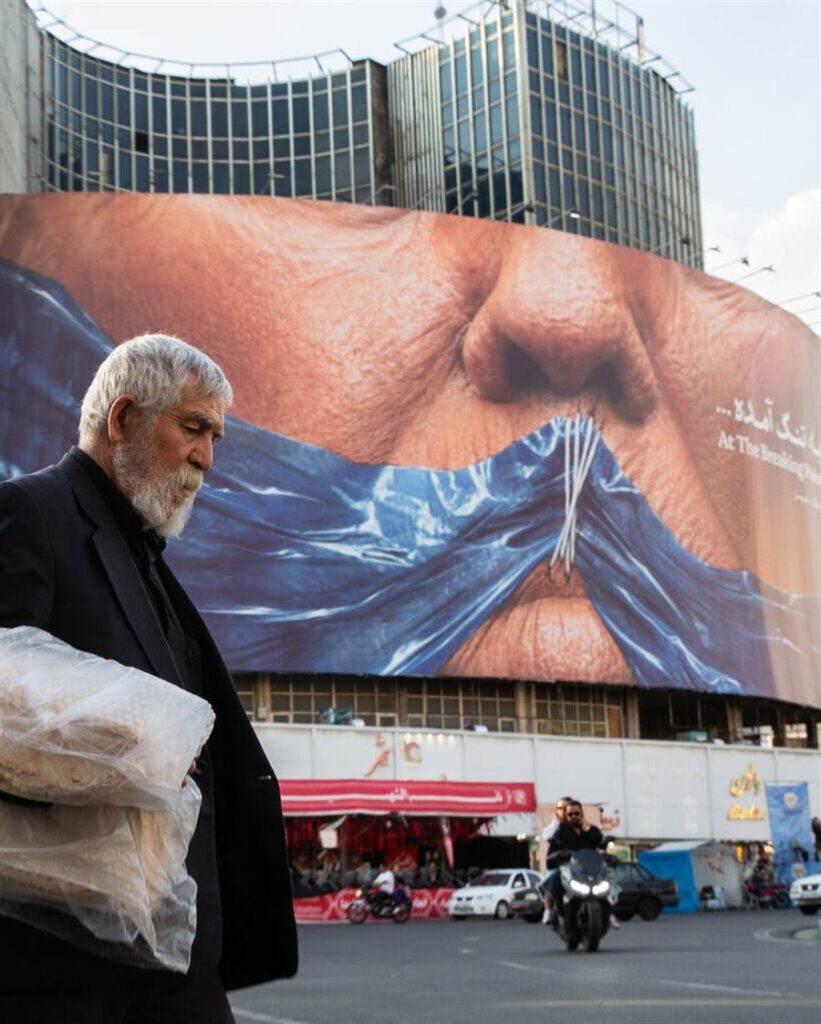
What Trump doesn’t get about the Islamic republic
By Steven Erlanger
President Trump keeps looking for the silver bullet that will help him declare victory in Iran.
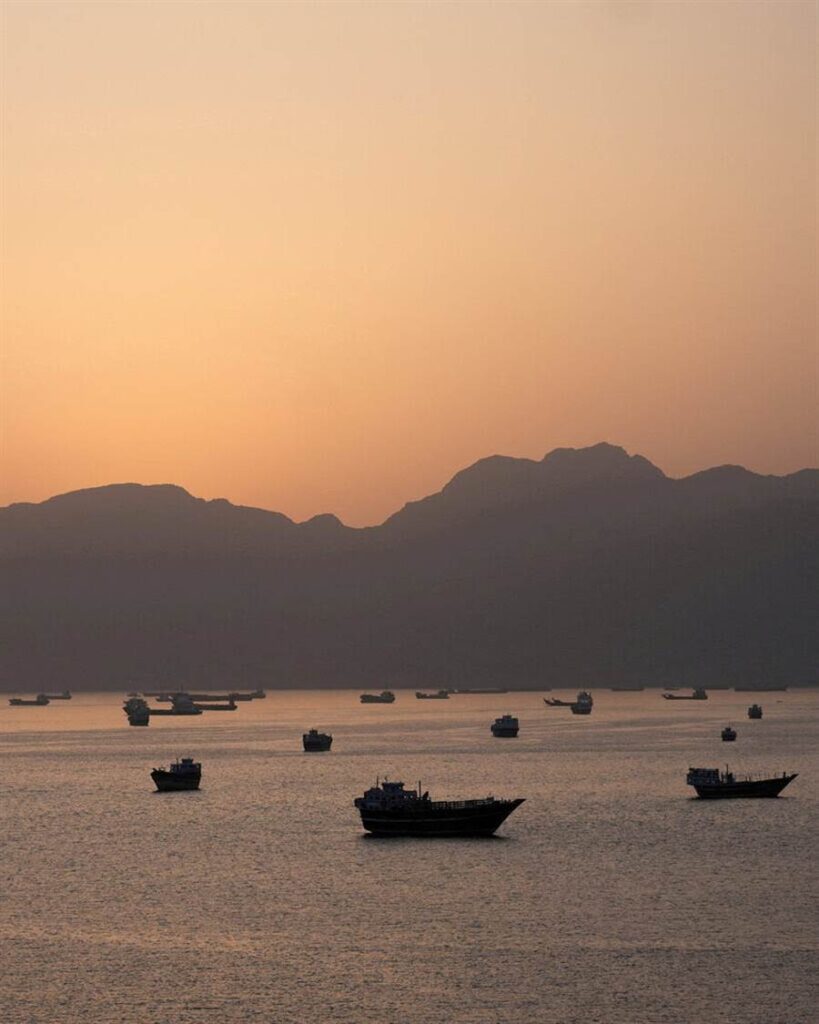
It started with his late March demand that the country “FULLY OPEN” the Strait of Hormuz — its closure has sent global energy and fertilizer prices spiking — or face the destruction of its power plants.
When that didn’t work, he escalated, threatening to wipe out “a whole civilization” should Iran not comply.
When that didn’t work, he bet on a blockade of Iranian shipping, which he hoped could cause enough pain for the regime that it might finally relinquish its hold on the waterway.
And as that hasn’t borne fruit, this week, in a new effort to break Iran’s control over the strait, Trump announced a plan, with few details, to help guide stranded ships out of the passage.
Iran responded with some missiles and drones. Trump paused the plan after one day.
Trump’s conviction that more economic or even military pressure will bring about Iran’s capitulation is deeply flawed, officials and analysts say. They say it is a misreading of the Islamic republic’s strategy, psychology and capability for adaptation.
The Iranian government believes that it has the upper hand for now. It thinks it can withstand the new economic pressure, as it has in the past. And — crucially — it thinks it can do so longer than Trump can tolerate rising global and American gasoline, energy and fertilizer prices.
The war has become a test of wills between Iran and the U.S. But for Iran, the stakes are higher — which, in a standoff, gives it an advantage.
A test of wills
By putting a blockade in place, Trump is effectively betting that Iran’s capacity to store the oil it’s pumping, but cannot export, will soon run out.
“If they don’t get their oil moving, their whole oil infrastructure is going to explode,” Trump said late last month, adding: “They say they only have about three days left before that happens.”
But that assertion — already proven wrong — might be relying on a miscalculation.
Oil experts believe that Iran has at least several weeks before it must stop pumping, which can cause significant damage to its infrastructure. But Iran, which was exporting some 1.81 million barrels of oil a day in April, can reduce its production while continuing to store oil in empty or older tankers, which can hold an estimated 2 million barrels each, shipping some of it by road and rail to Pakistan. During Trump’s first term, Iran ramped production down to about 200,000 barrels a day without significant damage to its oil infrastructure.
“Iran is not particularly close to even starting” to shut down its wells, said Brett Erickson of Obsidian Risk Advisors. Sanctions and the blockade will move the needle, but “there is no feasible scenario by which they will produce the necessary result in a feasible timeline” for Trump. Even if the war ends today, Erickson said, “it will be multiple months before things return to normal.”
 |
| President Trump’s tactics on Iran have yet to produce results. Tom Brenner for The New York Times |
One little turn of the screw away?
Experts are dubious that time will work in Trump’s favor.
“We can certainly do more damage to the Iranian economy, but they have withstood more pressure than any other economy in history, and that hasn’t produced the collapse of the regime or more reasonable positions,” said Suzanne Maloney, an Iran specialist and the director of the foreign policy program at the Brookings Institution.
“I think President Trump doesn’t really understand what drives the Iranians,” Sanam Vakil, director of the Middle East and North Africa program at Chatham House, told me. “They don’t make decisions based on their G.D.P., because if so, they would have done a deal years ago.”
If anything, Iran’s positions have hardened over the course of the war. But Trump’s tactics have not changed. “At every point when pressure has not delivered the intended result, he’s sought a new tool of coercion which he believed would magically conjure victory,” said Ali Vaez, Iran project director for the International Crisis Group. “He always believes he’s one little turn of the screw away.”
It’s not that the U.S. strategies aren’t inflicting pain. They are. But Iran is such an authoritarian state that the kind of political drivers that might push compromise don’t exist, Maloney said.
Trump, on the other hand, is facing midterm elections in the fall. And there is only so much pain voters will take.
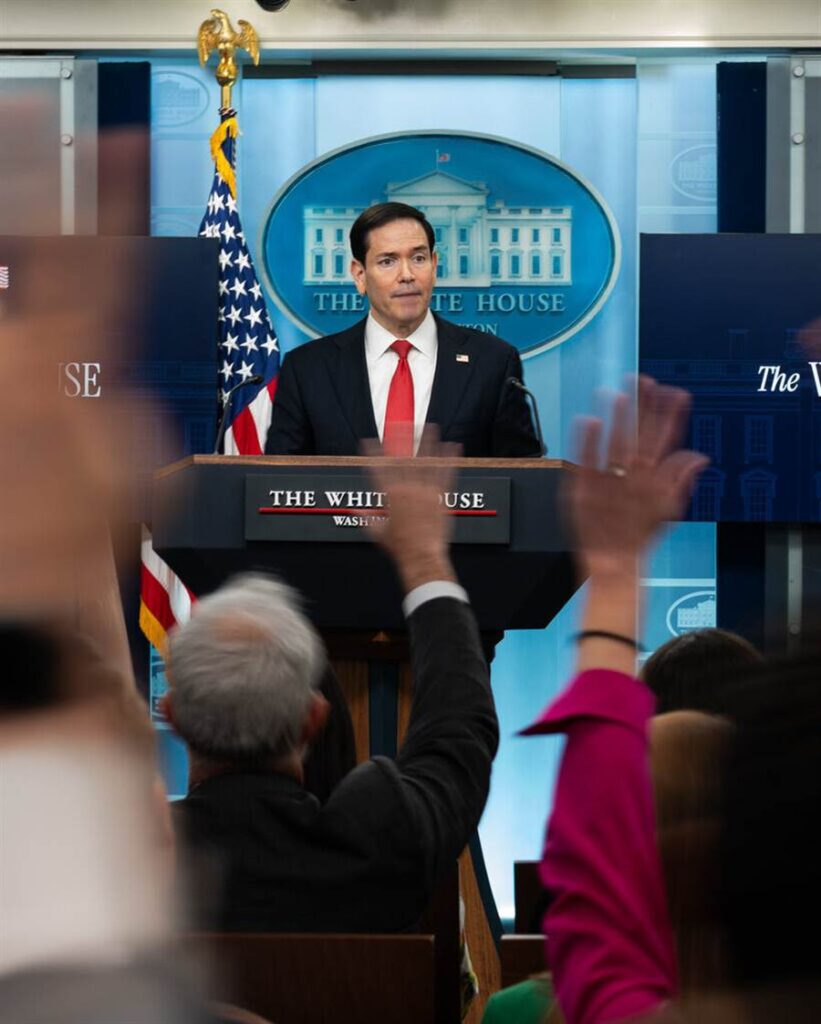
The White House insists the war is over
Trump, in a sudden reversal, announced yesterday that the U.S. was pausing the day-old U.S. operation to escort commercial ships through the Strait of Hormuz “for a short period of time.” He said this was because of “great progress” toward an agreement with Iran and added that the U.S. blockade would remain in effect.
The move came hours after the U.S. secretary of state Marco Rubio asserted that the U.S. had concluded combat operations against Iran and was fully focused on the new mission. Only three commercial ships managed to make it through the strait since the start of the operation dubbed Project Freedom.
The White House insists that the war is over, the latest rhetorical leap in its effort to put the politically damaging war in the rearview. But the mere proclamation does not make it true, my colleague David Sanger writes.
| MORE TOP NEWS |
| A cruise ship struck by a deadly outbreak of the hantavirus is expected to sail to the Canary Islands. The W.H.O. said human-to-human transmission might have played a role in the spread.An explosion in a fireworks factory in China killed at least 26 people.After President Nicolás Maduro was overthrown, U.S. and Venezuelan officials promised greater transparency in Venezuela’s lucrative oil industry. It’s still a black hole.China is known for its dominance in solar panels. Its big bet on wind turbines has also paid off. |
| President Javier Milei’s deregulatory frenzy in Argentina has made him an icon of the global right. At home, he has a year until the next presidential election to prove himself. |
| Lee Chun Ho lost four members of his household in a deadly fire last year at a Hong Kong apartment complex. Now, he’s telling an investigative committee what contractors ignored.Prime Minister Sanae Takaichi is pitching Japan as force for stability and strength to an Asia rattled by China’s aggressive posturing and America’s unpredictability.At a closed marine park in France, two orcas swim lonely circles in an aging tank that may soon fail. No one is sure what to do with them. |
TOP OF THE WORLD
The most clicked link in your newsletter yesterday was our roundup of the 15 most stylish looks from the Met Gala.
| SPORTS |
Tennis: Aryna Sabalenka and Coco Gauff said that stars would eventually boycott Grand Slams over prize money disputes.
World Cup: New Jersey is one of the most in-demand regions for training bases during the tournament. Morocco, Haiti, Brazil and Senegal will set up there.
| VISITOR OF THE DAY |
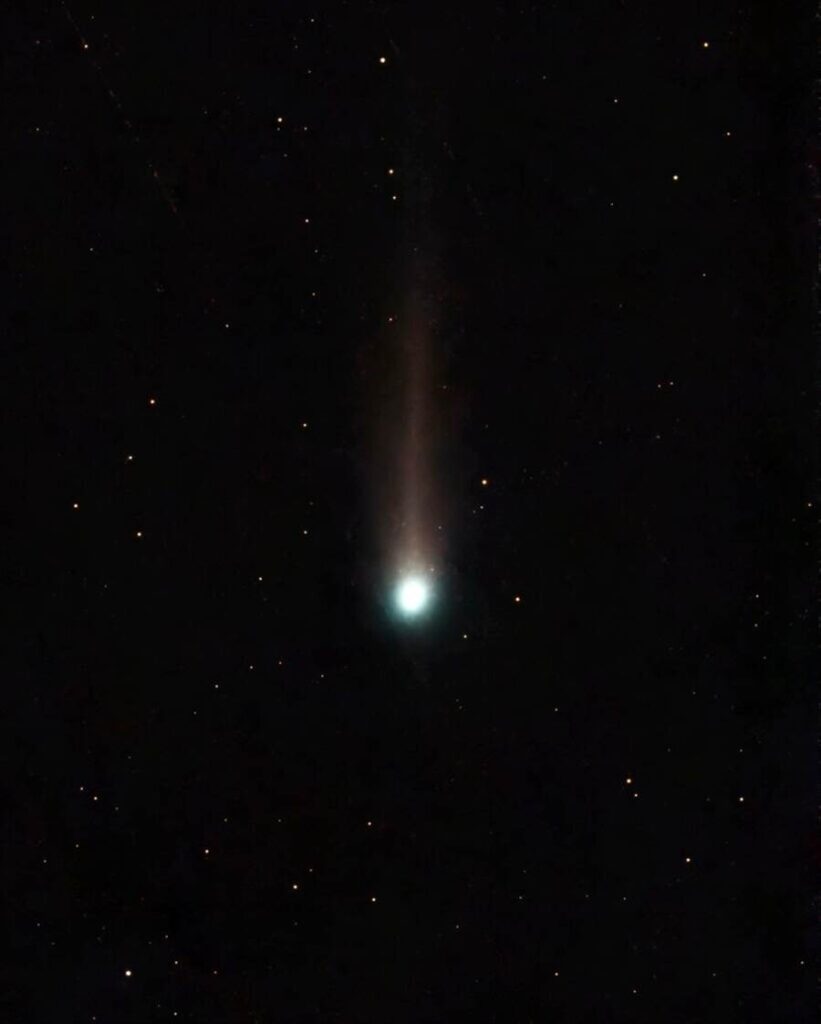
C/2025 R3 PANSTARRS
Over the next two weeks, a glowing blue-green comet, believed to have originated at the edge of the solar system in an icy region called the Oort cloud, will swing over New Zealand, Australia and South Africa. The comet is a slow one and may not return for another 170,000 years. So stargazers should check it out now.
| MORNING READ |
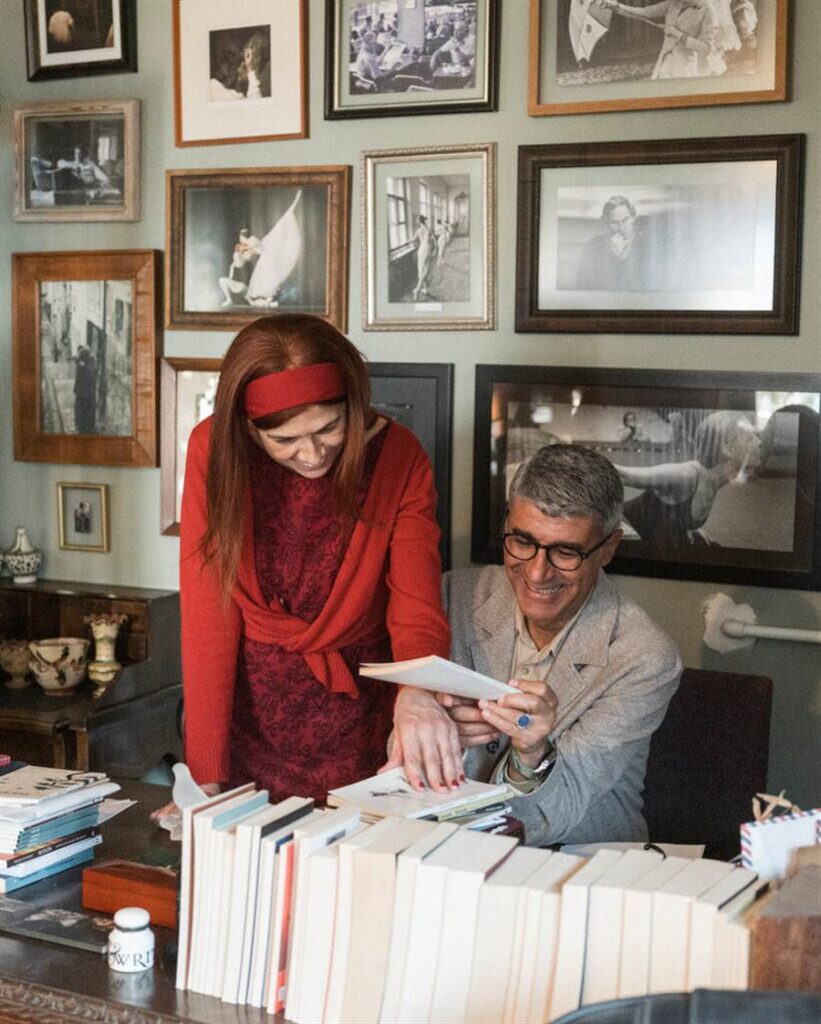
Ilhan Sami Çomak was serving a life sentence in a Turkish maximum security prison when he met Ipek Ozel, the woman who would become his life partner.
In the mid-1990s, Çomak was accused of belonging to a Kurdish separatist group and arrested, a charge he still denies. He spent the next 30 years in jail. There, he read widely and discovered his own voice, writing tender poems to stave off despair. His works inspired Ozel, a volunteer at the prison, to become his literary champion. But through letters, their connection grew into something deeper. Read more about their unlikely love story.
| AROUND THE WORLD |

No camera, no actors: A.I. is upending film in China
Until recently, making hit microdramas — soapy, short-form, made-for-mobile shows that have become wildly popular in China — meant hiring actors, renting sets and spending weeks filming and editing. Now, thanks to artificial intelligence, some Chinese companies are churning them out for $30 a minute with no cameras, no crews and no human performers.
The surge in A.I.-generated dramas has prompted an outcry in China. Actors say work has dried up, and both celebrities and ordinary people have threatened legal action after discovering their likenesses in the A.I. shows.
My colleagues spoke to people in China’s entertainment industry. Read how A.I. has changed their lives.
| RECOMMENDATIONS |
Watch: “Lord of the Flies,” a new TV series based on William Golding’s classic novel, explores how boys are susceptible to the influence of others.
Reconsider: A cavity doesn’t always need a filling. You might have options.
Guess: Can you match up these novels with the writers who died before finishing them?
| RECIPE |

Horchata is a Latin American beverage made by soaking nuts and grains in water and then seasoning the mixture with sugar and spices. This Mexican recipe is made with rice, cinnamon and almonds. Want a caffeine kick? Try the dirty version.
