
October 23, 2026  | By Katrin Bennhold |
Good morning, world. Last week, we learned that Pope Leo XIV was diagnosed with lung cancer. This week, we learned that surgery removed the cancer entirely and he wouldn’t need further treatment.
Not so long ago, a lung cancer diagnosis would have been an automatic death sentence. It’s still deadly. But screening and a revolution in cancer treatments have radically reduced death rates. That’s good news, since rising life expectancies mean that many of us will get some type of cancer at some point in our lives. Worldwide, about one in five people will get cancer. In some rich countries, it is more like one in two.
I had a fascinating conversation with my colleague Nina Agrawal, a health reporter who has been following these breakthroughs closely. We covered a lot of ground, including the tantalizing prospect of a cancer vaccine.
Also:
| France bans some weekend protests A top issue for American voters in the midterms 50 words about endless possibilities |
 |
| Kristian Thacker for The New York Times |
Humans vs. cancer
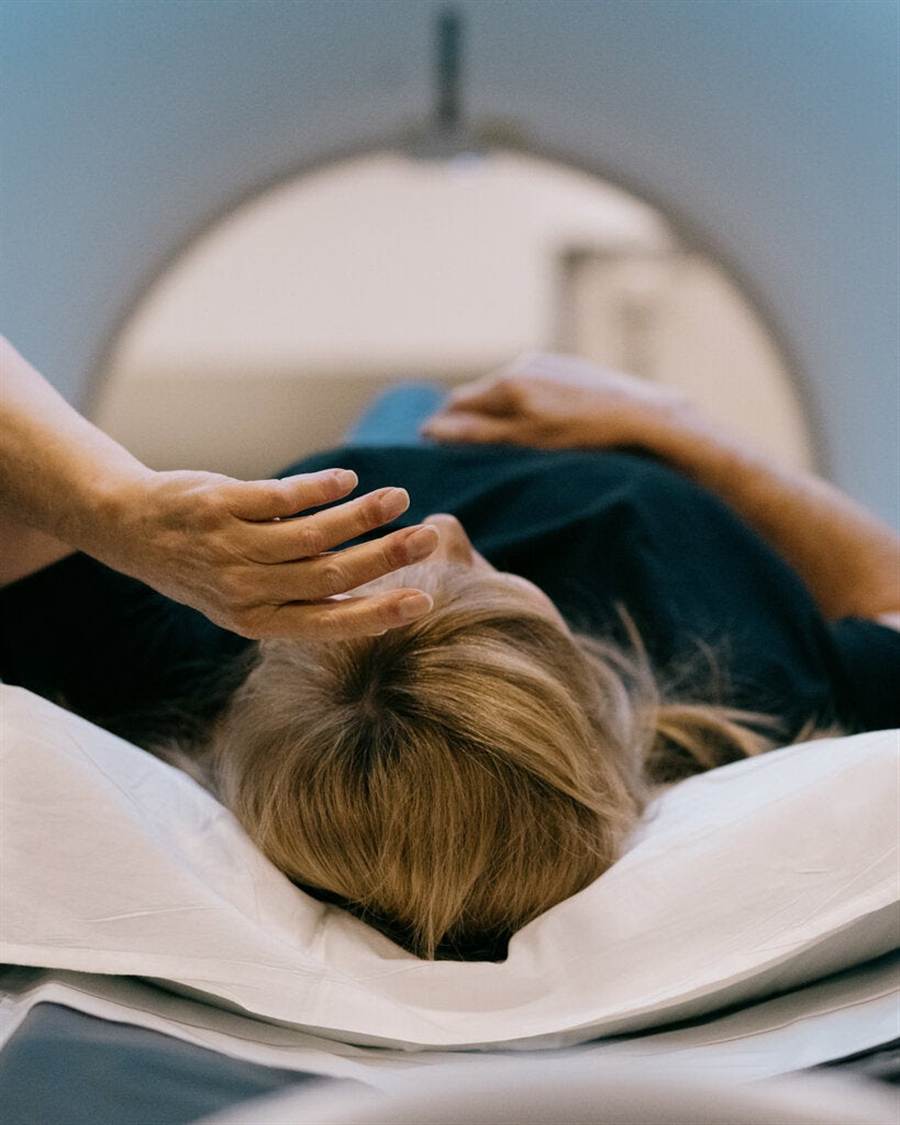
Nina, the pope is recovering from lung cancer surgery. Lung cancer is particularly scary. But it’s a very different diagnosis than it would have been in the past.
Absolutely. There’s been a lot of progress. The mortality rate for lung cancer has fallen and the five-year survival rate — the portion of people who are still alive five years after being diagnosed — has doubled in the United States, from about 15 percent in the late 1990s to around 30 percent now. It’s still not great compared with other types of cancer; lung cancer remains the leading cause of cancer death.
Wow. So what has changed in cancer treatment?
Advances vary by cancer. In lung cancer, for example, a big one is targeted therapy. Many patients have a specific mutation — often in a gene called EGFR — and drugs that target that mutation have improved steadily over the last 20 years. That’s been a real game changer. Targeted therapy, as the name implies, acts specifically on cancer cells and mostly leaves healthy cells alone, whereas traditional chemotherapy is toxic to most cells, including healthy ones.
Breast cancer is another beneficiary of targeted therapy. This is the most common cancer among women; about one in eight American women get it. But survival rates are now much higher. That’s because screening has gotten better, as have treatments: In addition to targeted therapies, there are also new immunotherapies that activate the patient’s immune system to attack the cancer. Those didn’t exist 15 years ago.
Why are we seeing all these breakthroughs now?
Two big things have happened. One is genetic sequencing. Doctors can sequence an individual tumor, find its mutations and then tailor a treatment that specifically targets those mutations. For certain cancers, like some types of breast cancer, it can also tell you whether a patient is likely to benefit from chemotherapy, which can spare a lot of people that toxicity.
The other thing that’s really helped is understanding how the immune system can be harnessed to fight cancer. Researchers have figured out how to better use our own immune system to attack cancer cells. They’ve developed drugs that essentially take the brakes off certain cells in the immune system. Advanced melanoma, for example, used to be almost universally deadly. It’s been totally transformed since this class of immunotherapies was first approved in 2011.
 |
| Pope Leo at the Vatican yesterday. Andreas Solaro/Agence France-Presse — Getty Images |
And how widely are these new treatments available?
In the U.S., where a lot of this research happens, the treatments that are approved are generally covered to some degree by insurance. But even insured patients can still face bills that bankrupt them. Then you have the more experimental treatments that are not yet approved and harder to come by.
A new pancreatic cancer drug, for example, which targets a mutation common in many cancers, is now covered in the U.S., though the supply chain is still working itself out. The next generation is available only through clinical trials.
What about elsewhere in the world?
Globally, it varies. Targeted lung cancer therapies are more accessible in high-income Asian countries like Taiwan, but poorer countries bear a higher burden of cancer deaths, partly because of scarce access. The drug companies themselves decide which countries to seek drug approval from, and they often don’t apply in countries where they think they won’t make a lot of money.
You’ve written about some of the unexpected repercussions of people being diagnosed with cancer now living much longer. It’s been mostly good, but also sometimes complicated.
The patients I’ve spoken with are all grateful for the time. Stage 4 breast or lung cancer used to mean a maximum of a few years. Now some people live 10 or 12 years with that diagnosis. But that also makes it very hard to plan.
One woman I talked to was diagnosed with stage 4 lung cancer about six years ago. In her first year, she lived in 12-week increments, until her next scan. It’s very hard to plan your life three months or even six months at a time. Do you spend money or save it? Quit your job and travel?
Nina, will there ever be a cure for cancer?
We are still a long way from that. But researchers do talk about a cure now in a way they didn’t used to — and some cancers are becoming more like chronic diseases. But many advanced cancers still have limited treatments.
One exciting thing many are watching now is personalized cancer vaccines that can help prevent recurrence. We can already vaccinate against infections that cause cancer, like HPV. But now we’ve had the first big trial for a vaccine to prevent cancer recurring in patients with melanoma who had their tumors surgically removed. The full results were announced yesterday. The vaccine trains the immune system to recognize the cancer cell and then attack it. The hope, of course, is that these vaccines can be generalized to other cancers. But we’re not there yet.
| MORE TOP NEWS |
 |
| In Paris on Wednesday. Abdul Saboor/Reuters |
| France banned some protests in an attempt to avoid a repeat of the riots that rocked the country last weekend. Officials are pressing resale platforms like eBay to remove listings for looted items. Art Basel Paris will be cut short.A week of strikes by truckers in Italy is causing food and fuel shortages. Severe heat killed more than 50,000 people in European cities and towns this summer, according to new estimates from scientists. A Houthi strike on a major airport in Saudi Arabia near the center of the country’s oil industry killed at least two people. Oil prices jumped after the news, along with attacks on several commercial ships in the Gulf. Researchers used A.I. to find a major online security flaw, forcing governments and companies to shut down many websites for repair. Protesters in Indonesia demanded action to stop rainforest fires causing a haze that is making people sick. The Ebola epidemic that began in the Democratic Republic of Congo has reached Nigeria and Kenya — the widest footprint of any Ebola outbreak to date. The economy is a top concern for American voters in the midterm elections. Our chief economic correspondent, Ben Casselman, explains in the video below how that could translate into losses for President Trump’s Republican Party. |
 |
| Click to watch. The New York Times |
WHAT ELSE IS HAPPENING
| A southern cassowary at an Australian zoo laid fluorescent green eggs there for the first time in 34 years. |
TOP OF THE WORLD
The most clicked link in your newsletter yesterday was about dark nutrition.
| POEM OF THE DAY |
 |
| Isabella Cotier |
“I dwell in possibility”
Take a minute to read this short poem by Emily Dickinson. In just 50 words and three stanzas, she works her way through a single, elaborate metaphor about what is and what might be.
| MORNING READ |
 |
| Ann Wang/Reuters |
The mayor of Taipei, Chiang Wan-an, has declared a “typhoon day off” as Taiwan braces for Typhoon Champi. The decision did not come as a surprise: In Taiwan, typhoons can affect a politician’s re-election chances.
Chiang faces a vote next month, and typhoon days off are popular. If the storm turns out to be weaker, many will go shopping, to the movies or to sing karaoke. Read more about Taipei’s typhoon days.
| WHAT IN THE WORLD?! |
 |
| Frazer Harrison/Getty Images for Victoria’s Secret |
Postpartum modeling: Barbara Palvin walked the Victoria’s Secret runway six weeks after giving birth, igniting a debate about maternity leave in America.
The war on rats: New York City is using a new gas-powered killing machine in its eternal battle against rodents.
Abracadabra: Harry Houdini, who died 100 years ago next week, is thought to have succumbed to appendicitis. But an alternative theory involves chop suey.
We’ve made this link free for you.
| RECIPE |
 |
| Johnny Miller for The New York Times |
Kalakand is a chewy, milky dessert made by cooking milk and sugar until the milk almost solidifies. This version uses a shortcut to make the no-bake dessert, or mithai, found in South Asian sweet shops.
