
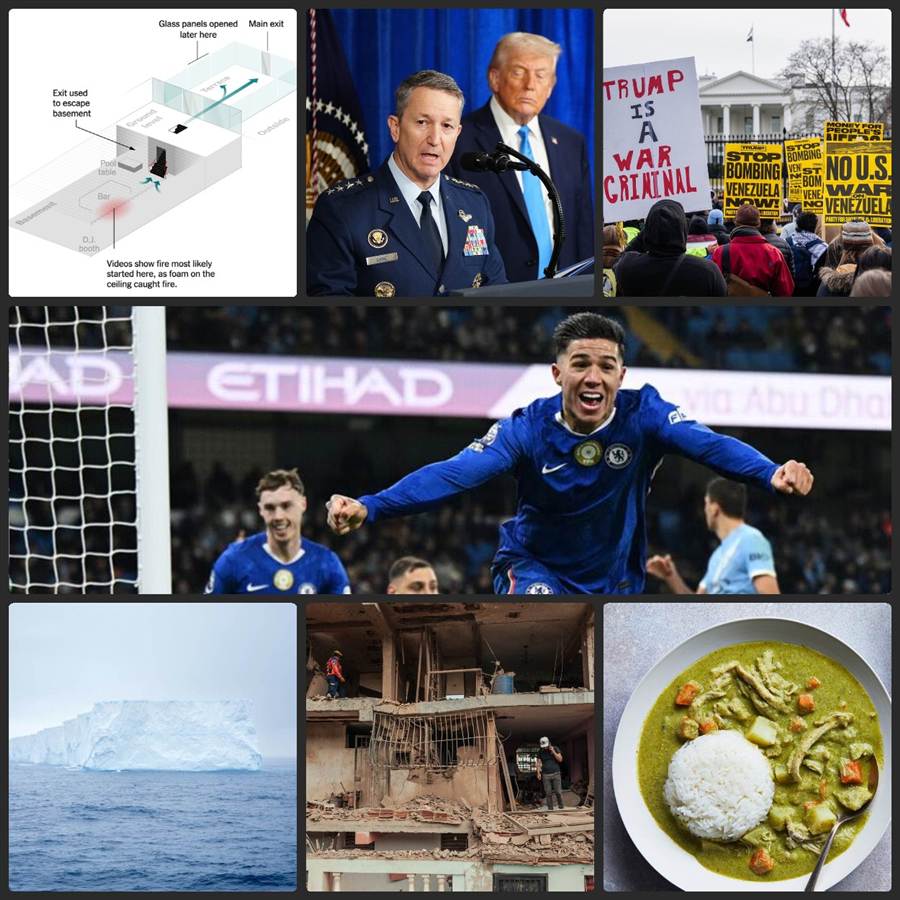
If anyone expected 2026 to be less eventful than 2025, the first weekend of the year has swiftly proved them wrong. Under President Trump’s orders, American troops attacked Venezuela and seized the president and his wife. The administration then suggested that the United States would call the shots in Venezuela — and gain access to its vast oil reserves, the biggest in the world.
At this stage, there are more questions than answers. But one thing seems clear: Gunboat diplomacy is back, with cascading implications not just for the Americas but for the world.
Also:
| More Swiss fire victims identified A healthier brain in 2026 |
Trump’s gunboat diplomacy
It wasn’t a surprise, exactly.
Trump had been telegraphing for months that he was planning to take action against Venezuela. The administration called President Nicolás Maduro a narco-terrorist and carried out dozens of lethal strikes on small boats near the Venezuelan coast. More recently, it began seizing tankers carrying Venezuelan oil.
But the form that action took — special forces seizing Maduro and his wife from a military compound in a nighttime operation, and taking them to New York, where Maduro now sits in a Brooklyn jail — was still brazen enough to be shocking.
The U.S. is keeping a military presence in the Caribbean to impose its policy agenda on Venezuela, while the Maduros face narco-terrorism and drug trafficking charges. Trump acknowledged the potential for entanglement: “We’re not afraid of boots on the ground.” And he was remarkably open about his intention to have U.S. companies tap into Venezuela’s lucrative oil reserves.
If you think all this has echoes of the Iraq War that overthrew Saddam Hussein, you’re not alone. One big difference is that this is the Western Hemisphere, which Trump officials have claimed as America’s rightful sphere of influence.
My colleague Anatoly Kurmanaev is on the ground in Venezuela. He told me that the operation in the early hours on Saturday was also a show of strength to other countries in the region. “The message is: The U.S. can and will enforce its will.”
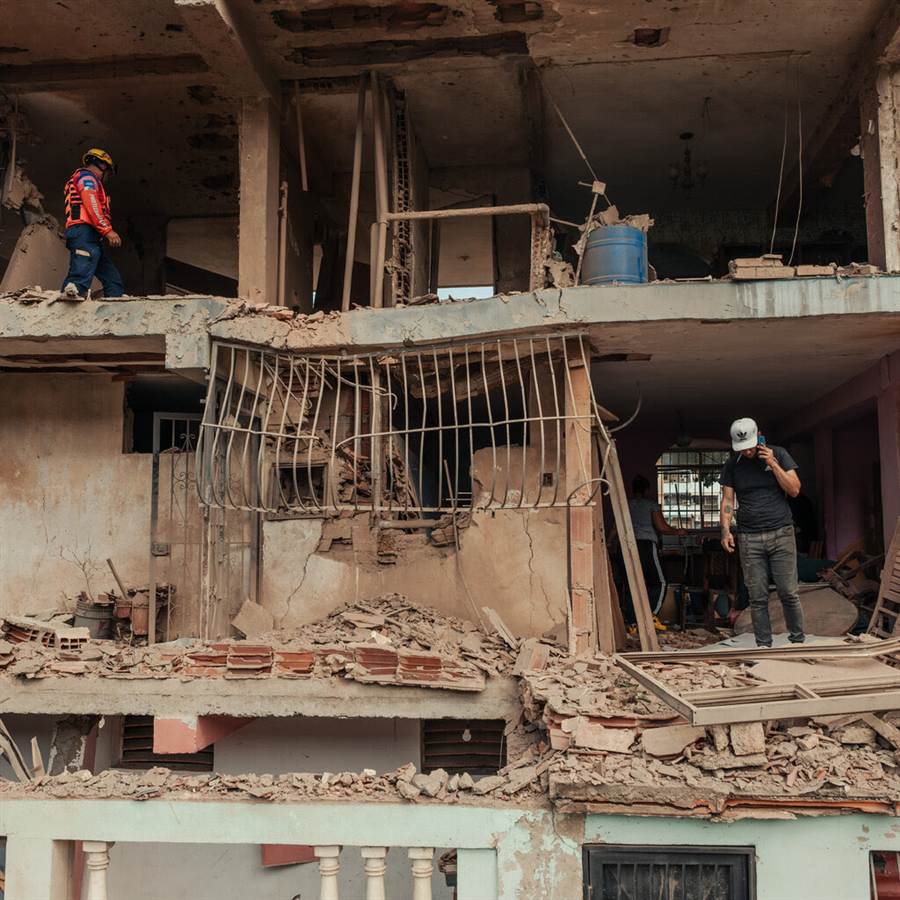
Was it legal? How long will the U.S. remain involved in Venezuela? How exactly did troops manage to capture Maduro? How are Venezuelans and other countries thinking about Maduro’s seizure? We have some answers below. To follow the latest news, here are our live updates.
Operation Absolute Resolve
The plan to capture Maduro was four months in the making. C.I.A. operatives slipped into the country in August. With the help of stealth drones and an informant in Maduro’s government, they studied his every movement. The chairman of the Joint Chiefs of Staff said the U.S. knew where Maduro slept, what he ate and even what pets he kept.
In Kentucky, the military built a full-scale model of a compound Maduro stayed in — among the six to eight locations he used to hide. Elite Army Delta Force commandos then rehearsed the strike, blowing through steel doors at an ever-faster pace. When the weather was clear, and Maduro opted to stay at the compound that they had trained to attack, the commandos struck.
After a cyberattack cut power to large parts of Caracas, 150 American planes, drones and helicopters could approach undetected. They bombed radar and air-defense sites and dropped off the commandos at Venezuela’s most fortified military base. The Delta Force commandos blew open a door and found Maduro three minutes later.
It took little more than two hours; Trump followed along remotely. “I watched it, literally, like I was watching a television show,” he told Fox News. Afterward, he posted an image appearing to show Maduro blindfolded and handcuffed.
What’s next for Venezuela?
On Saturday, Trump asserted that the U.S. would “run” Venezuela. On Sunday morning, administration officials said the president had not meant literally running the country — but rather that the U.S. would coerce cooperation from the new leadership in Caracas.
Then, on Sunday night, Trump again asserted that the U.S. was “in charge” of Venezuela.
Here’s what we do know:
It’s not an occupation. Pentagon officials said yesterday that there were no U.S. military personnel in the country. (Though U.S. troops will remain in the Caribbean Sea to exert “leverage” on the new leadership, Secretary of State Marco Rubio said.)
It’s also not regime change. Venezuela’s opposition leader, María Corina Machado, who won the Nobel Peace Prize last year and dedicated it to Trump, has been sidelined: Trump said Machado lacked the “respect” needed to govern.
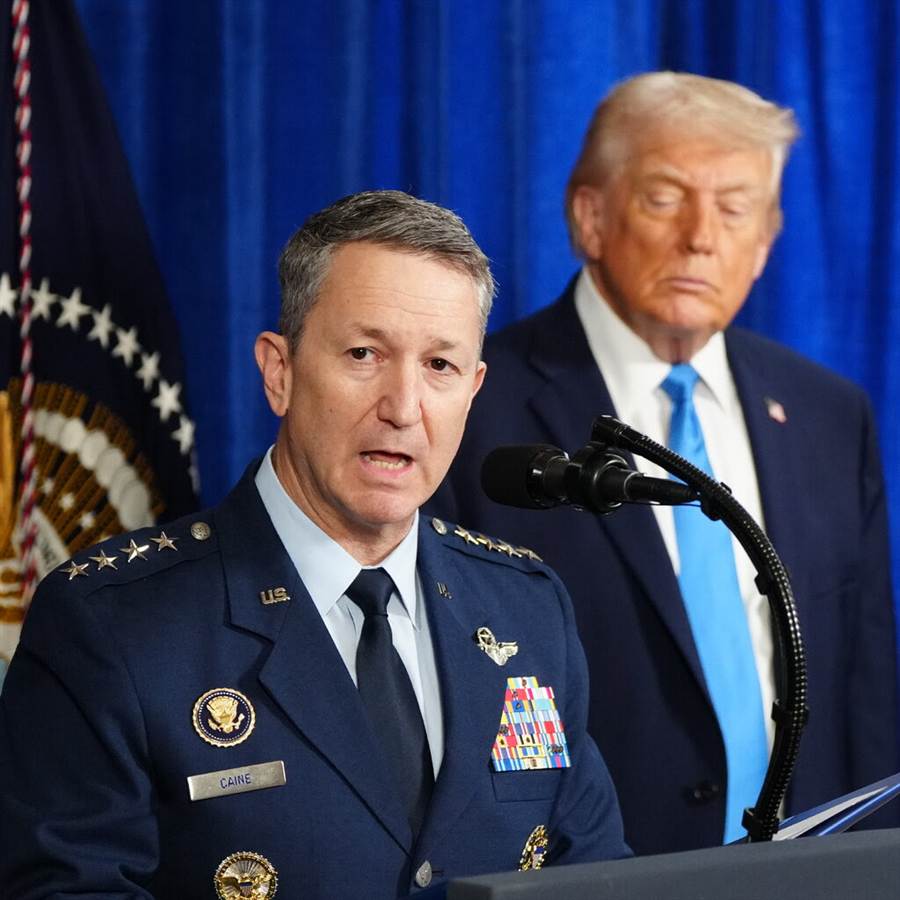
| General Dan Caine, chairman of the Joint Chiefs of Staff, spoke about the operation in Venezuela on Saturday. Tierney L. Cross/The New York Times |
Instead, the U.S. has accepted having Maduro’s vice president, Delcy Rodríguez, as interim leader. Trump said she would hold power as long as she “does what we want.”
As my colleagues write, the administration has “vaguely sketched out an arrangement similar to a guardianship: The U.S. will provide a vision for how Venezuela should be run and will expect the interim government to carry that out in a transition period, under the threat of further military intervention.”
Will Rodríguez cooperate? In the aftermath of Maduro’s seizure, she called the U.S. an illegal invader and said Maduro was the “only president.” But as Anatoly told me, “for all the public statements, she will work with Trump.”
On Sunday night, Ms. Rodríguez appeared to soften her tone toward the United States, saying in a statement: “We extend an invitation to the U.S. government to work together on a cooperative agenda, oriented toward shared development, within the framework of international law, and to strengthen lasting community coexistence.”
Drugs, democracy — or oil?
U.S. officials have put forward several different explanations for the military buildup around Venezuela in recent months. Some have cited drugs; others Maduro’s illegitimate election. But this weekend, Trump said that a key goal of the operation was to regain U.S. oil rights that he said Venezuela had “stolen” when it nationalized the industry.
Trump said U.S. oil companies would “go in, spend billions of dollars, fix the badly broken infrastructure, the oil infrastructure, and start making money” — both for Venezuelans and for themselves.
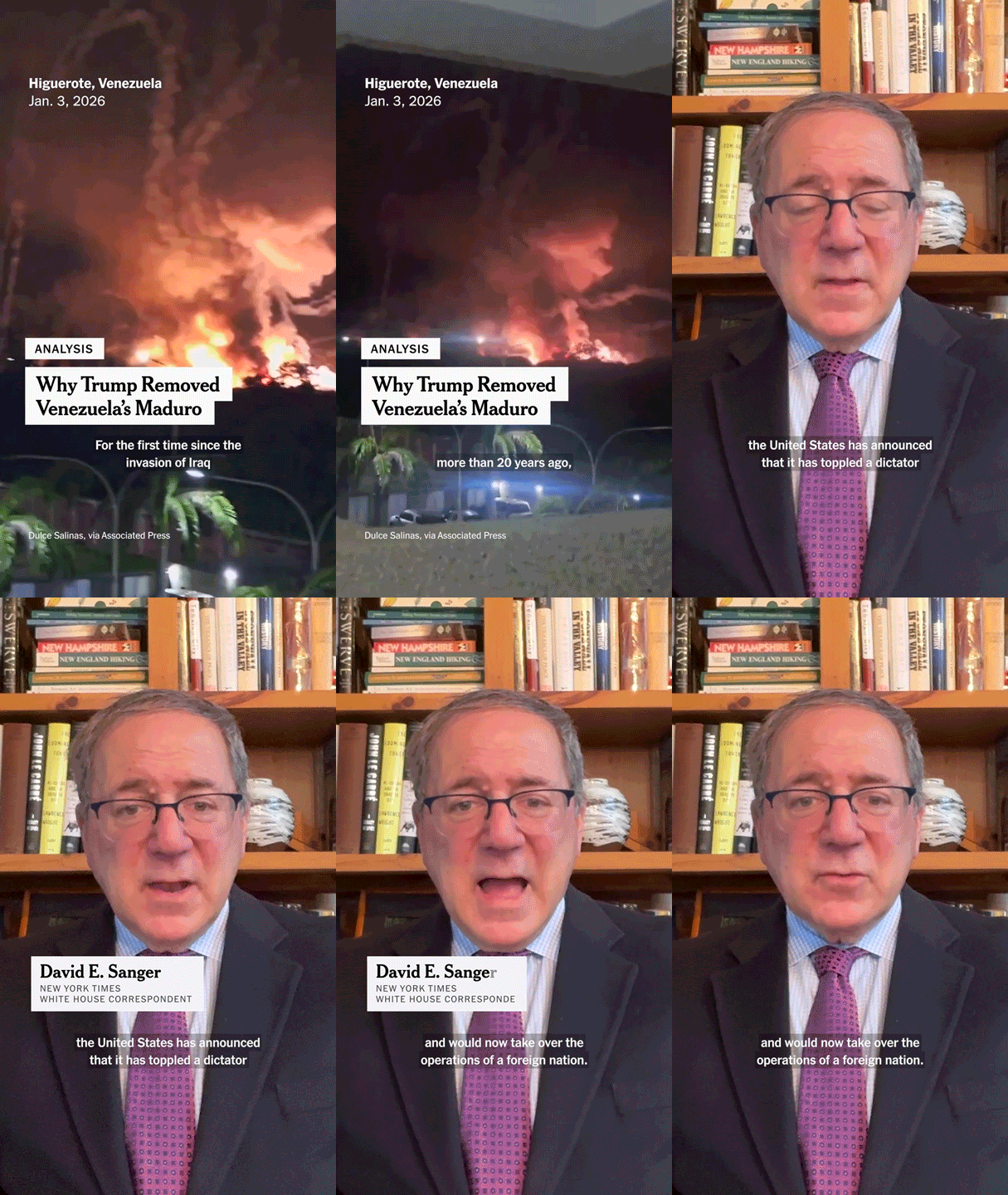
My colleague David Sanger has described this as a“naked grab” for oil. Watch him explain the implications of Trump’s move on Venezuela in the video above.
Is all this legal? It certainly seems to violate the U.N. Charter. That states that a nation may not use force on the sovereign territory of another country without its consent, a self-defense rationale or the authorization of the U.N. Security Council, as my colleague Charlie Savage writes.
The Trump administration says this was a law-enforcement action, rather than a military invasion. Maduro has been indicted in the U.S. on drug and corruption charges and is expected to appear in court today.
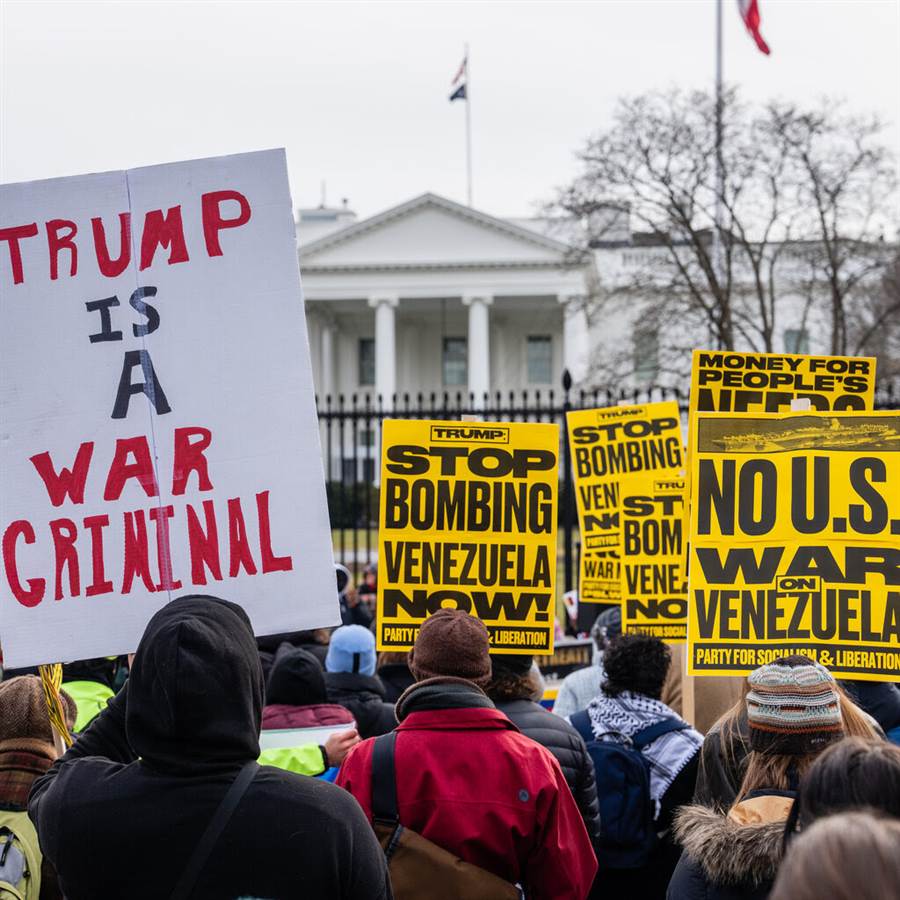
A wide spectrum of reactions
Left-leaning governments in Latin America, like Brazil and Mexico, denounced the operation as illegal. So did China (which has been importing oil from Venezuela) and Russia (its own illegal invasion of Ukraine notwithstanding).
The U.N. secretary general said the attack set a “dangerous precedent.” The Security Council plans to meet today.
European leaders were more cautious. Chancellor Friedrich Merz of Germany said that Maduro had “led his country into ruin” and that the U.S. intervention required “careful consideration.” President Emmanuel Macron of France said the Venezuelan people could “only rejoice” at the ousting of Maduro.
Venezuela’s state-run TV broadcast protests and rallies staged by Maduro’s supporters over the weekend. But my colleagues on the ground reported that many Venezuelans told them they wanted change. A majority had voted against Maduro in the last two presidential elections.
| MORE TOP NEWS |
 |
| Note: Diagram is not to scale and shows approximate positions of important features of the bar based on interviews, as well as on photos and videos of the interior. By The New York Times |
More victims of the Swiss New Year’s Eve fire were identified
The two managers of a bar in the Swiss Alps where at least 40 people died in a New Year’s Day fire are under criminal investigation over suspicion of negligence.
The authorities said they believed that the fire at the bar in Crans-Montana was probably caused by small fireworks placed on bottles that sent up fountains of sparks, igniting foam insulation that covered parts of the ceiling of the bar’s basement. More victims of the fire were identified yesterday as residents of the town grieved.
| OTHER NEWS |
| Iranian officials said that leaders were in survival mode amid ongoing anti-government protests and threats from the U.S. and Israel.Government-allied forces in Yemen, backed by Saudi Arabia, recaptured an oil-rich region of the country from armed separatists supported by the United Arab Emirates.Ukraine’s president, Volodymyr Zelensky, is reshuffling his cabinet amid a corruption scandal and negotiations over a peace plan. |
| SPORTS |
 |
| Enzo Fernandez scored a 94th-minute equalizer for Chelsea. Shaun Botterill/Getty Images |
Football: Chelsea equalized in stoppage time to finish 1-1 against Manchester City.
Skiing: Camille Rast of Switzerland ended Mikaela Shiffrin’s World Cup winning streak.
| IMAGE OF THE DAY |
 |
| Chang W. Lee/The New York Times |
— Chang W. Lee, a New York Times photographer, captured this picture of the first iceberg spotted on his voyage to Antarctica. “It filled half the horizon, gorgeous and blue and impossibly huge,” wrote Raymond Zhong, a climate reporter who is traveling with Lee.
| AROUND THE WORLD |
 |
| Kalpesh Lathigra for The New York Times |
A marmalade-loving star in London
Paddington Bear, known for devouring marmalade sandwiches, has been beloved in Britain since the 1950s. He’s now the title character of a hit musical at the Savoy Theater in London.
Luke Sheppard, the director of “Paddington: The Musical,” said the character’s popularity made staging the musical feel like “a huge responsibility.” So how do you bring a fictional bear to life, and make it believable? You need an actor in a bear suit, and someone else controlling facial movements remotely. Read more.
| THE WELL CHALLENGE |
Want a healthier brain in 2026?
How you treat your brain is essential to your health, longevity and happiness. Throughout your life, your brain never stops changing but optimizing its health is relatively straightforward. You can do it by adopting a few good habits.
Starting today, our reporters will lead you through five days of activities designed to benefit your brain. They’ll explain the science behind why they work. Sign up for the five-day Well challenge on brain health.
| RECOMMENDATIONS |
Travel: Norway’s Troll Trail includes stunning vistas, mountain hotels and waffles.
Read: Lola Lafon’s “When You Listen to This Song” details her night in Anne Frank’s house.
Watch: Season 2 of “The Night Manager” is continuing the John le Carré lineage.
| RECIPE |
 |
| Armando Rafael for The New York Times |
Jocón is a fresh chicken and tomatillo stew that is popular throughout Guatemala. Its name comes from jok’, meaning to grind or mash in Mayan K’iche’. The stew originates from Maya culture, but some of its ingredients, like sesame seeds and chicken, were most likely introduced by Spanish colonizers.
