
| February 20, 2026 | By Katrin Bennhold |
Good morning, world! My colleague Raymond Zhong has been around. He’s covered India from Delhi. He wrote about atolls from the Maldives. He was a Beijing correspondent until China kicked him and other American journalists out. Now, he lives in London but he’s barely there. He covers the Earth and humanity’s relationship with it.
His most recent assignment was on an icebreaker in Antarctica, where scientists have been studying one of the most important and fastest-melting glaciers in the world: the Thwaites. I hope you’ll find Ray’s reflections below as beautiful and humbling as I do. It made me feel small, but also in awe of our planet — and the human endeavor to understand it.
Also:
| The arrest of former Prince Andrew The “Board of Peace” launch The “nastiest rivalry” at the Olympics |
Antarctica rocks your world
By Raymond Zhong
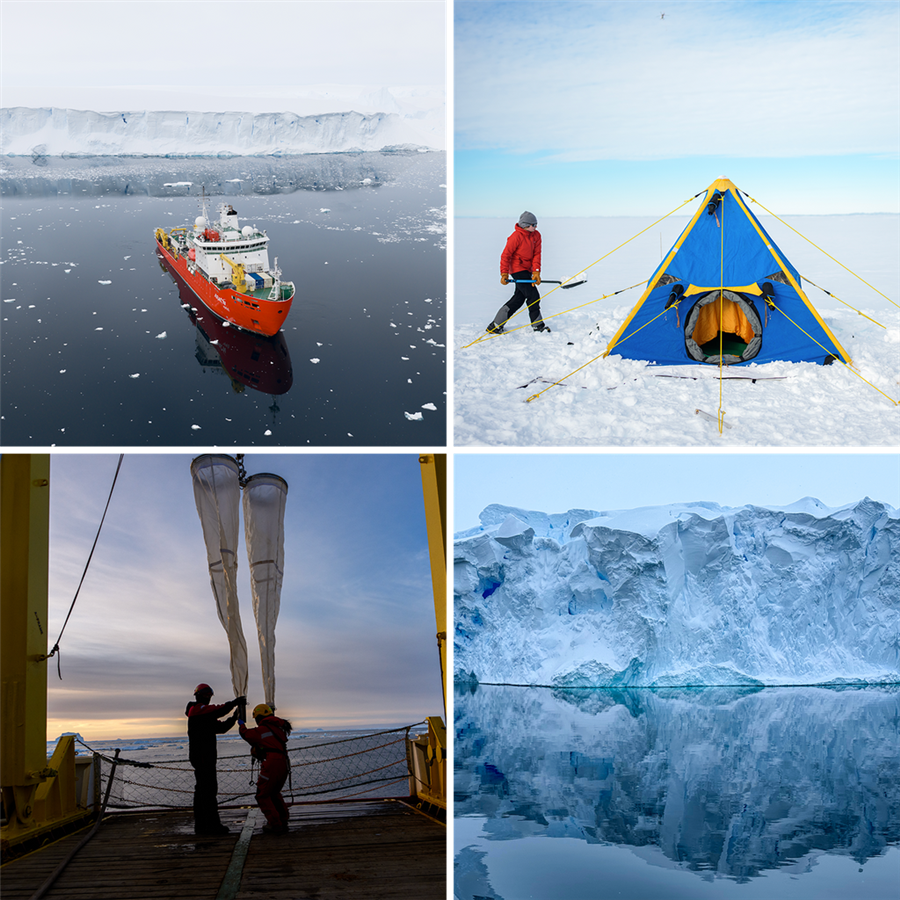
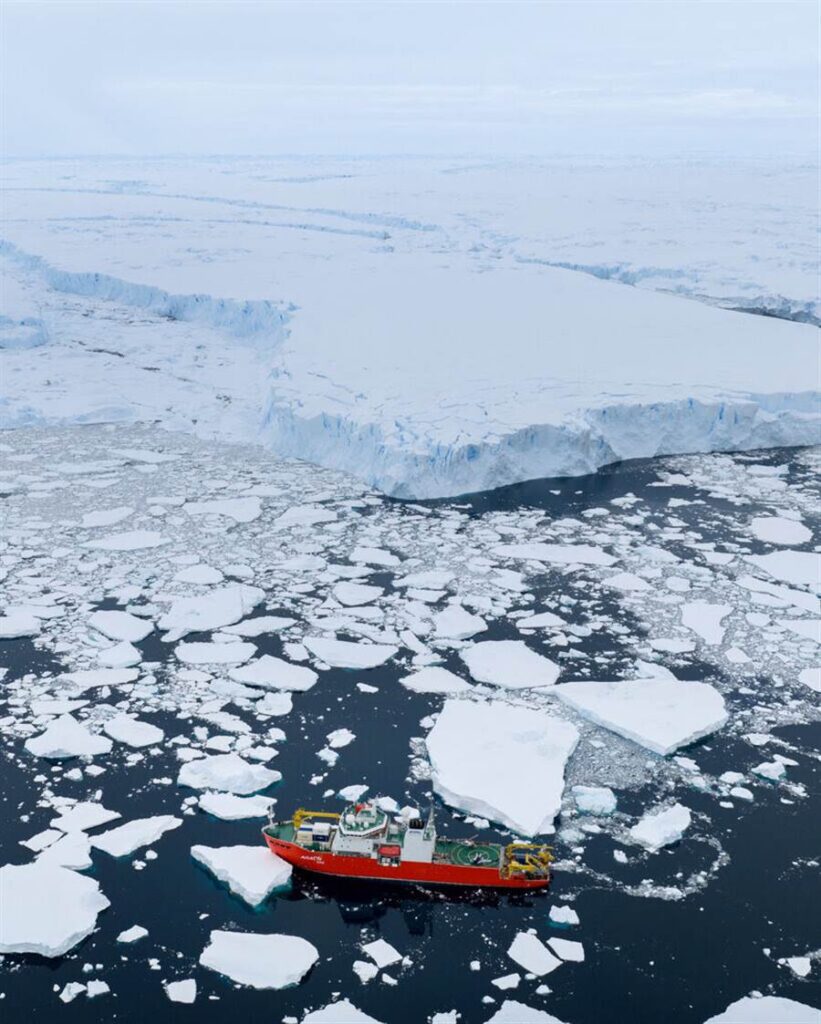
For most of the past two months, I’ve been traveling with scientists on an icebreaker in Antarctica, surrounded by frigid water that could drown us in seconds and glaciers so vast they swallow the universe.
Chang W. Lee, my photographer colleague, and I have been documenting the scientists’ efforts to study the fast-melting Thwaites Glacier.
Thwaites is something like a cork in a bottle. Researchers fear that, if it sheds too much ice, it could allow more of the vast West Antarctic ice sheet behind it to start sliding rapidly into the sea. That could swamp coastal communities worldwide with as much as five meters of extra water over the coming centuries.
We’re headed back home now. But throughout the trip, we’ve been reminded of how fiercely Antarctica resists any attempts to bring it down to size.
First, sea ice slowed our ship. Then, low clouds delayed the expedition’s helicopter flights. Then, whipping winds kept burying equipment in snow.

‘A shock to the system’
We knew conditions would be challenging. What I didn’t expect was the way going to the extremes of the Earth could make home seem strange and unfamiliar by comparison. That’s a testament to either human adaptability or human shortsightedness — I can’t decide which.
I won’t ever forget, for instance, our aerial view of Thwaites after the researchers set up camp on the gargantuan glacier and drilled a hole a kilometer through the ice to study the ocean currents below. From a helicopter, the scientists looked utterly insignificant compared with the ice all around, like ants on a picnic blanket.
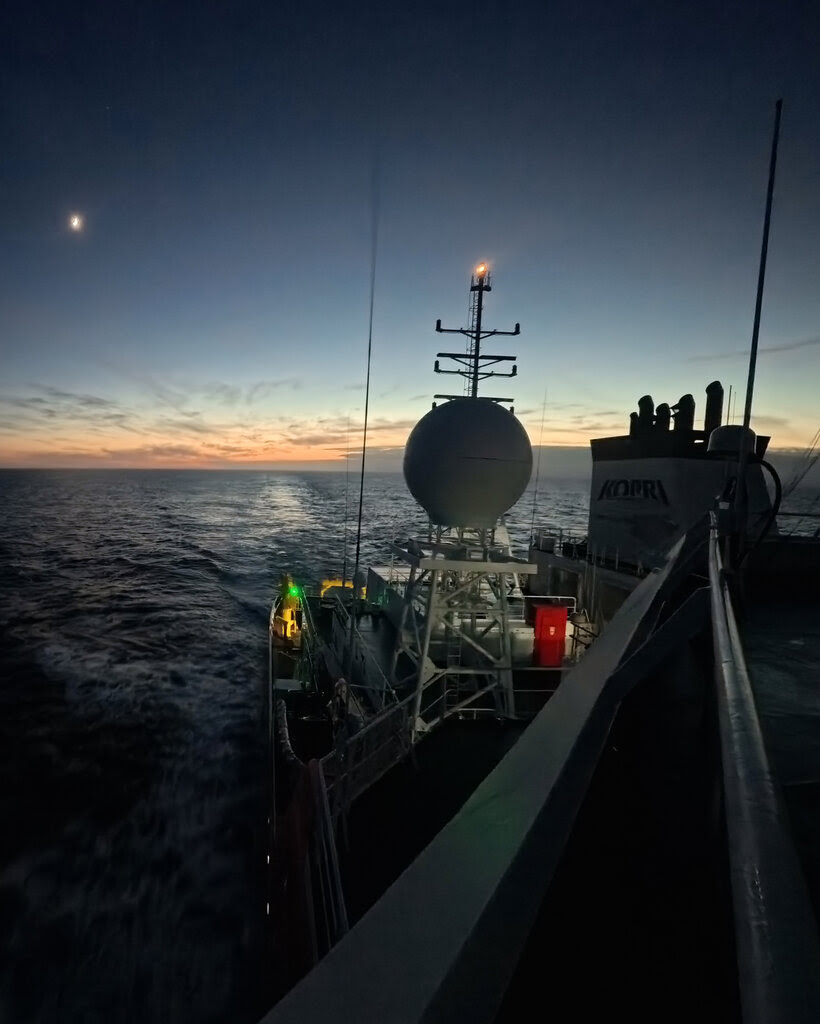
And yet, for me, the even more uncanny sight appeared only after we left Antarctica on Feb. 7 and began the long journey back to New Zealand.
It was a dark night sky, the first we’d seen in over a month.
I hadn’t given much thought to the 24-hour daylight while we were in Antarctica. Our cabins have blackout curtains, and the scientists worked at all hours anyway. Still, I didn’t realize how fully I’d internalized the never-setting sun until it was gone. Suddenly, I felt what the ancients must have felt witnessing their first solar eclipse: How terrifying, the darkness. How unholy.
There will be more odd experiences like this, I’m sure, now that we’re back on land. Scott Polfrey, a mechanical engineer with the British Antarctic Survey, recalled coming home after his first field season on Antarctica, in 2018. He and a small team had camped on the ice for roughly 90 days to extract an ice core more than 650 meters long, one that would reveal the deep history of the glaciers in that area.
“It was a bit of a shock to the system when I got back,” Polfrey said. “I walked into the supermarket, into Tesco’s, and was just a bit overwhelmed.”
This year’s team, by contrast, camped on Thwaites for less than two weeks. (There was still no supermarket, but the mess tent on the ice had tea, cheese and fresh bread.)
‘A smaller, more fragile world’
For me, the most disorienting thing about Antarctica was the complete lack of visual reference points. The glaciers and icebergs around us were huge, of course. But how huge? With only other giant blocks of ice to size them up against, they could have been nine meters tall or 90 meters tall. It was hard to be sure.
On land, our environments are overstuffed with visual cues: cars, houses, buildings. These things reassure us that we belong there, that our spaces are designed to human scale. That’s why it can be so powerful to get away from such spaces, into mountains, deserts and other landscapes that force you to recalibrate your sense of relative size and importance in the world, and maybe even the scale of the world itself.
David Holland, a mathematician and polar scientist at New York University, said he had experienced this kind of seismic shift in scale four times in his life.
The first was when he was a boy in Newfoundland, seeing those iconic photos from Apollo 8 of Earth peeking up from behind the moon. The second time was in graduate school, when he learned that the ocean’s proportions are like those of a sheet of paper, thousands of times as broad as it is deep. A third moment came after Holland moved to New York City and discovered the finiteness of a city that, on childhood visits, had seemed all but infinite.
The last one was during Holland’s first trip to Antarctica, in 2007.
Looking out over the icy plains, he said to himself, “This is all there is; there is no more.” Earth may not be flat, in other words, but it does have an end, and he had reached it.
He lost some innocence about the planet that day, he said. From then on, the world seemed smaller, more vulnerable to everything we are doing to it.
| MORE TOP NEWS |
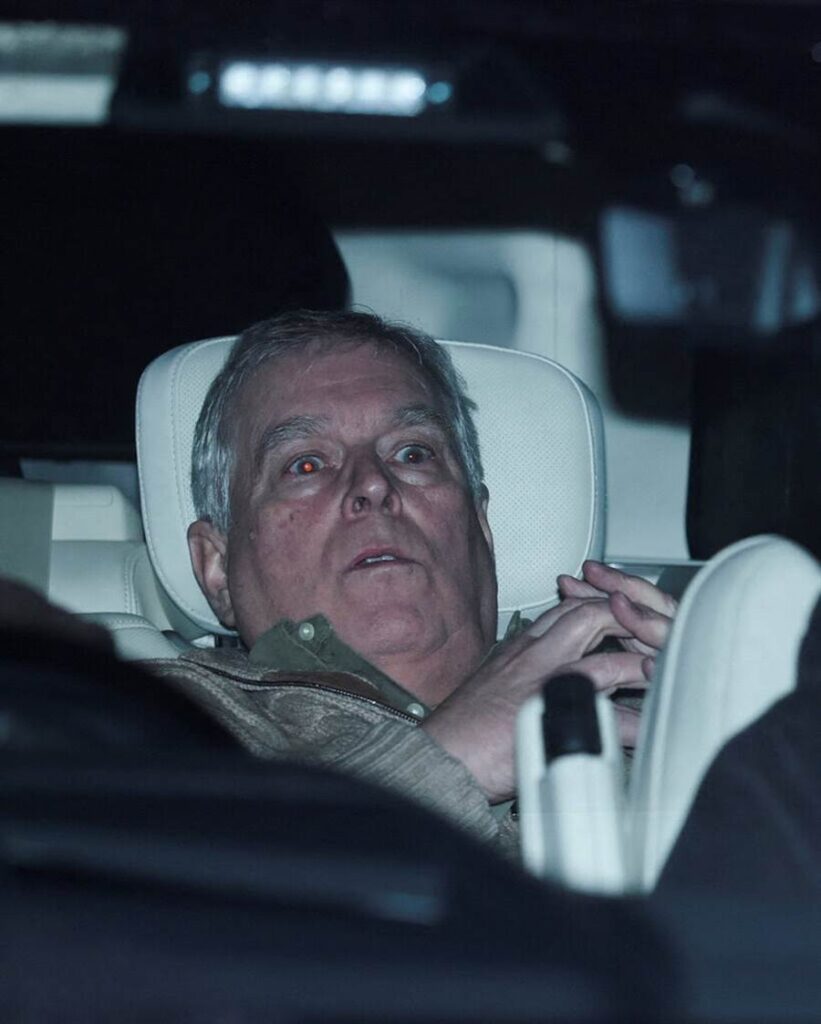
Former Prince Andrew was arrested
The British police yesterday arrested Andrew Mountbatten-Windsor, formerly known as Prince Andrew, over suspicions of misconduct in public office. This followed reports that he appeared to have shared confidential information with Jeffrey Epstein while serving as a British trade envoy. Here’s what to know.
Mountbatten-Windsor was later released from custody and police said the investigation was continuing. The arrest was a stunning blow to the British monarchy. King Charles said he supported a “full, fair and proper process” regarding the investigation of Mountbatten-Windsor, who was stripped of his royal titles but remains eighth in line to the throne.
For more: The last time a member of the British royal family was arrested was in 1649, when Charles I was executed for treason during the English Civil War.
| OTHER NEWS |
| President Trump oversaw the inaugural meeting of his “Board of Peace,” during which he announced that it would put up billions to rebuild Gaza but offered few details.Trump is weighing possible strikes on Iran. Rarely in modern times has the U.S. prepared to conduct a major act of war with so little explanation, David Sanger writes.Venezuela passed an amnesty bill that could free hundreds of political prisoners after major pressure from the U.S.Former President Yoon Suk Yeol of South Korea was sentenced to life in prison after being found guilty of masterminding an insurrection when he tried to impose martial law in 2024.A U.N. report said that an assault on the city of El Fasher by the Sudanese paramilitary group, known as the Rapid Support Forces, bore “the hallmarks of genocide.”A Russian officer is on trial after being accused of leading a scheme in which soldiers shot themselves in order to obtain payouts for battlefield injuries.Investors are cooling on China’s electric vehicle market as competition crushes profit margins and government subsidies vanish. |
WHAT ELSE IS HAPPENING
| Eric Dane, the actor best known as the charming surgeon nicknamed McSteamy on the drama “Grey’s Anatomy,” died at 53.The chief executives of OpenAI and Anthropic avoided holding hands during a photo-op at an A.I. summit in India, hosted by Prime Minister Narendra Modi. Watch the awkward moment here.Top of The World: The most clicked link in your newsletter yesterday was about the emptied ISIS prisons in Syria. |
| WINTER OLYMPICS |
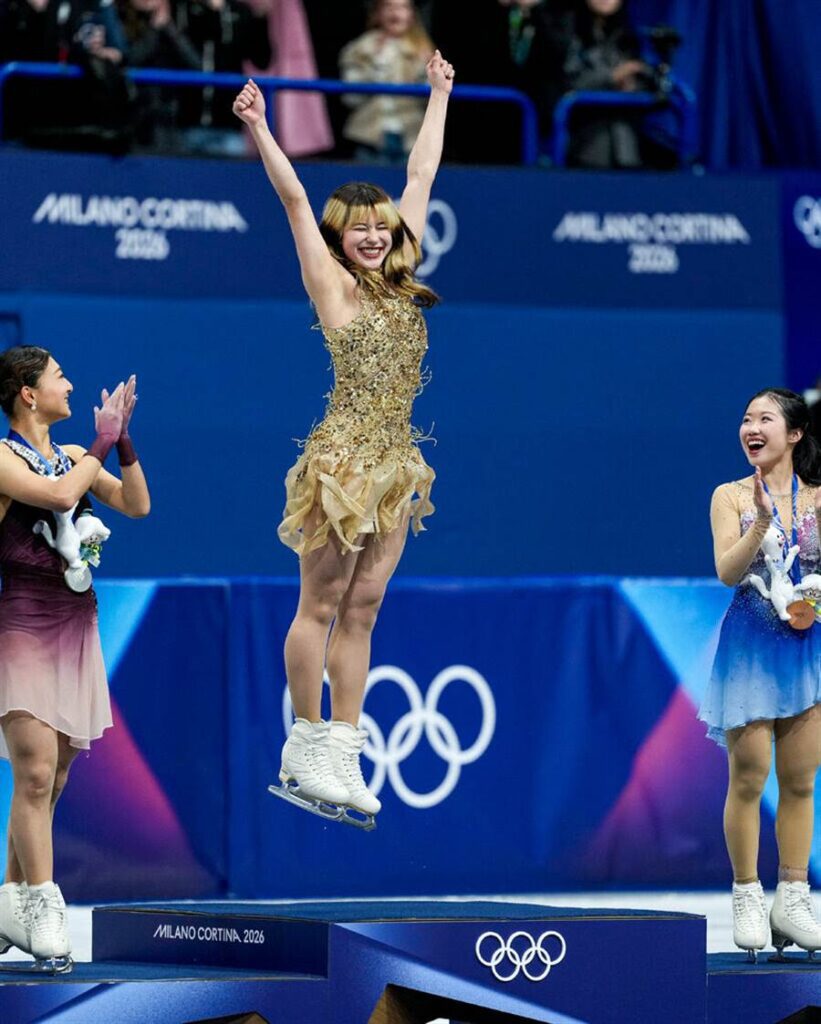
Figure skating: Alysa Liu, bursting with joy, won the first U.S. Olympic women’s figure skating gold in 24 years.
Hockey: The U.S. won gold against Canada in the women’s final in what some are calling the nastiest rivalry. Read a recap of the match.
| COLOR OF THE DAY |
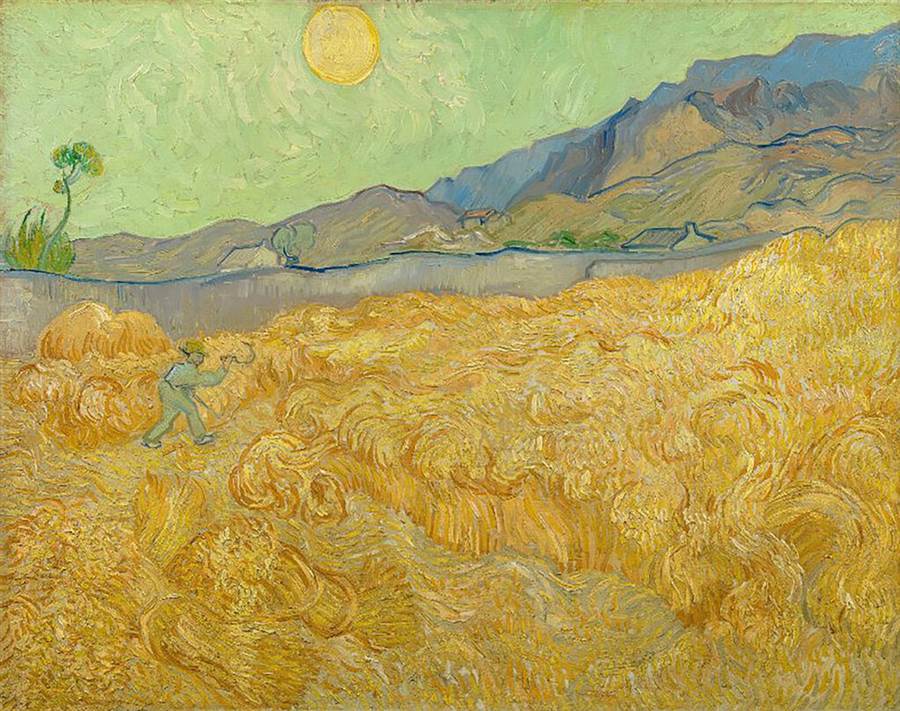
Yellow
— It was Vincent van Gogh’s favorite color, some say, and he used it widely during a happy period that produced some of his most famous works. A new exhibition in Amsterdam takes his paintings as a starting point to explore the color’s shifting meaning for artists.
| MORNING READ |
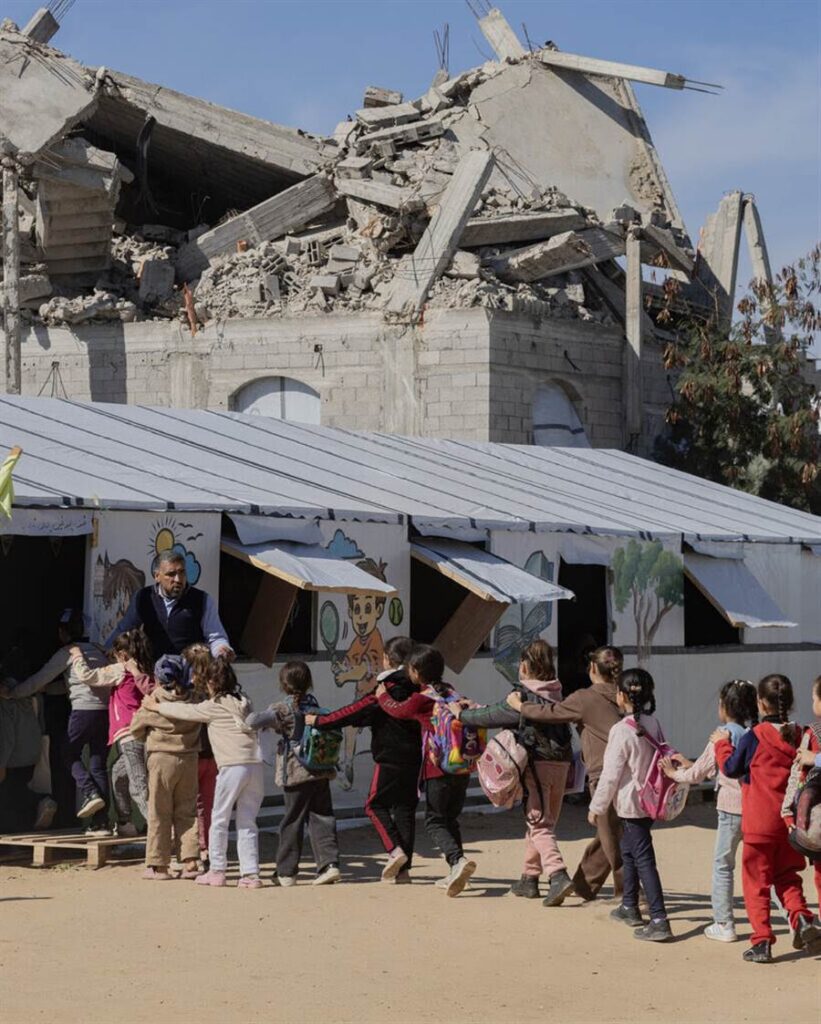
Quietly, and despite considerable risk, a network of free private schools for war orphans and other children has sprouted in Gaza. These Academies of Hope, as the schools are called, are the brainchild of a Palestinian American neurosurgeon who took part in medical relief missions there soon after Israel invaded Gaza in the wake of the Oct. 7, 2023, attacks.
Around 9,000 pupils in grades one through nine are attending classes in five campuses in southern Gaza. Here’s what they’re learning.
| AROUND THE WORLD |
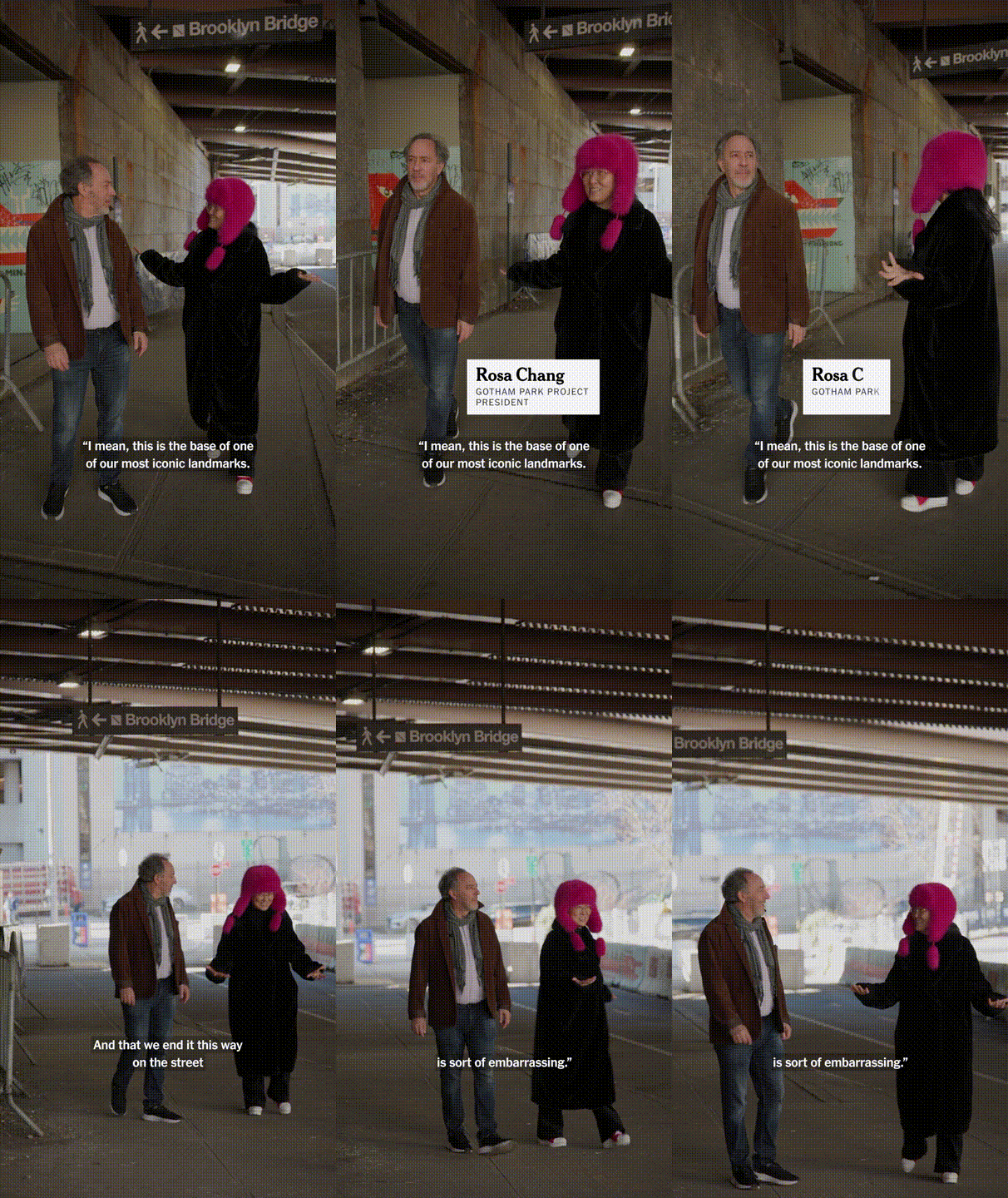
The New York City park that almost no one knows about
Near the tip of Lower Manhattan, just below the Brooklyn Bridge, a park is blooming in a large space that was almost entirely closed to the public since Sept. 11. It’s called Gotham Park, and it’s being brought to life by an organization led by a woman named Rosa Chang.
The space, which connects the Police Headquarters, City Hall and the Municipal Building, is at the intersection of New York’s power centers and several historical neighborhoods. But there’s another kind of power evident here. In a city where it’s sometimes hard to get things done, an assortment of neighbors has come together to reimagine this space. Take a tour with Michael Kimmelman, our architecture critic.
| RECIPE |

A much-loved creamy custard dessert in many Somali households, labaniyad is a fixture during Ramadan, when it is often enjoyed as the sweet end to an iftar meal. While the custard base is not typically fruity, this recipe uses sweet, ripe mangoes for deeper flavor.
