
| March 19, 2026 | By Katrin Bennhold |
Good morning, world. We’ve written a lot about how the war in Iran is changing the Middle East and geopolitics. We’ve written less about how it’s changing Iran.
That’s partly because reporting on an authoritarian country at war is extremely challenging. But this week, my colleague Farnaz Fassihi had a remarkable story that took us behind the scenes of Iran’s supreme leader succession fight. What she found suggests the war has had a profound impact — but not the one President Trump was hoping for.
Today I write about the incredible inside story of Iran’s internal power struggle, and how regime hard-liners found assistance from an unlikely source: America and Israel.
Also:
| An attack on Iran’s gas fields Israeli airstrikes on Beirut Tears of joy for Venezuelan baseball |
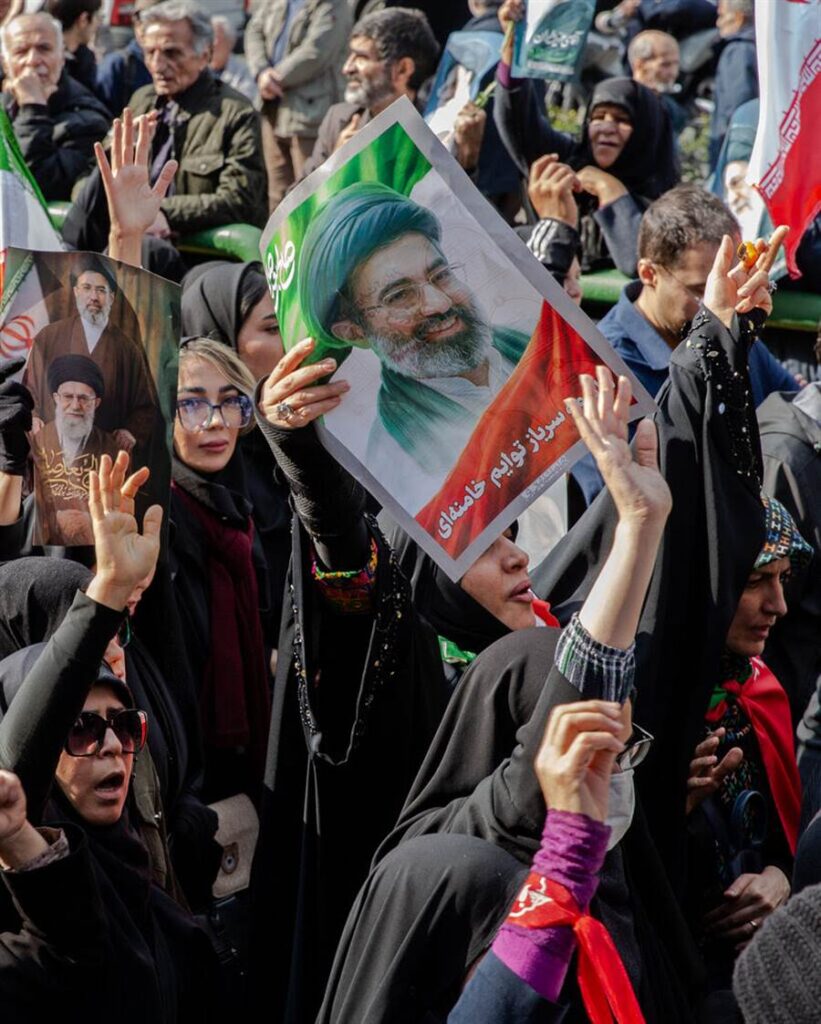
| Funerals in Tehran yesterday for prominent Iranians killed in airstrikes. Arash Khamooshi for The New York Times |
How the war is empowering Iran’s hard-liners
It was the Islamic republic’s version of “Game of Thrones”: a slain leader, a council of clerics, and two dynasties — Khamenei and Khomeini — competing. All this as American and Israeli bombs rained down on the realm.
It ended, we now know, in the appointment of Mojtaba Khamenei as Iran’s next supreme leader. He’s a man many consider to be just as hard-line as his father, who was taken out by Israeli airstrikes.
But an outcome that from the outside may have seemed “straightforward, even predestined,” as Farnaz wrote, was neither. Instead, it was the product of a dramatic fight between regime factions in which the hard-liners prevailed. They were aided by a mood of defiance and anger fueled by the war.
We’ve heard different visions from the U.S. and Israel about how they imagine the war ending. Some involve wholesale regime change. Others point to the idea that the war will produce a more cooperative, conciliatory Iran.
For the moment, that’s not how things are going.
Hard-liners vs. moderates
Before the war, analysts say, Iran might have been on an organic path to more moderate leadership. There had been successive mass protest movements that had already led to some societal change. The aging Ayatollah Ali Khamenei had limited years left in power. He had given close advisers the names of three potential successors. His son was not among them.
Farnaz’s reporting reveals how the war has changed all that. And the death this week of Ali Larijani, the de facto interim ruler of Iran who was on the side of the moderates in the succession fight, only reinforces that dynamic. Larijani was also killed in an Israeli airstrike.
The succession fight was fueled by rage against the U.S. and Israel. But it was also a fight that revealed just how hard moderates were pushing for a different kind of Iran.
The hard-liners rejected any internal and external calls for regime change. Khamenei’s son, their preferred candidate, had the backing of the powerful Islamic Revolutionary Guards Corps, Iran’s ideologically driven military force.
The moderates, meanwhile, were arguing for a new face, a new style of governing and an end to hostilities with the U.S. Their two preferred candidates were Hassan Rouhani, a former president who oversaw the negotiations leading to the 2015 nuclear deal, and Hassan Khomeini, the grandson of the founding father of the Islamic republic who is close to reformist parties.
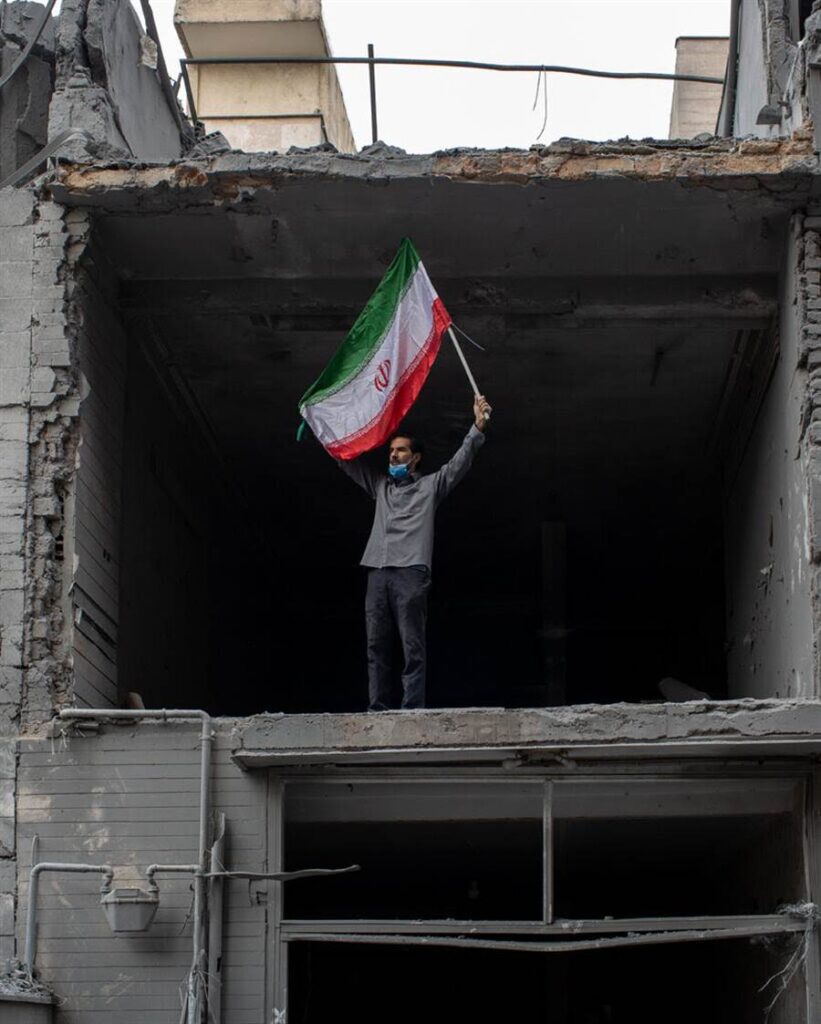
But with American and Israeli bombs falling from the skies, the clerics in charge of appointing a supreme leader grew less interested in a pragmatic leader able to rescue the country from its state of acute crisis, Farnaz wrote. They wanted to avenge the death of a leader they view as a martyr.
On March 3, Mojtaba Khamenei received the necessary two-thirds majority from clerics. But even then the moderates did not give up.
Larijani’s “coup” attempt
The man central to a last-ditch effort to challenge Khamenei’s ascension, officials and clerics told Farnaz, was Larijani.
Larijani was concerned the younger Khamenei would be a polarizing figure and had argued for a more unifying leader. And when his side lost, he tried to play for time.
First, he called off the announcement, arguing it would be a risk to Khamenei’s life. Then, he said the vote was invalid because Iran’s Constitution mandates that clerics vote in person.
The delay gave other moderates time to organize a more substantial challenge: an argument that Ayatollah Khamenei hadn’t wanted his son or any family member to succeed him. A written will specified why: Hereditary succession would violate the essence of the 1979 Islamic revolution that toppled the Shah.
These plays didn’t work. The Revolutionary Guards, who accused moderates of staging a “coup,” swiftly mounted a counteroffensive and ultimately prevailed, electing Khamenei a second time.
“The war undermined the moderates, who wanted to start a process of structural change,” Farnaz told me. “And the war killed the man” — Larijani — “who could have helped make that happen, and might have been able to negotiate peace.”
Larijani’s death is likely to radicalize and militarize the regime further, Farnaz said. He himself might be replaced by what she called an “ultra-hard-liner.”
Hamidreza Azizi, an expert on Iranian security issues, called the U.S.-Israeli approach to the war “elite-thinning,” and said it was going to make negotiating to end the war more difficult.
“Every layer that you remove, the next layer is going to be more hard-line,” he told my colleagues. (The Israeli military announced yesterday that it had also killed the Iranian intelligence minister in an overnight strike.)
His quote made me think of a news conference just a few days into the war, held shortly after Ayatollah Khamenei was killed. Asked whom he wanted to see rule in the supreme leader’s place, Trump acknowledged he wasn’t sure. They had some names when the war started. But, he said, “most of the people we had in mind are dead.”
The latest on the war:
| Iran and Qatar accused Israel of attacking the South Pars gas field. Oil and natural gas prices spiked. |
| Israel expanded its airstrikes on central Beirut, targeting parts of the Lebanese capital that had been considered safe. |
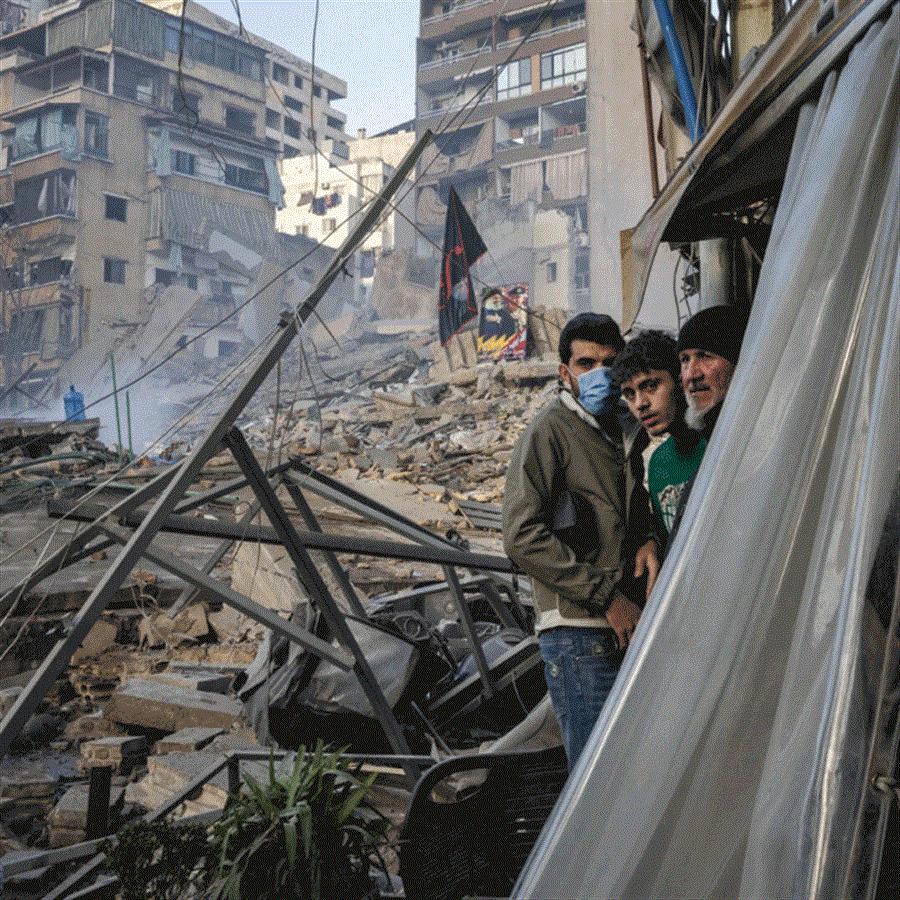
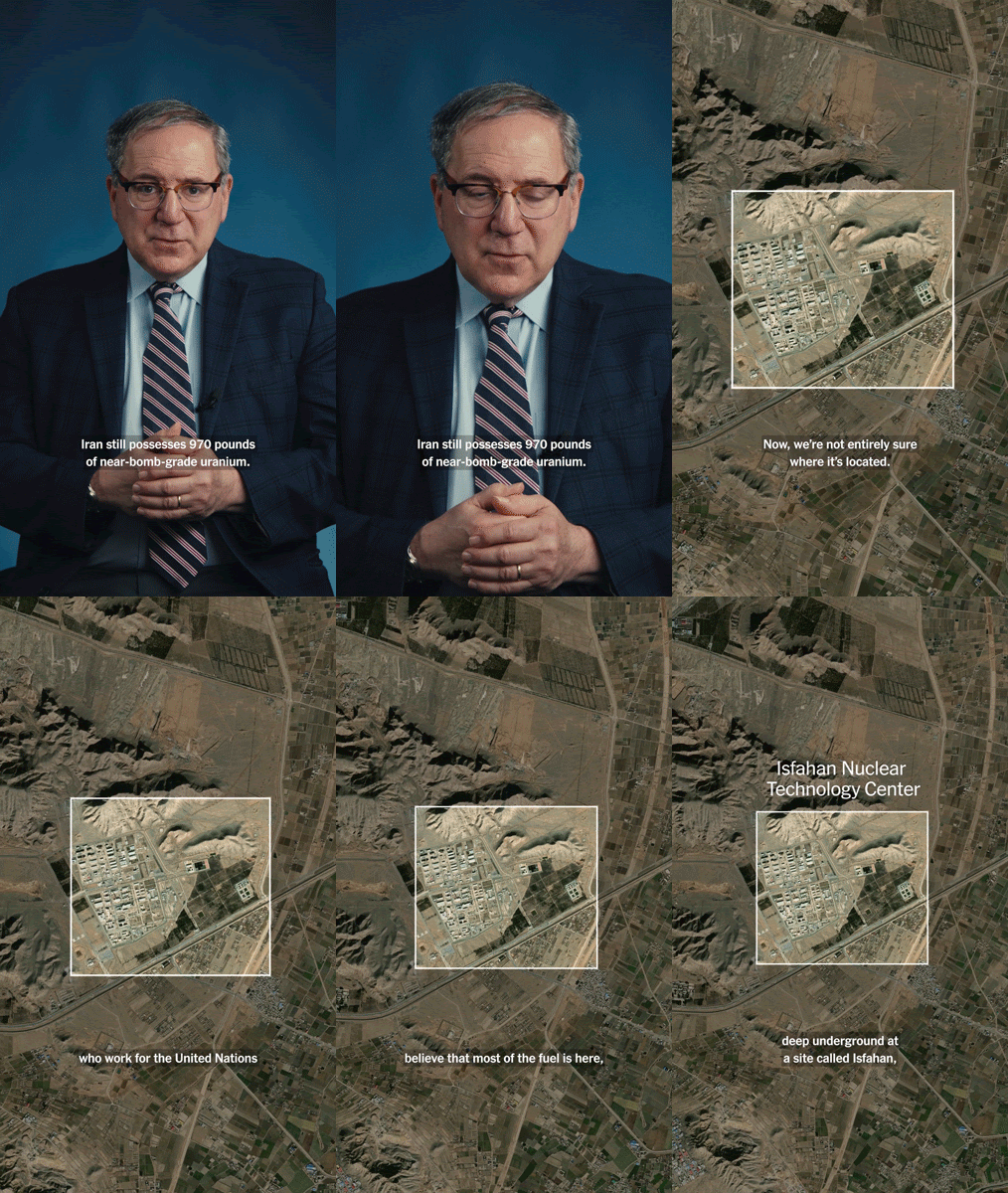
| In One Image: The Times photographer David Guttenfelder captured this scene after an Israeli airstrike destroyed a building yesterday in Beirut.Two U.S. intelligence officials contradicted one of Trump’s justifications for going to war, repeating that Iran was years away from developing missiles capable of hitting the U.S.At least three Palestinians were killed during an Iranian missile attack on the West Bank, with Palestinian officials blaming an Israeli aerial defense interceptor.Trump is debating whether to order the biggest Iran mission of all: to seize or destroy the country’s near-bomb-grade nuclear material. It’s believed to be stored under a mountain. Watch my colleague David Sanger explain in the video below. |
| MORE TOP NEWS |
| An unusually large and fast-moving outbreak of meningitis in England has alarmed British officials.A Russian fuel tanker is drifting aimlessly in the Mediterranean. Its crew abandoned ship after a drone attack. Italy fears that it is an environmental time bomb.Israeli settlers sexually assaulted a Palestinian man in the West Bank, he and witnesses said, prompting the Israeli police to open an investigation.A Russian convict got out of prison six years early to fight in Ukraine and lost a leg. He told our reporter that promised benefits had proved illusory.Cesar Chavez, a champion of farmworkers’ rights in the U.S., sexually abused girls who worked in the movement, a Times investigation found.Women who go through menopause before 40 have a significantly higher lifelong risk of heart attacks, a new study found.Charles Bennett and Gilles Brassard invented a new kind of impregnable encryption technology. They are sharing the Turing Award. |
Top of The World
The most clicked link in your newsletter yesterday was about the right-wing tech billionaire Peter Thiel.
| SPORTS |
Football: Morocco was crowned the champion of the 2025 Africa Cup of Nations after the Confederation of African Football stripped Senegal of the title.
Basketball: The W.N.B.A. and its players’ union reached a deal that raises average salaries up to more than $500,000.
| STOWAWAY OF THE DAY |

This red fox
— He embarked on a long sea voyage after finding his way aboard a ship carrying vehicles from England to the U.S. East Coast. About 2 years old, he appears to be in good health and was brought to a zoo. Officials there want to find him a long-term home.
| MORNING READ |
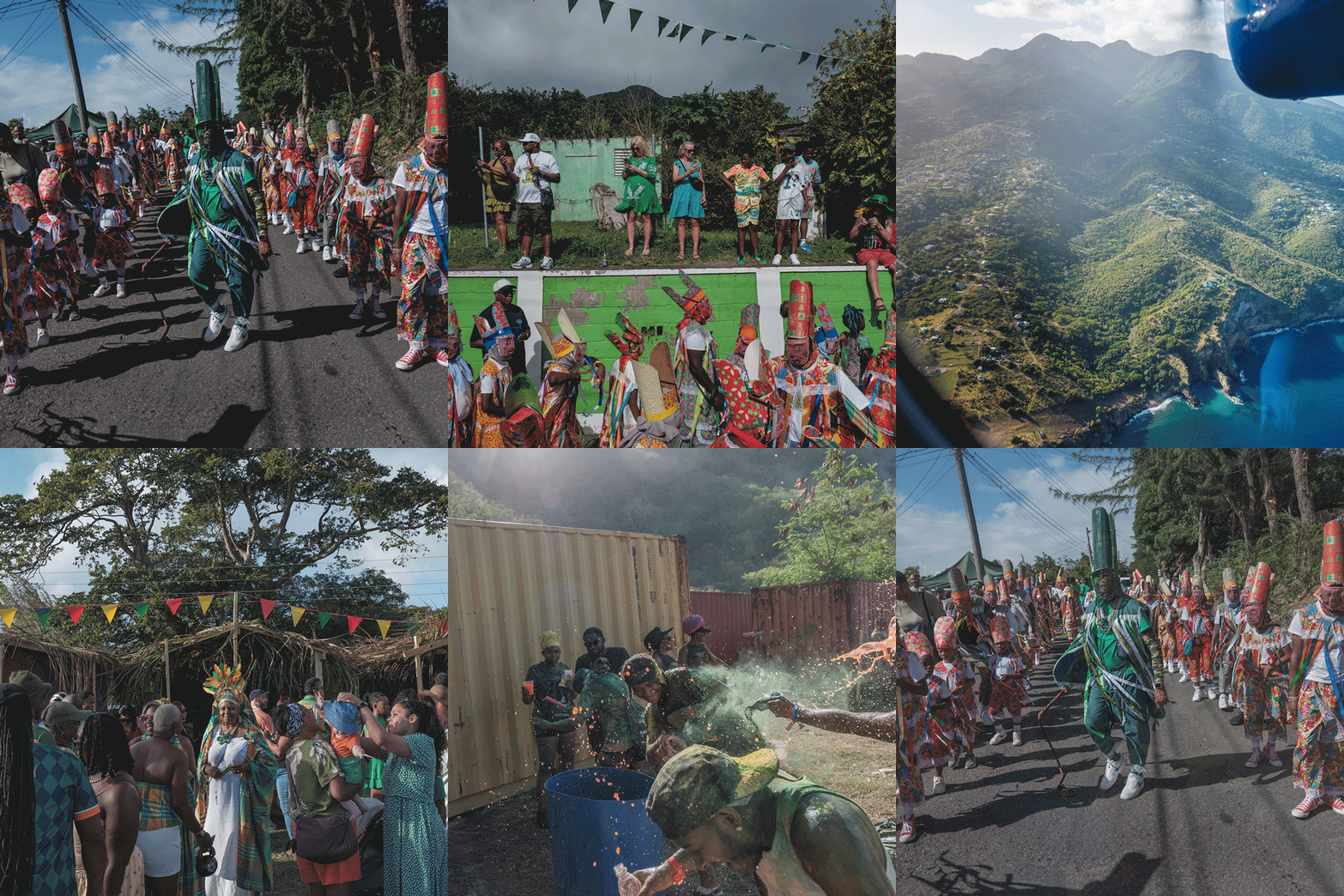
Only two places in the world observe St. Patrick’s Day as a national holiday: Ireland and the Caribbean island of Montserrat.
In Montserrat, where Irish settlers began arriving in the 1600s, the day also serves as a reminder of a failed slave rebellion on March 17, 1768. But that’s only part of the story. It’s also an opportunity to have a good time, Caribbean style. Take a look.
| AROUND THE WORLD |

Venezuelan tears of joy
The acting president of Venezuela declared a national holiday to celebrate her country’s upset win against the U.S. in the finals of the World Baseball Classic.
The Venezuelans, underdogs throughout the tournament, beat the most powerful roster Team U.S.A. had ever assembled with a 3-2 victory on Tuesday. The manager Omar López wept. The brothers William Contreras and Willson Contreras held each other, also crying.
The matchup carried special weight after U.S. forces seized Nicolás Maduro, the former president, and brought him to New York to face trial. But many Venezuelans said the final was not about geopolitics. “Nobody believed in Venezuela,” said Eugenio Suárez, the hero of the night after his go-ahead double in the ninth inning. “But we won the championship today.”
Read about the pitching and passion in Venezuelan baseball.
| RECOMMENDATIONS |
Savor: Looking for rotisserie chicken heaven? It’s in Montreal.
Read: Karan Mahajan’s “The Complex” tracks the fortunes of a political family in a rapidly changing India.
Downsize: Home used to be a cattle ranch in California. Now it’s a tiny apartment in Paris.
Smile: Check out my colleague Melissa Kirsch’s new newsletter: The Good List. You’ll find ideas, inspiration and rituals to add joy to your days. Sign up here.
| RECIPE |

Heavily spiced with peppercorns, ginger, cumin and garam masala, haleem, a slow-cooked stew, is often prepared in big pots for special occasions like Eid in Muslim communities across India and Pakistan.
