
| May 13, 2026 | By Katrin Bennhold |
Good morning, world. For the past few months, the world has been paying a lot more attention to the war in Iran than the war in Ukraine.
But the two conflicts have something in common. They both involve nuclear-armed military superpowers that have found themselves unexpectedly stymied by much smaller countries. That’s a new reality of warfare. Today I’m writing about why Vladimir Putin is feeling newly under pressure, why Volodymyr Zelensky is feeling emboldened — and why big powers with the urge to launch a war of choice might want to think twice.
Also:
| Starmer’s peril continues Iran’s missile capabilities Colombia’s hippo problem |
Something has shifted in the war in Ukraine
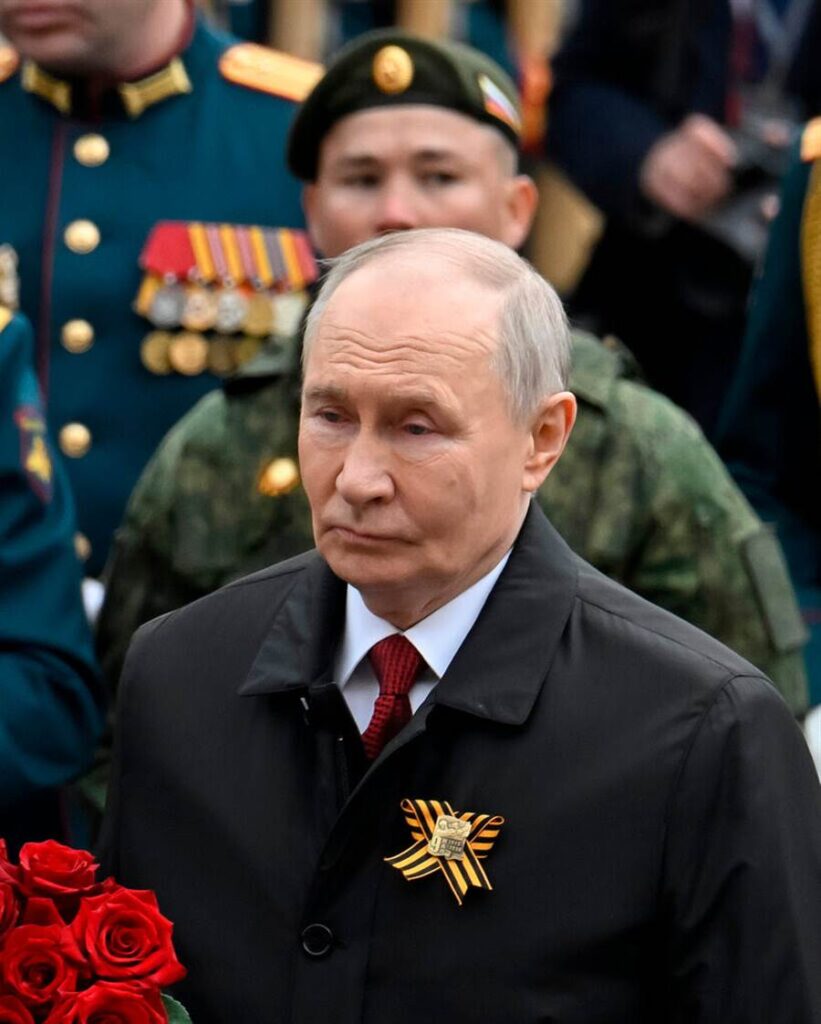
In the days leading up to last weekend’s annual Victory Day parade commemorating the Soviet triumph over Nazi Germany, Russian authorities panicked. There was speculation that Ukraine could target Red Square with drones. The parade was dialed back. Security was ramped up.
Shortly before the event, President Volodymyr Zelensky of Ukraine issued a tongue-in-cheek statement “permitting” the parade to go ahead and pledging not to attack. The Kremlin tersely replied that it didn’t need anyone’s permission.
The exchange showcased a new reality in Russia’s war against Ukraine.
President Vladimir Putin is under pressure in a way he hasn’t been before, my colleagues report. This pressure is coming at the same time that Ukraine, long accustomed to asking for the world’s help, suddenly has other countries calling and asking for assistance.
All this makes for a sense that the dynamic in the war has shifted. Whether that can last is a different matter.
A war-weary Russia
At home, Russians are tired of a war that has already lasted longer than World War II did for them — and one that feels very different from the heroic victory that brought the Soviet Union status as a global power.
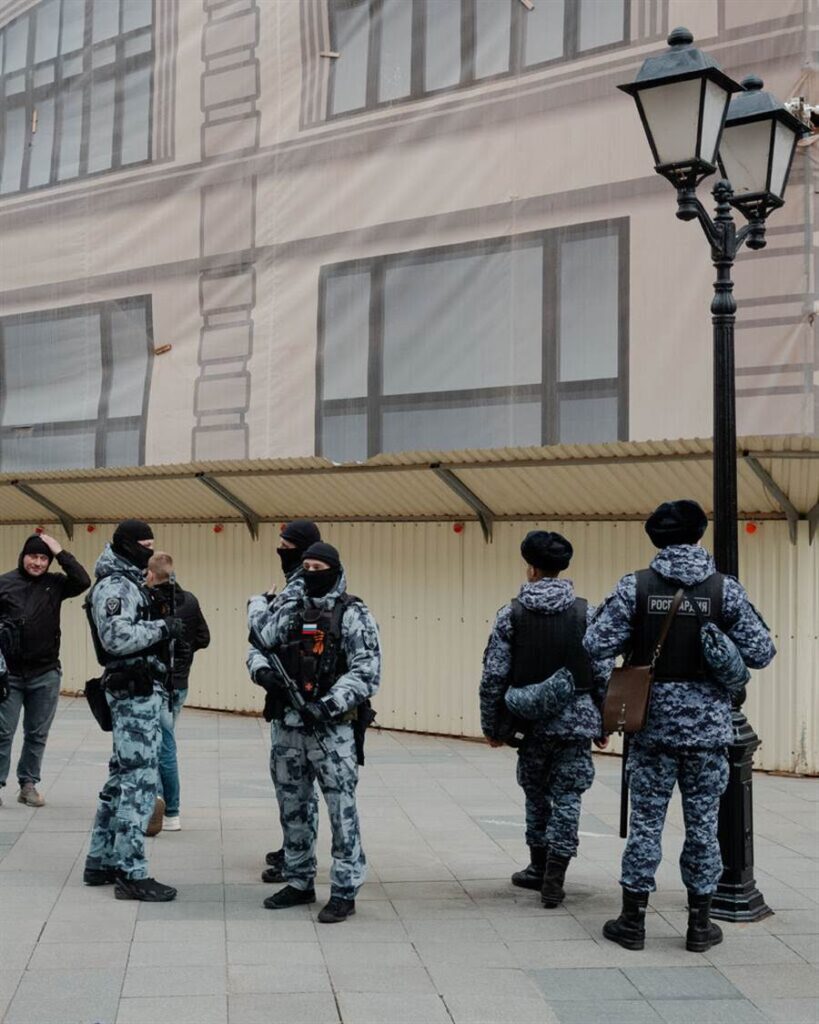
| Heavy security in Moscow in the weeks leading up to the Victory Day parade. Nanna Heitmann for The New York Times |
The advance of the Russian military has slowed to a crawl. In some parts of Ukraine, it has lost territory. And what limited gains Russia has made have come at a high cost. An estimated 352,000 Russian soldiers died in the war by the end of last year. That’s more than six times the number of U.S. troops killed during the Vietnam War.
To add insult to injury, Ukraine has been striking deep inside Russian territory with cruise missiles and drones.
“There’s a clear mood shift in Russia,” Paul Sonne, our Moscow bureau chief, told me. “People aren’t happy.”
Putin, in other words, now has to worry not just about the front line in Ukraine but the home front, too.
A fed-up Zelensky
If Putin is feeling the pressure, his Ukrainian counterpart is feeling somewhat emboldened.
Zelensky, my colleagues write, seems fed up with the delicate dance he’s had to do with the Trump administration for the past year and a half. Fresh off signing air defense deals with Gulf countries that have Ukraine looking less like a charity case and more like a valuable strategic partner, Zelensky is suddenly saying things in public that would have been unthinkable before: The U.S. has “no time for Ukraine”; the U.S. suspending sanctions on Russian oil gave the Kremlin “a sense of impunity.”
One reason for Ukraine’s growing outspokenness? It needs the U.S. less than it used to. It has its own defense industry now. It has expertise to share about drone warfare that is newly in demand. If the contest between Kyiv and Moscow is largely one of developing better drones, and better drone defenses, Ukraine has gained the upper hand in recent months. (In March, Ukraine even sent interceptor drones and experts to Jordan to protect U.S. military bases at the request of the U.S.)
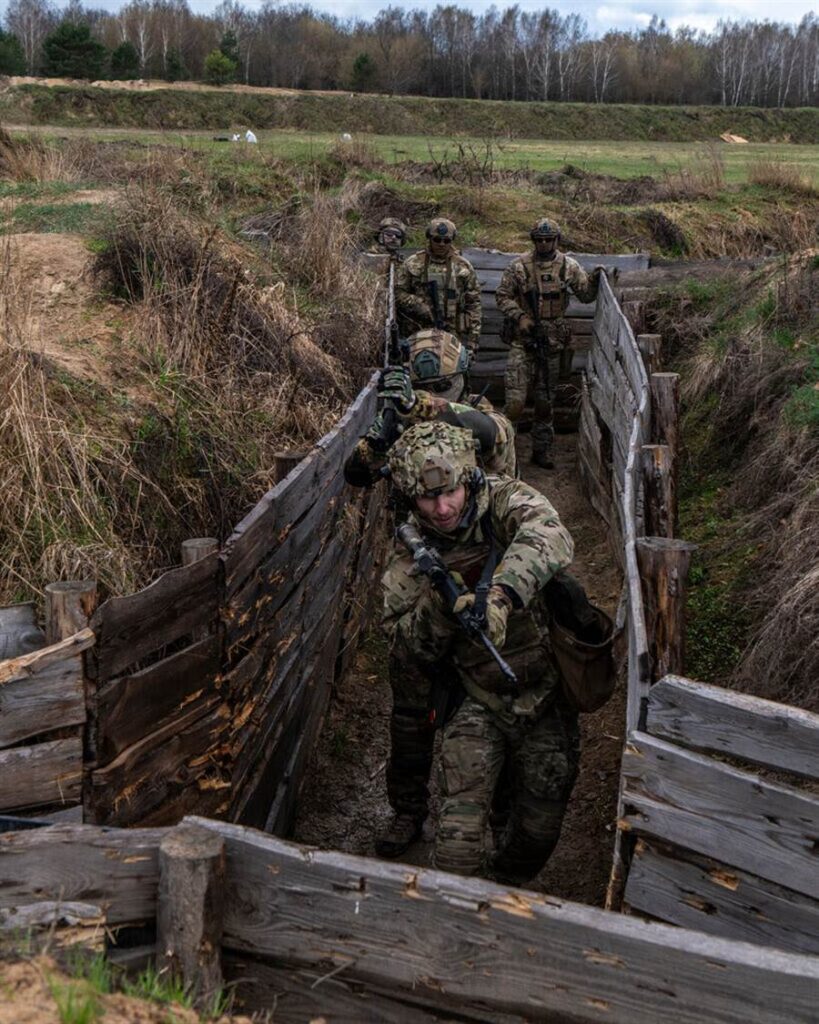
| Ukrainian soldiers training in the Chernobyl exclusion zone last month. Brendan Hoffman for The New York Times |
“We’re a long way from that meeting in the Oval Office where he’s accused of not being grateful enough and berated for not wearing a suit,” my colleague Kim Barker, who reports on Ukraine, told me. Today, Zelensky is operating from a position of strength.
For now, anyway.
The drone factor
All this doesn’t necessarily mean Ukraine will prevent Russia from advancing again. We’ve seen Russia stall and pick up steam before.
Putin’s approval ratings have fallen, but they remain significantly higher than they were in the years before he launched the invasion. Warmer weather is already helping Russian troops in Ukraine, and the summer months might accelerate their advance; they have in past years.
And President Trump, if he becomes less distracted by his own quagmire in Iran, might use the considerable leverage he has left to strong-arm Kyiv into a Russia-friendly deal, Paul said. “The new tactic from Moscow is they don’t want to achieve their goals militarily, they want to achieve them through negotiations with help from the U.S.,” he said. “Putin has talked a really good game about how Russian victory is inevitable and Trump has bought it.”
Ultimately, what this momentum shift might underscore most is that something similar is unfolding in both Ukraine and Iran.
For the past two months, Iran has stymied the U.S. with a combination of geography — the Strait of Hormuz — and drones. In Ukraine, too, drones have allowed it to resist Russia, its much larger and more conventionally powerful neighbor, for four years and counting.
For superpowers around the world, invading a smaller country has become more dangerous than ever.
| ASK A CORRESPONDENT |
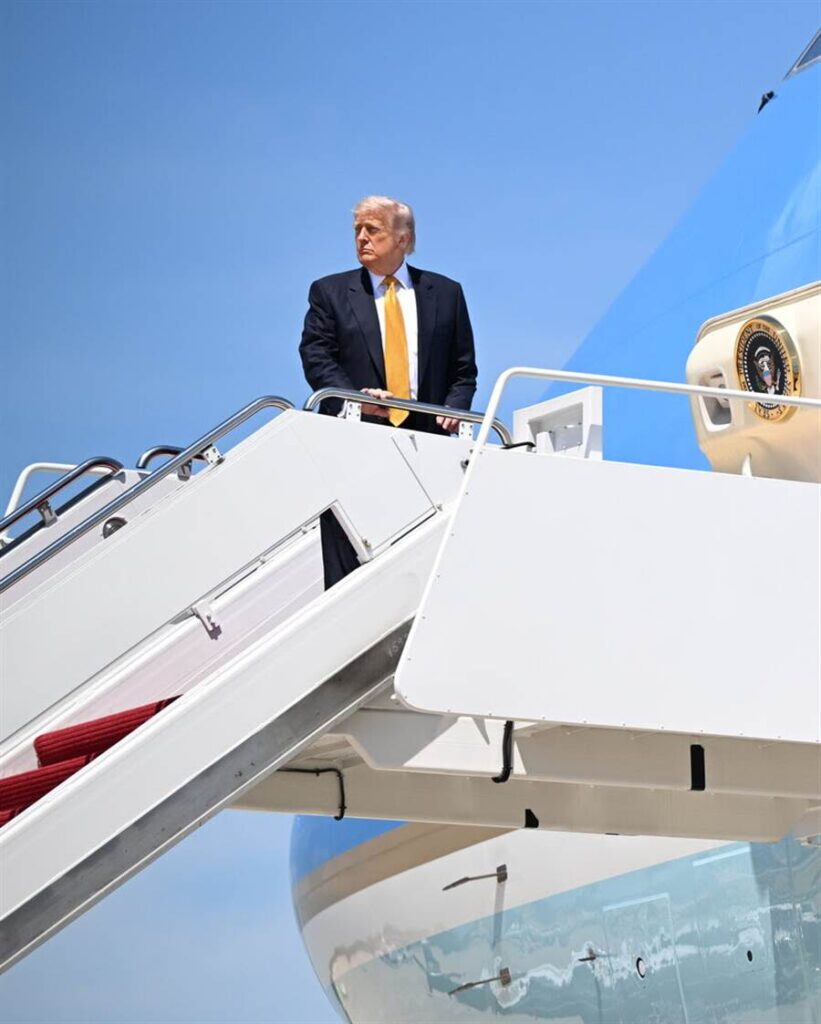
Trump has left Washington and is expected to arrive in Beijing today for a summit with the Chinese leader, Xi Jinping. David Pierson, our China correspondent, is answering questions from our readers all week about the meeting.
When will Trump and Xi discuss the future of Taiwan? And what support can we anticipate from Trump regarding Taiwan’s continued independence from mainland China? — Julie George Garkov, Belgium
David: One thing to say up front is that the U.S. position when it comes to Taiwan is complex. It has historically said that it does not support Taiwanese independence.
U.S. policy officially supports the status quo: It recognizes a single Chinese government in Beijing and maintains formal diplomatic ties with the mainland, but it also has informal ties with Taiwan’s government.
Having said that, China will want Taiwan to feature prominently at the summit. Its status is at the core of China’s interests and the biggest flashpoint in relations with Washington. Analysts have been speculating for months that Xi will ask Trump to again delay U.S. arms sales to Taiwan and may even call for a change in U.S. policy to say Washington opposes Taiwanese independence.
All this has elicited some jitters in Taiwan. During his presidential campaign, Trump said Taiwan should pay the U.S. for defending it from China and accused it of stealing America’s chip industry. Still, Taiwan has many supporters in Congress who don’t see the relationship as transactional the way Trump does, and who might serve as a counterweight.
| MORE TOP NEWS |
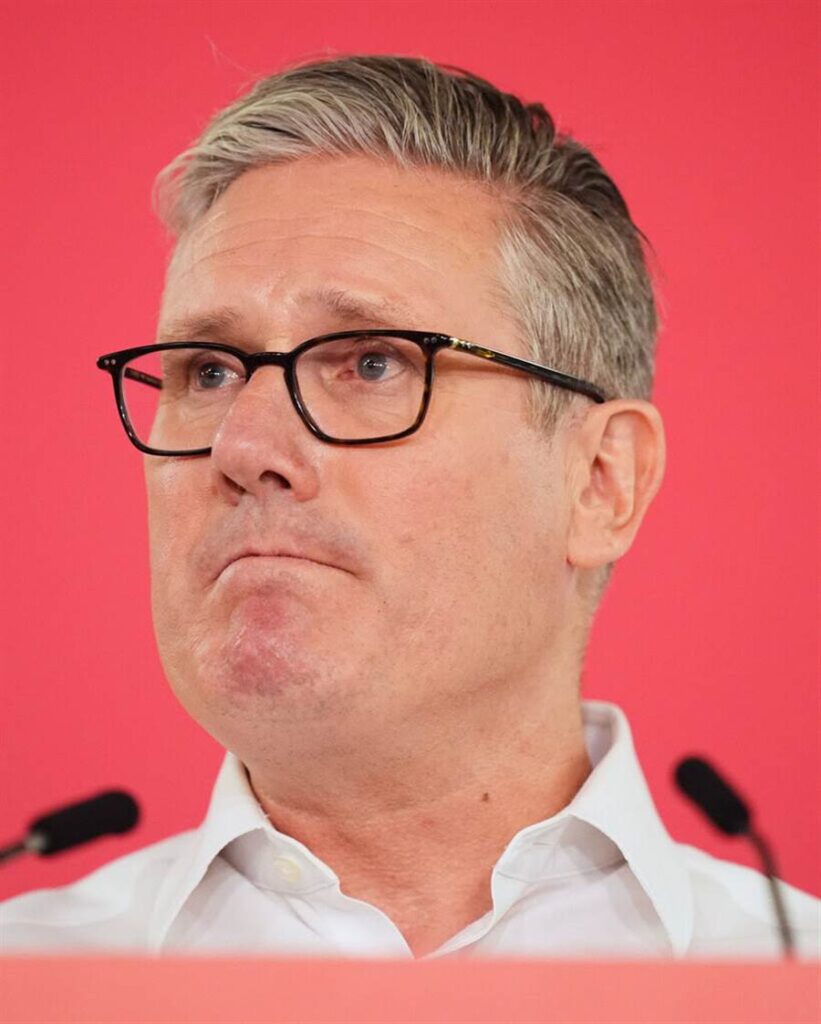
The fast-moving rebellion against Starmer continues
Britain’s prime minister, Keir Starmer, may have staved off calls for his resignation yesterday, but it still remains to be seen whether his Labour Party rivals will formally launch a challenge to his leadership.
By last night, more than 80 Labour lawmakers had called for him to step aside. And four junior ministers have publicly submitted their resignations.
Starmer’s critics argue that his deep unpopularity makes a new leader necessary. Some of his allies point to the damage done to the country by the Conservative Party cycling through prime ministers.
| OTHER NEWS |
| Classified new U.S. intelligence assessments show that Iran has regained access to most of its missile sites, launchers and underground facilities. That information is at odds with the Trump administration’s public portrayal of a shattered Iranian military.Kuwait accused Iran of sending several members of its military to infiltrate a strategically important Kuwaiti island.A two-year investigation by a team of researchers in Israel concluded that sexual violence by Hamas and its allies was widespread during and after the Oct. 7, 2023 attacks.Catherine, Princess of Wales, is expected to arrive in Italy today for her first overseas engagement since her cancer diagnosis was revealed.Sam Altman, the chief executive of OpenAI, took the stand in a trial pitting him against Elon Musk.Amnesty International said Nigeria’s military had killed more than 100 people in airstrikes on a crowded village market.eBay rejected a $55 billion proposal by GameStop to combine the two companies. |
Top of The World
The most clicked link in your newsletter yesterday was our quiz on gardening.
| SPORTS |
Football: Mexico reversed plans to end the school year early for the World Cup after the idea drew criticism.
Baseball: The split-fingered fastball is the “it” pitch right now, but it is still rarely thrown by left-handed pitchers. Here’s why.
| SNACK UPDATE OF THE DAY |
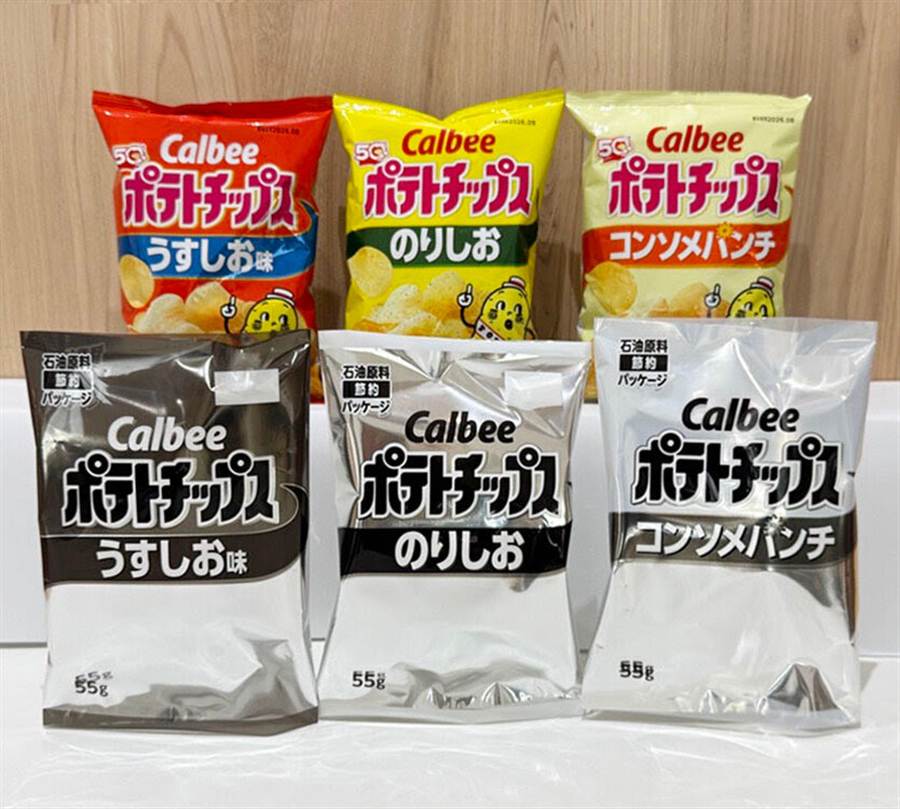
Japanese bites in black and white
The Iran war is taking the color out of Japan’s best-known snack bags. The food giant Calbee said it had to switch to black-and-white packaging for its salty products because of a shortage of naphtha, a derivative of crude oil that’s used in inks.
| AROUND THE WORLD |

Pablo Escobar’s hippos
The Colombian drug lord brought four hippos as exotic pets to his sprawling estate in the 1980s. After Escobar was killed in 1993, the hippos were left to their own devices. Today, about 200 of them roam freely along the Magdalena River.
Last month, Colombian officials announced plans to cull 80 hippos. The planned killing has divided the village of Doradal, where the wild hippos have become a lucrative tourism attraction and defined the town’s identity. Read more.
| RECOMMENDATIONS |

Watch: Our movie critic reviews “The Sheep Detectives” and wonders why more movies aren’t like it.
Unplug: The four-week “Touch Grass” Challenge from our Well desk is designed to help you get off your phone. Here’s how to join.
Read: “Men Like Ours” follows an immigrant family in New Jersey’s Little India through a community crisis.
Savor: High in fiber and packed with vitamins, artichokes are one of the most underrated vegetables.
| RECIPE |
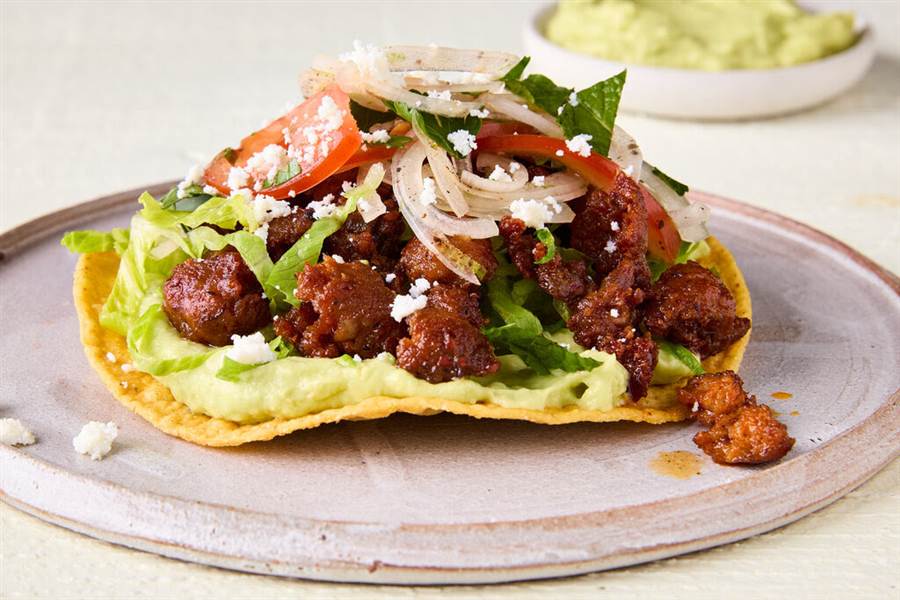
These tostadas channel the spirit of one of Oaxaca’s most beloved street foods — tostadas de salchicha, made with the smoky, bright-red sausage from the city of Ejutla de Crespo. In this easy version, chorizo or spicy Italian sausage is crumbled, crisped and then piled onto crunchy tostadas layered with guacamole.
