
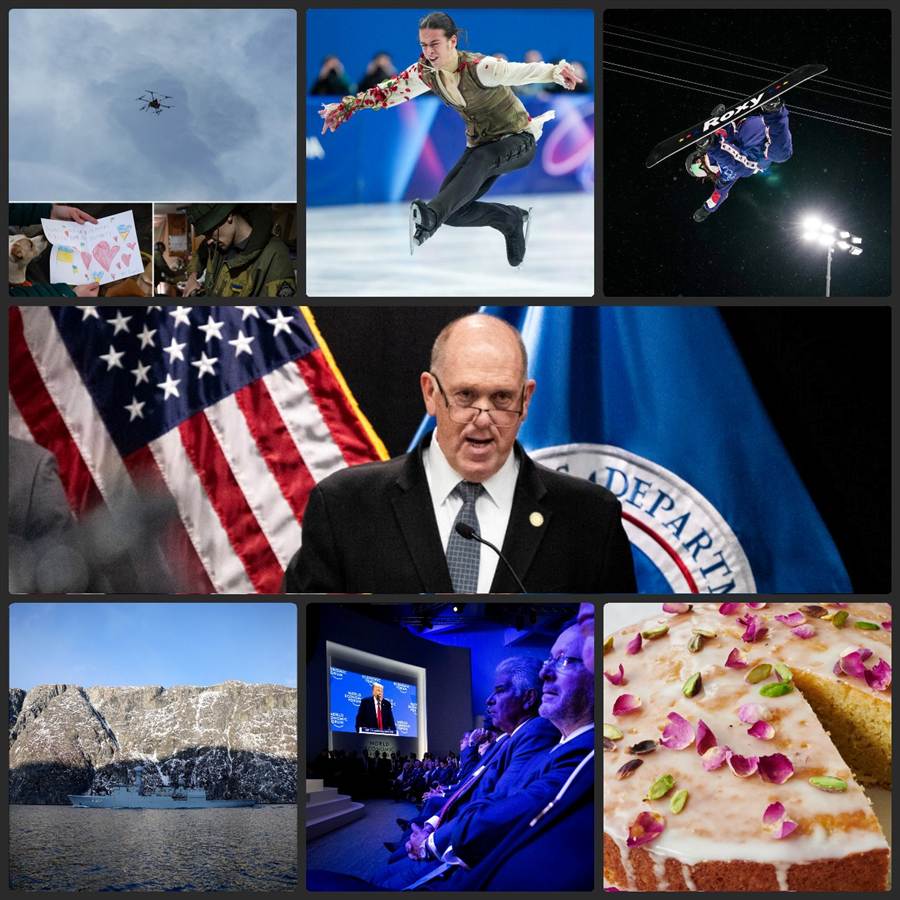
Guten Morgen, Welt! I’m at the Munich Security Conference. A year ago, at this same event, I was in the room when Vice President JD Vance stunned European leaders by accusing them of destroying their own democracies. A month ago, we all heard his boss, President Trump, threaten to invade Greenland.
It’s become something of a cliché to talk about wake-up calls for Europe when it comes to its relationship with the United States. There have been so many! So has Europe woken up? Today, my colleagues Steven Erlanger and Jim Tankersley take the trans-Atlantic temperature, one year after the speech that shocked the continent.
Also:
| The end of the Minnesota crackdown The victims of the Canada shooting Bake a Persian love cake |
A mix of wariness and defiance
By Steven Erlanger and Jim Tankersley
When Vice President JD Vance told the Munich Security Conference last year that America’s European allies were destroying themselves with immigration and unfairly barring the far right from power, it was a shock to the trans-Atlantic alliance.
It was also just a preview of the year to come.
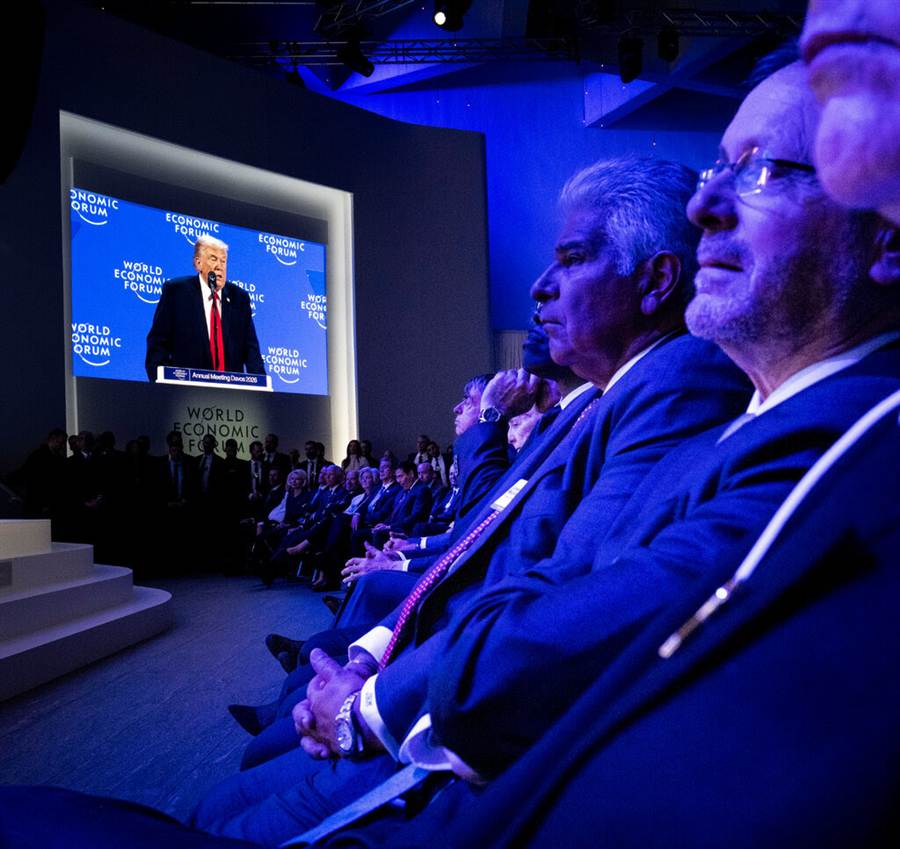
In the months since, President Trump has imposed tariffs on European goods. He pushed to end the war in Ukraine on terms largely favorable to President Vladimir Putin of Russia and threatened to pry Greenland from Denmark by any means necessary. He mocked European leaders in a bullying speech in Switzerland, declaring that Europe would be nothing without the U.S.
It has been a dizzying unraveling of the friendship that bound the West together for three-quarters of a century, since World War II.
So, how do European leaders feel now, as they prepare to meet again in Munich starting today, for Europe’s largest annual gathering of politicians and security officials? We’ve been asking around, and what we’ve found is a mix of wariness and defiance.
There is no going back
Diplomats and heads of state across the continent say they no longer expect relations with America to revert to a pre-Trump normal, even after Trump leaves office.
In a report before the gathering, staff at the security conference called Trump a “wrecking ball” and one of the “demolition men” destroying the norms and institutions of the international order. Last month, Prime Minister Mette Frederiksen of Denmark questioned how long America would remain a European ally.
“Trans-Atlantic relations have changed, and no one in this room says this with more regret than I do,” Chancellor Friedrich Merz of Germany, who will open the Munich conference with a speech, said last week. “But nostalgia and reminiscing about bygone better times won’t help us.”
Europe’s leaders have often sought to mollify Trump by flattering his ego and giving him small wins, and it’s a strategy they’re still pursuing. They’ve pledged to increase military spending within NATO, one of Trump’s longtime goals. They called Trump the only leader in the world who could broker peace in Ukraine — in an effort to steer him away from Putin’s influence.
They cut a hasty trade deal to limit the damage from Trump’s tariff threats. And last month, they promised to bolster NATO’s defense of the Arctic, in an apparent effort to stall Trump’s attempts to take Greenland from Denmark.
But even as they do all this, they’re accelerating efforts to reduce their military and economic dependence on the U.S.
 |
| A Danish Navy ship on patrol near Greenland last month. Stoyan Nenov/Reuters |
A startling survey
Trump administration officials see things differently. They say Trump is pushing Europe to be a stronger, more self-sufficient partner — but still a partner — after decades of relying on American troops and nuclear weapons. Matthew Whitaker, the American ambassador to NATO, suggested in Berlin this week that the administration viewed Europe as a child that had grown up and needed to find a job.
“We’re not asking for European autonomy,” he said. “We’re asking for European strength.”
Most European leaders still say the trans-Atlantic alliance needs preserving. German officials suggested this week that Merz would use his Munich speech to build out a new vision for Europe’s role in the partnership — one that rests on increased military spending; stronger economic growth; and deepened ties with other partners, like India, Africa and swaths of the Middle East.
Wolfgang Ischinger, the chairman of the Munich conference, said he hoped it would begin two processes: repairing the U.S.-Europe relationship and pushing Europe to act concretely to reduce its dependencies on America.
But it’s not just America’s relationship with Europe’s leaders that’s broken. The European public has turned on the U.S.
The latest Cluster17 survey of 7,498 people from seven European countries, conducted in January for Le Grand Continent, a French journal, was startling. A large majority backed sending European troops to defend Greenland, if tensions there escalate. Fifty-one percent said Trump was an enemy of Europe; only 8 percent called him a friend.
Secretary of State Marco Rubio is the highest-ranking American official set to attend the conference and is scheduled to speak in Munich tomorrow. Officials across Europe were not certain what he would say, or if he would meet at the conference with representatives from the far-right Alternative for Germany party, or AfD, who were invited after being frozen out of recent conferences.
Several European officials said privately they did not expect a shock from Rubio on par with the one Vance delivered last year. But these days, they could not rule it out.
| MORE TOP NEWS |
The end of the Minnesota crackdown
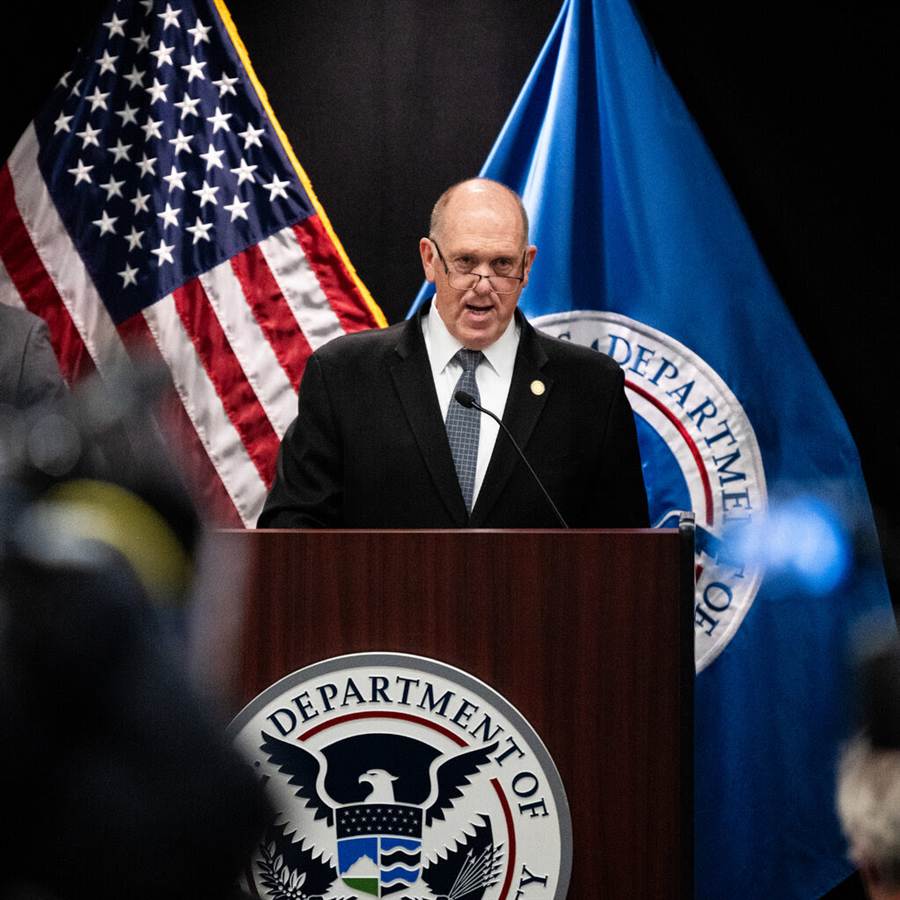
The Trump administration said yesterday that it was ending its deployment of immigration agents to Minnesota. The aggressive operation resulted in the shootings of three people, including two American citizens who were killed, and thousands of arrests.
Gov. Tim Walz of Minnesota said he was “cautiously optimistic” after the announcement but said that the operation, which has lasted more than two months, had left “deep damage, generational trauma” and “economic ruin.”
| OTHER NEWS |
| The names and lives of some of the young victims in the mass shooting in Canada have begun to emerge. Here’s what we know about the investigation. |
| The son of a military general who founded one of Bangladesh’s largest parties is set to become the next prime minister after his party claimed victory in a pivotal election. Here’s where the Gen Z movement that led to his rise stands today.Trump ended the U.S. government’s power to fight climate change by erasing a bedrock scientific finding that greenhouse gases threaten human life.A former prime minister of Norway with ties to the convicted sex offender Jeffrey Epstein was charged with “gross corruption” by Norwegian authorities.Prime Minister Narendra Modi of India is facing blowback over his trade deal with Trump.A South Korean court ruled against three women who challenged male-dominated inheritance practices at one of the country’s largest conglomerates. |
WHAT ELSE IS HAPPENING
| A study found that the traditional way of searching for eggs in fertility treatments misses many of them, but a new method could improve the process.For the first time, astronomers observed the rotation of a comet reversing as it happened. |
Top of The World: The most clicked link in your newsletter yesterday was about the mass shooting in Canada.
| WINTER OLYMPICS |
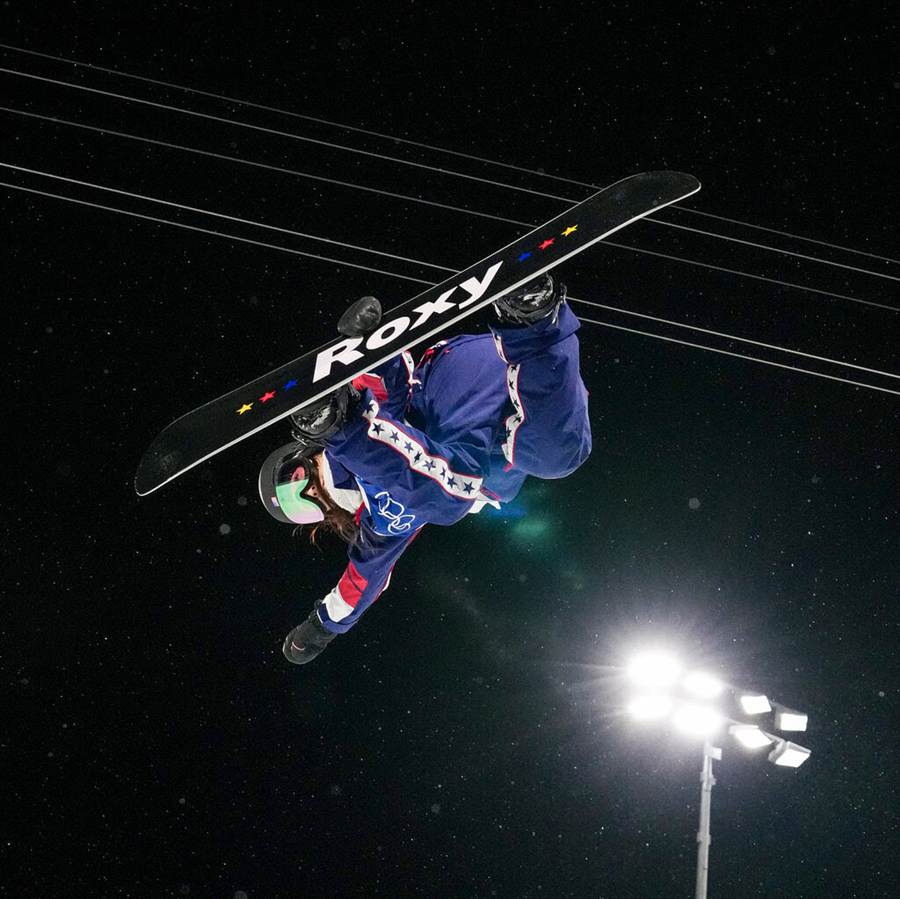
Snowboarding: Chloe Kim lost her chance at Olympic history after coming in second to the 17-year-old Choi Gaon of South Korea in the halfpipe. See how she did it.
Speed skating: Francesca Lollobrigida of Italy won the 5000m event by one-tenth of a second to secure her second gold medal.
Hockey: Canada began its quest for gold with a decisive win over the Czech Republic.
Skiing: Elis Lundholm of Sweden became the first transgender athlete to participate in the Winter Olympics.
Skeleton: A Ukrainian athlete was disqualified over his plans to wear a helmet honoring countrymen killed in the war with Russia.
Who really leads the medal count? These charts break it down.
| WORD OF THE DAY |
Skedaddle
— Language is evolving faster than ever. Slang terms are usually newly coined, but as of late, some older words — like skedaddle, yap and diabolical — have re-emerged. Our columnist explains why.
| MORNING READ |

Going for gold at the Olympics requires talent, dedication and a lot of hard work. And maybe a good copyright lawyer, too.
Olivia Smart and Tim Dieck, for example, who represent Spain in ice dancing, prepared a program with music from the recent “Dune” movie. But when they arrived in Milan, they still didn’t have permission to use it.
“Tim was, like, ‘Maybe I’ll message Hans Zimmer myself,’” Smart said, referring to the movie’s composer. The permission came through just before the competition. Others have had to switch performance music at the last minute. Read more.
| AROUND THE WORLD |
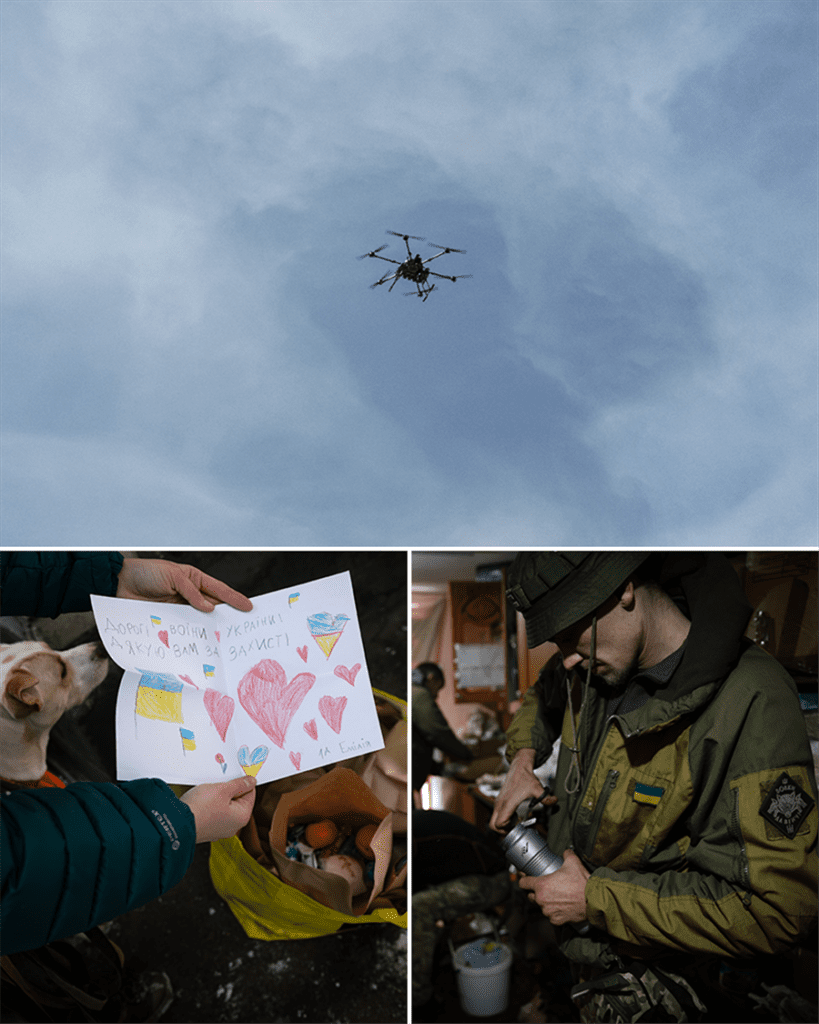
Drones can deliver cookies
Drones are synonymous with death and destruction in Ukraine, but some are also delivering sweet treats to Ukrainian soldiers on the front lines. “Mama drones” can easily switch from killing enemy soldiers to airdropping provisions and creature comforts: oatmeal cookies, smoked bacon, wet wipes, a chocolate hazelnut birthday cake.
“We try to make it a bit nicer for them, to lift their spirits, so they don’t feel too down out there,” said one soldier preparing care packages to send to the eastern Dnipro region. “Even small things matter.” Here’s how the system works.
| RECIPE |

The origins of Persian love cake, a fragrant and tender cake adorned with rose petals, are shrouded in a tale of unrequited love between a prince and a girl who finally won his heart by baking it for him.
