
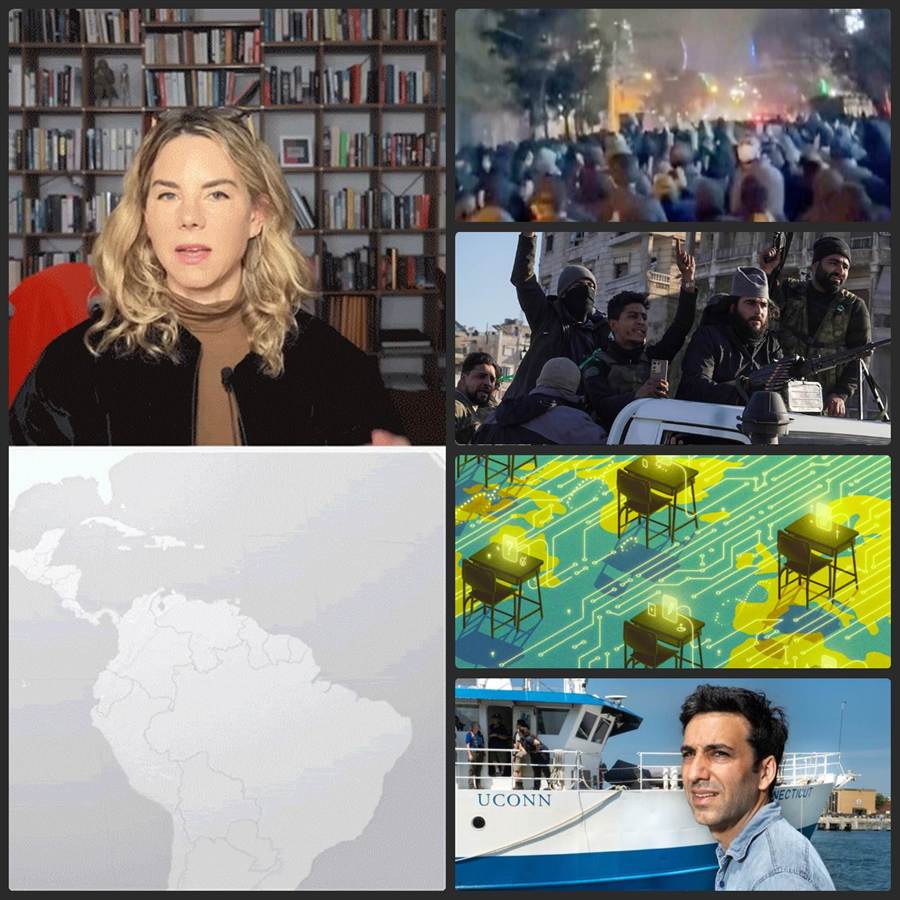
Good morning, world! Antigovernment protests in Iran that started late last year spread across the country last week. They continued over the weekend even in the face of an escalating crackdown by the authorities; rights groups estimate that hundreds have been killed.
Iran’s theocratic rulers have faced mass protests before. But this time around, something new is looming in the minds of both the protesters and the government. That something is Venezuela. Today I write about how events half a world away may be influencing what’s unfolding in Iran.
Also:
| Syria’s military in Aleppo after clashesGolden Globe winners |
The protests in Iran and Trump’s threats
Iran’s antigovernment protests were already underway when a surprise U.S. operation toppled the Venezuelan president.
The drivers of the protests are primarily economic. The country has been crippled by sanctions and years of financial mismanagement and corruption. Prices have soared. A falling currency has eroded savings. Unemployment is high. Life for much of the population has become increasingly difficult.
The crash of the Iranian rial on Dec. 28 was the last straw. The fact that it was Tehran’s bazaar merchants who helped kick off the protests was symbolically charged — bazaar merchants were also central to the protests that led to the 1979 revolution. Demonstrations have since spread to universities and poorer towns far from urban centers, generating images of government buildings on fire and prompting the authorities to shut down the internet.
It’s a bad time for Iran’s leadership to be facing a mass movement. It has been weakened militarily. The Assad regime in Syria has fallen. Other regional allies, liked Hamas in Gaza and Hezbollah in Lebanon, have been decimated by Israel. And tensions remain high after a 12-day war in June with Israel that saw brief U.S. involvement; early on in the protests, President Trump warned that the U.S. was “locked and loaded” if any peaceful protesters were killed.
Then the U.S. attacked Venezuela — like Iran, a member of an anti-American axis with China and Russia as partners — and seized its president, Nicolás Maduro.
Not long after, Trump doubled down on his threats toward Tehran. “If they start killing people like they have in the past, I think they’re going to get hit very hard by the United States,” he said last Sunday.
We know from human rights groups that people have been killed; we’ve since learned Trump is “seriously considering” strikes. One question now hangs over the country: Is Iran the next target of an emboldened U.S. president?
 |
| An image from a social media post on Saturday showed demonstrators in Tehran. UGC, via Associated Press |
‘On everyone’s mind’
I spoke to my colleague Erika Solomon, who has been covering the story. She told me Venezuela has been a huge topic in Iran. It was intensely covered on state television and mentioned by Iranian officials in online posts and articles.
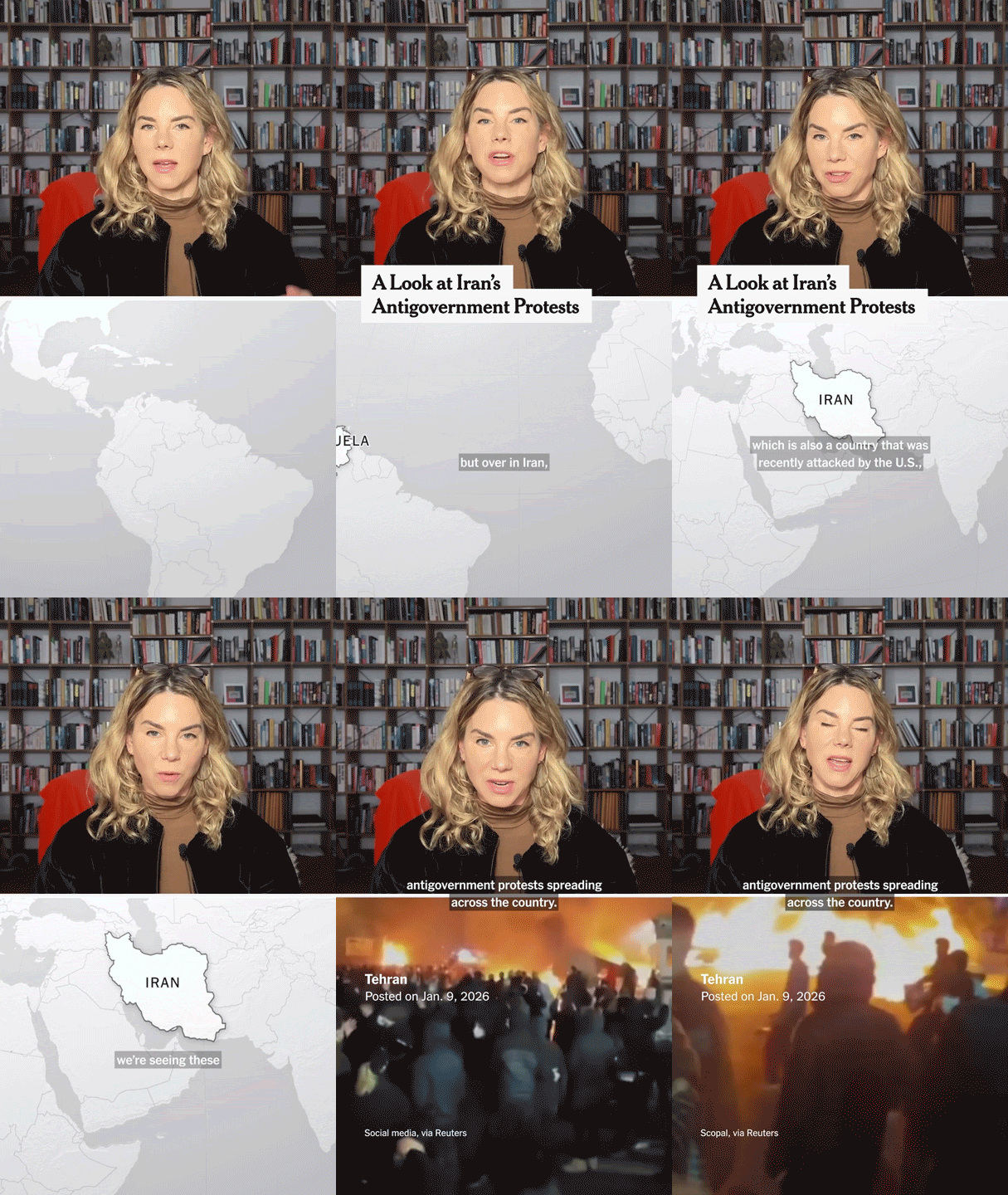
“Iran’s leadership is very anxious about what happened,” Erika told me. “Protesters are equally aware. It’s very much on everyone’s mind.” (You can watch our conversation in the video above.) Erika and other colleagues spoke to protesters in Iran by phone, who said these protests felt far more dangerous for the Islamic Republic than those in the past.
Events in Venezuela revealed three things: that Trump is unafraid to use military power to remove a leader he doesn’t like; that he will seize tankers in international waters to choke off oil revenues; and that Russia and China, Venezuela’s — and Iran’s — allies are unable or unwilling to intervene.
In the past, the Iranian government has relied on ruthless force to suppress protests, and by yesterday earlier signs of restraint seemed to have evaporated. Information about the protests is hard to obtain, but the death toll appears to be rising fast.
Still, cracking down hard this time around may involve a different set of calculations.
“Trump openly threatening that he will intervene is essentially making a case that whatever happens in Iran domestically could be a cause for an attack,” said Vali Nasr, a professor of Middle East studies at Johns Hopkins and an Iran expert.
The protesters Erika and other colleagues spoke to said they didn’t expect U.S. forces to conduct a similar operation against Ayatollah Ali Khamenei, the current supreme leader. But they believed the Venezuela attack had their government rattled.
“There’s maybe a sense that we can push this, we can stand a little harder because the government is definitely watching how the U.S. might respond,” Erika said.
Open questions
Of course, we’re still waiting to see how events in Venezuela ultimately play out. One thing Iran’s protesters are conscious of is that U.S. involvement in Venezuela did not lead to the end of the system itself — just the end of Maduro, said my colleague Farnaz Fassihi, who is also covering the protests. The country is now being run by his former vice president.
And one thing that Iran’s government is almost certainly conscious of is that while the Venezuela operation might have put anti-American governments like Iran’s on notice, there remains one country on America’s enemies list that seems to have less reason to worry, said Ellie Geranmayeh, an expert at the European Council on Foreign Relations. That would be North Korea, with its nuclear weapon — something Iran’s regime, if it survives these protests, may be more incentivized to obtain than ever.
Read more on Iran’s mass protests.
| MORE TOP NEWS |
The Syrian military moved into parts of Aleppo after clashes
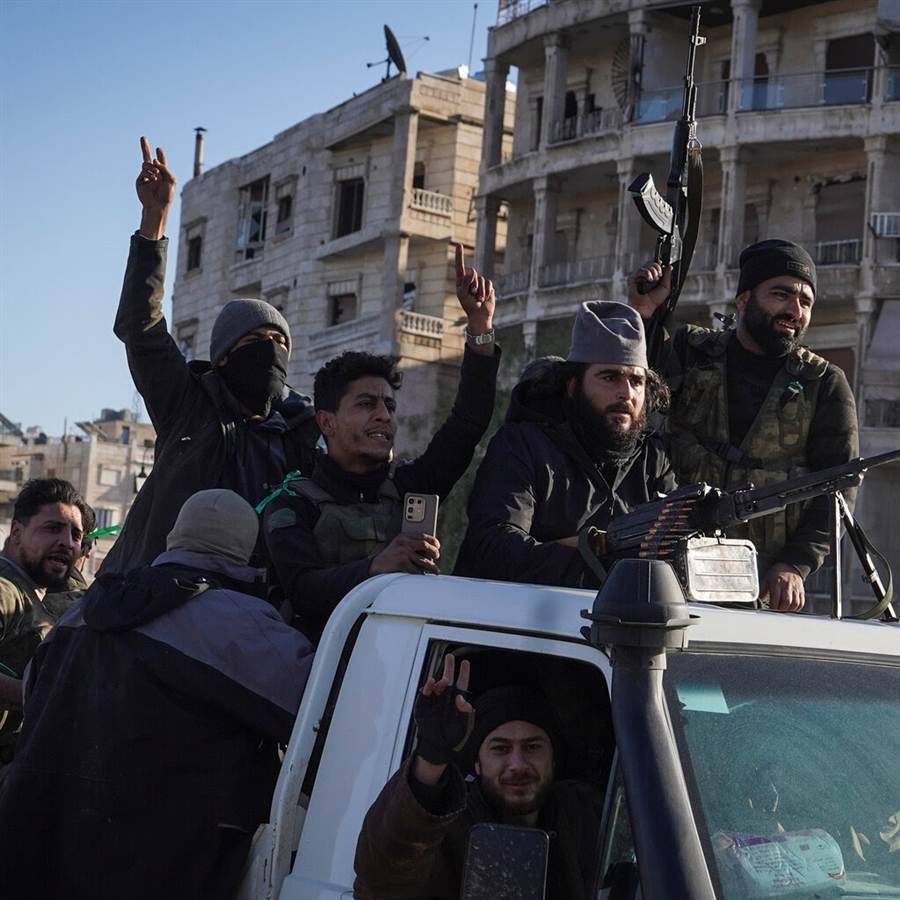
Two neighborhoods in Aleppo, one of Syria’s biggest cities, were under the control of Syrian government forces yesterday after fighters from a Kurdish-led militia left the city, ending several days of clashes.
Their retreat brought calm to Aleppo after one of the worst outbreaks of violence since the end of the civil war in December 2024. At least 24 civilians were killed in the fighting, and more than 120 were injured.
On Saturday, the U.S. conducted major airstrikes against Islamic State targets throughout Syria. The operation followed up on an even larger strike last month to avenge the killing of two U.S. Army soldiers and a civilian interpreter in Syria.
| OTHER NEWS |
| Mounting outrage over an ICE agent’s killing of a woman in Minneapolis spilled into streets across the U.S. during protests. The homeland security secretary said more agents would be sent to the city. |
| Wildfires in Australia have killed at least one person and destroyed dozens of homes.Israeli police detained one of Benjamin Netanyahu’s top aides over accusations that he had sought to impede an investigation into the leak of a classified military document.Indonesia and Malaysia are blocking access to the A.I. chatbot Grok after it generated sexually explicit images of real people.Nearly 13,000 Irish passports are being recalled after they were found to not be fully compliant with international travel standards.European officials are working behind the scenes to draft responses to Trump’s threat to seize Greenland.Bob Weir, the guitarist and founding member of the Grateful Dead, died at 78. Here are some of his most notable performances.At last night’s Golden Globes, “One Battle After Another” took home best comedy, “Hamnet” won best drama and “The Secret Agent” secured best non-English language film. See the list of the winners and photos from the evening. |
| SPORTS |
Football: Manchester United has been eliminated from the F.A. Cup after losing to Brighton.
Formula 1: Ferrari released its new car’s name.
| DISCOVERY OF THE DAY |
Poison from 60,000 years ago
— Researchers have found poison residues on arrow tips unearthed in South Africa that are the earliest known trace of poison use. The finding reinforces the view that “people 60,000 years ago were as complex as we are today,” a researcher said.
| MORNING READ |
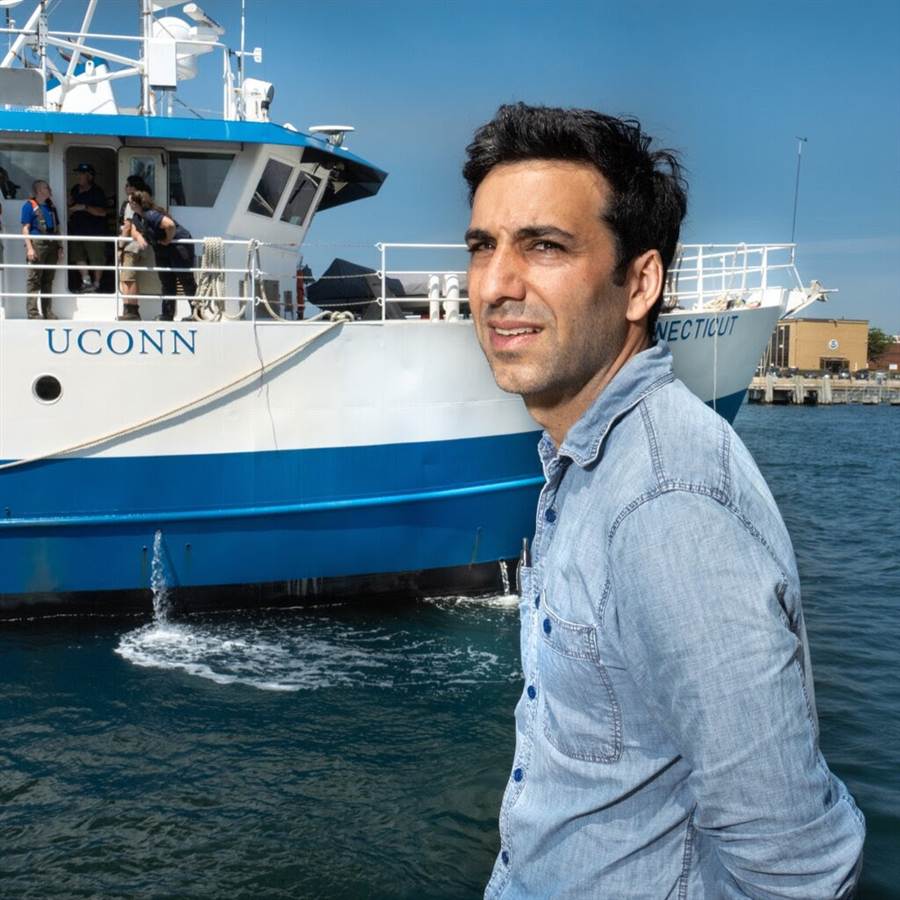
Our oceans are a huge natural buffer against climate change. They’ve absorbed about a third of our carbon emissions since the start of the industrial age. But as more and more carbon dioxide from the atmosphere dissolves in seawater, it creates acid. That’s changing the ocean’s chemical balance in ways that could threaten marine life.
So some scientists are experimenting with ways to counteract rising acidity in the seas by mixing chemicals into the water — essentially, creating antacids for the sea. Entrepreneurs often justify this kind of geoengineering as a necessary response to a global emergency. But many other researchers and environmentalists say two key questions should be answered before putting it into practice: Is it actually effective? And is it safe? Read more.
| AROUND THE WORLD |
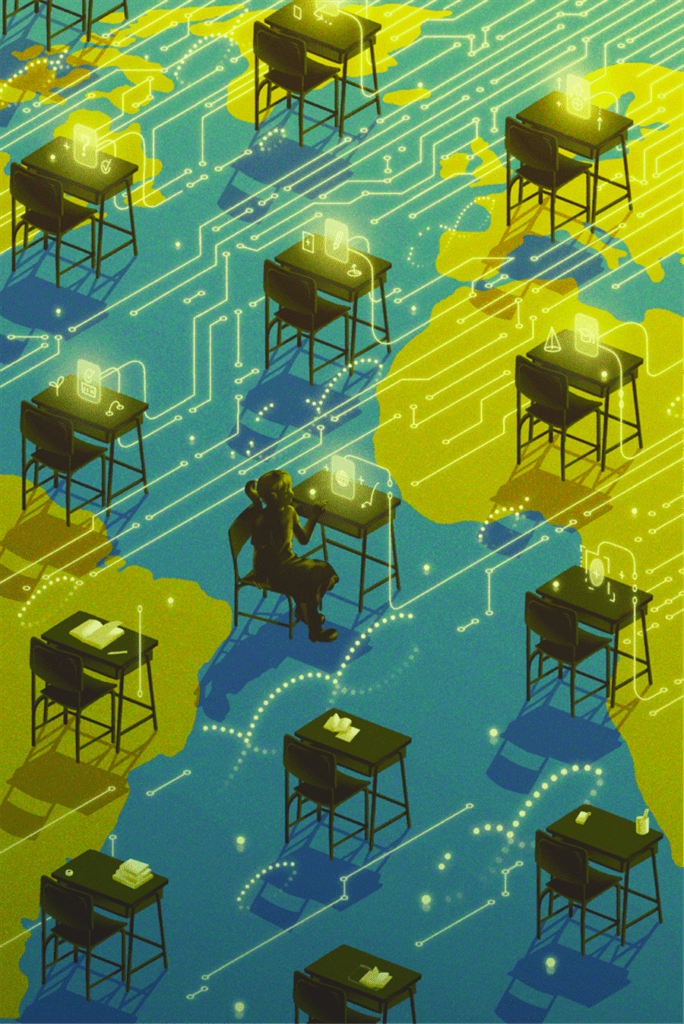
The global race to get A.I. into schools
Late last year, xAI, which Elon Musk owns, announced a huge project with El Salvador: the development of an A.I. tutoring system for more than a million students. It’s one of many projects that governments around the world, in concert with U.S. tech companies, plan to roll out in schools and universities.
Tech leaders say chatbots can save teachers time, customize student learning and prepare young people for an A.I.-driven future. Others aren’t so optimistic. A recent study found that chatbots may diminish critical thinking. And then, there’s the matter of A.I.-assisted student cheating. Read more.
| RECOMMENDATIONS |
Watch: “Riot Women,” a British TV show, follows an all-female band navigating the challenges of middle age and menopause.
Read: “This Is Where the Serpent Lives,” a tale of class conflict and ambition in Pakistan, is one of five new books our critics love.
Decorate: Choose a single point of inspiration, like a work of art or a rug, to create a cohesive color scheme for your home.
Rest: Here’s why sleeping on a consistent schedule is important for your health.
| RECIPE |
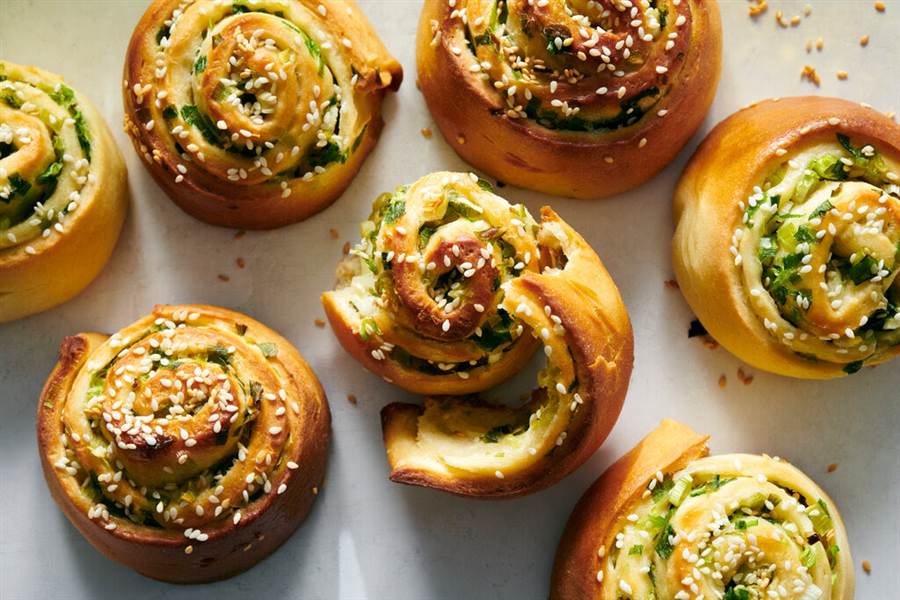
Chinese scallion pancakes take the form of baked buns in this recipe: crisp on the outside and tender within. Sizzle scallions in hot oil to bring out their savory side, and then spiral them into a dough. Bake the buns right before serving so you can pull apart the hot, soft layers and inhale the fragrant steam before taking a bite.
