
| March 5, 2026 | By Katrin Bennhold |
Good morning, world. This week, we asked you to submit your questions about the war in Iran. Thanks for sending in so many smart ones. It’s a fast-moving, complicated story, and some of your questions were my questions, too. We answer them below with help from my colleagues.
Also:
| The Mideast crisis widens Ethiopia-Eritrea tensions FIFA’s World Cup dilemma |
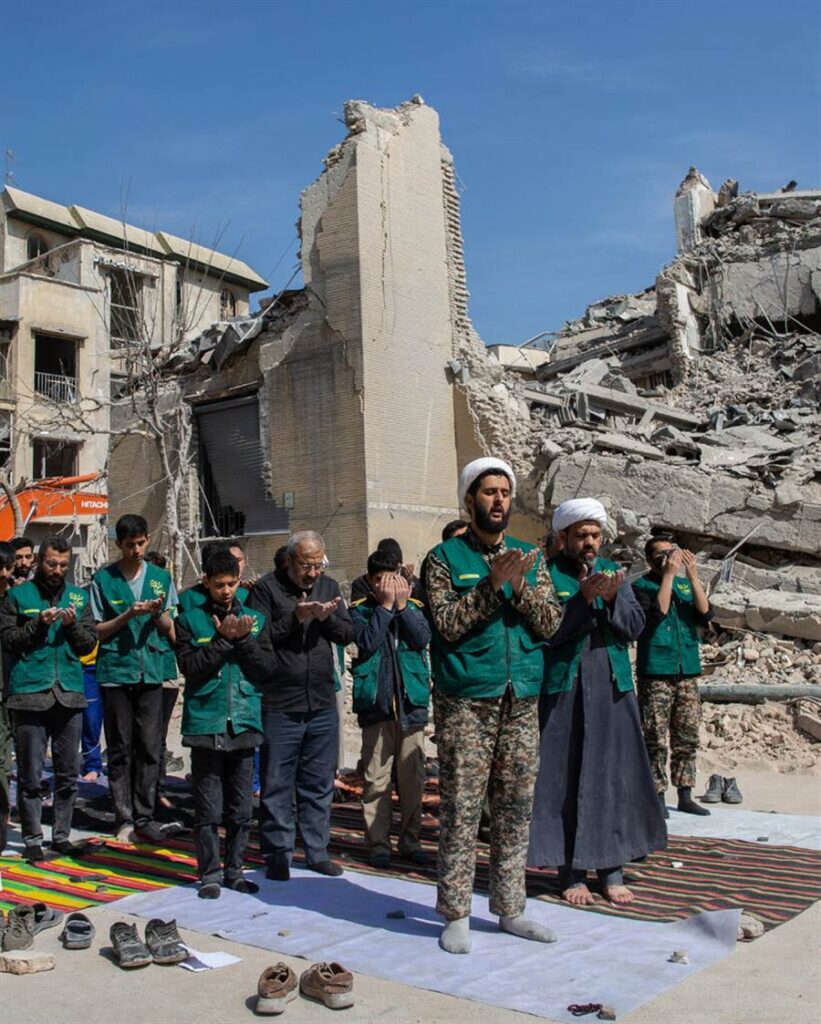
| People praying in front of the rubble from a U.S.-Israeli airstrike in Tehran yesterday. Arash Khamooshi for The New York Times |
Your Iran questions, answered
What explains Trump’s turnabout on foreign wars and nation building? — Eloise Gore, United States
Peter Baker, who covers the White House, writes:
There are a number of theories, but three factors I think are particularly important: One is that after five years in office, he’s much more comfortable in the presidency — and more comfortable with the use of power, both at home and abroad. The second is that he is now surrounded by advisers who either encourage his most aggressive instincts or at least see their role as facilitating his desires. And finally, as he approaches his 80th birthday, he seems increasingly focused on his place in history, looking to make sweeping changes here and overseas, toppling foreign leaders, taking over other countries or territories, literally redrawing the map of the planet.
Do Israel and the United States have the same objectives in attacking Iran? — Giovanni Cavarzere, Italy
Michael Crowley, who covers diplomacy, writes:
Both the United States and Israel intend to devastate Iran’s nuclear and ballistic missile capabilities. But Israel appears more committed to a campaign lasting weeks to bring down Iran’s theocratic regime, while Trump’s priorities have repeatedly shifted. He has said he might be open to cutting a deal with the current government that would stop the war sooner. After the secretary of state said the United States struck because an Israeli attack seemed imminent, Trump insisted that Israel didn’t drag him into the war.

After the operations in Venezuela and Iran, it’s clear Trump will remove the leaders of nations that oppose him, particularly those with oil reserves. What countries might be next? — Camryn Phillips, United States
Frances Robles, who covers Latin America and the Caribbean, writes:
Those episodes have raised fears (and hopes for some people!) in Cuba. We talked to people who live near a military installation in Havana who told us that Cuban counterintelligence agents had begun drawing up evacuation plans for nearby civilians. Most Cubans are eager for change but wary of military action. Still, they think their country might be on Trump’s list of targets.
What are the options for regime change in Iran? Would the army side with the people to overthrow the Revolutionary Guards? Can the people of Iran act on their own to create democracy? — Lola Ams, France
Erika Solomon, who covers Iran, writes:
The military and security forces don’t seem to be cracking, but the war is only a few days old. Some military experts say that if strikes continue, they could encourage defections that fracture the system. But it’s hard for people to rise up under heavy bombardment. Later, they might be more worried about how to survive amid the country’s economic crisis. And any organizing will have to cover a lot of new ground. The government has long stifled dissent and criticism of the government.
 |
| A black flag raised over Tehran on Monday. Arash Khamooshi for The New York Times |
Is there another political party that could come into power that the United States and its allies would support? — Jennifer Close, United States
Erika writes:
It’s probably better to think of this as political forces versus parties. If the government survives, it could go two ways: reformist figures from within push the country to take a more moderate line, maybe talking to Washington and even ending the nuclear program. Or the war — particularly if it becomes more chaotic and deadly — could radicalize people in a hard-line direction.
If the system collapses, a lot of political figures could want to come in. Perhaps most prominent lately has been the son of the deposed shah, Reza Pahlavi, whose father was ousted in the 1979 Islamic Revolution. He appeared to be gaining some popularity in antigovernment protests that were crushed in January. But the opposition in Iran is bitterly divided — which will make it hard for its members to unify under the banner of a clear alternative.
Has the United States ever carried out a forcible regime change that was successful, lasting and (eventually) sovereign? — Abby Peters, United States
Anton Troianovski, who covers foreign policy, writes:
Do you count Germany and the postwar Marshall Plan that brought it back to life? Some might point to Panama: A U.S. invasion in 1989 deposed the dictator Manuel Noriega. His successor, Guillermo Endara, was sworn in on a U.S. military base and helped lead the country to democracy. But that war involved thousands of American ground troops and left Panama’s economy in such ruins that Endara went on a hunger strike seeking emergency U.S. aid. Panama’s population back then was about two million. Iran’s is 90 million. The list of efforts that ended in chaos or defeat — Libya, Iraq, Afghanistan and beyond — underlines the huge risks.
The Times will continue to answer your questions about the war — and our coverage of it. Tell us what you want to know and we’ll find reporters and editors to weigh in.
The latest on Iran and the Middle East
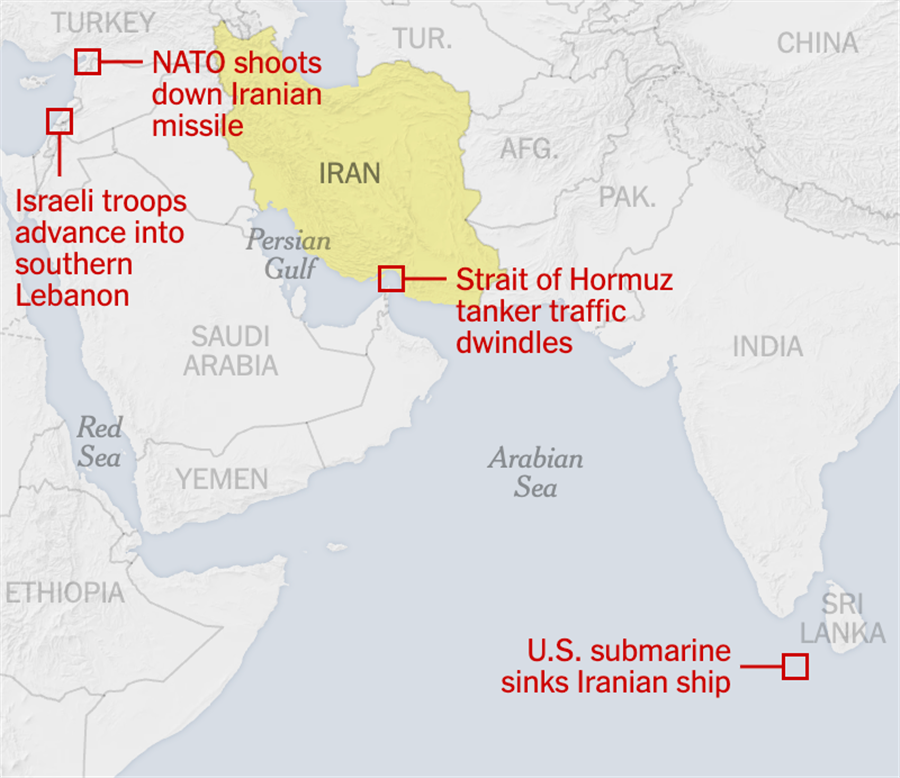
The U.S.-Israeli attacks on Iran are expanding into a wider international crisis. NATO air defenses shot down an Iranian ballistic missile headed toward Turkey. And a U.S. submarine sank an Iranian navy ship in international waters off the coast of Sri Lanka, killing at least 80 sailors, according to Sri Lankan officials.
Turkish officials said the ballistic missile was fired from Iran and flew over Iraq and Syria before it was intercepted by NATO air and missile defenses in the eastern Mediterranean. Its target was not disclosed. Though Turkey hosts U.S. forces at its Incirlik Air Base, it has said that it will not allow its airspace to be used for attacks on Iran.
| Iranian Kurdish forces, who are pro-American and based in Iraq, are preparing armed units that could enter Iran, according to Iraqi officials and senior members of Iranian Kurdish groups.In the U.S., Republicans in the Senate blocked a measure that would have limited Trump’s power to continue waging war without congressional authorization.China said it would send a special envoy to the Middle East to help conduct conflict mediation efforts. The United Kingdom, France and Greece said they were deploying military assets to the region to defend their citizens and interests.The U.S. said it was still investigating whether it was an American airstrike that hit a girls elementary school in Iran. The strike killed at least 175 people, according to state media and health officials.In Lebanon, Israel ramped up its attacks against Hezbollah and ordered civilians to flee north of the Litani, a river long seen as a front line in the conflict. |
| OTHER NEWS |
| The British police arrested a lawmaker’s husband on suspicion of spying for China.China set its economy’s growth target below 5 percent for the first time in more than three decades.Ethiopia’s demand for access to the Red Sea is driving fears of a new war with Eritrea. Both sides have moved troops toward their shared border.The entrepreneur Joichi Ito stepped down from a Japanese tech project after The Times reported on his ties to Jeffrey Epstein.Cuba’s tourism industry, a pillar of its economy, is collapsing as fuel runs out.Gunfire damaged a Toronto synagogue. No injuries were reported. |
WHAT ELSE IS HAPPENING
| Sarah J. Maas, author of the best-selling “romantasy” series “A Court of Thorns and Roses,” announced that two new books in the saga would be released in October and January.Top of The World: The most clicked link in your newsletter yesterday answered the question: “Why does drinking mess with my emotions?” |
| SPORTS |
World Cup: FIFA is facing an unusual test: what to do when a tournament host goes to war? Here’s what might happen if Iran doesn’t play.
F1: Ferrari’s stunning starts suggest a critical advantage that rivals can’t match.
Tennis: The ATP Tour canceled two tournaments in the United Arab Emirates because of security fears.
| SHINY OBJECTS OF THE DAY |
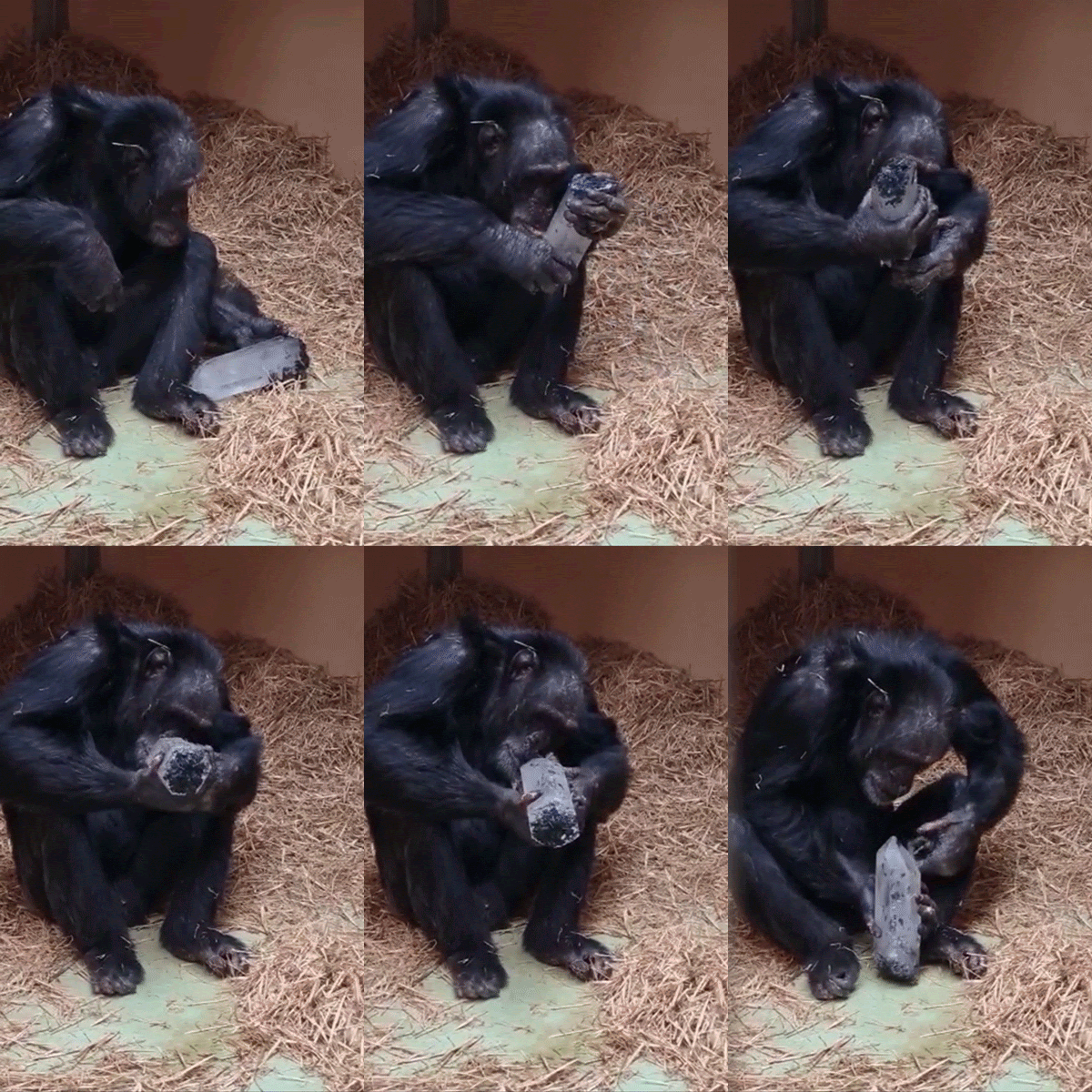
Chimps are really into crystals.
Researchers wanted to understand why primates, including humans, are so attracted to quartz, calcite and other crystalline minerals. They gave a series of crystals to chimpanzees, and the chimps went crystal cuckoo, refusing to give them back unless they received large quantities of treats like bananas and yogurt in exchange. Read more here.
| MORNING READ |
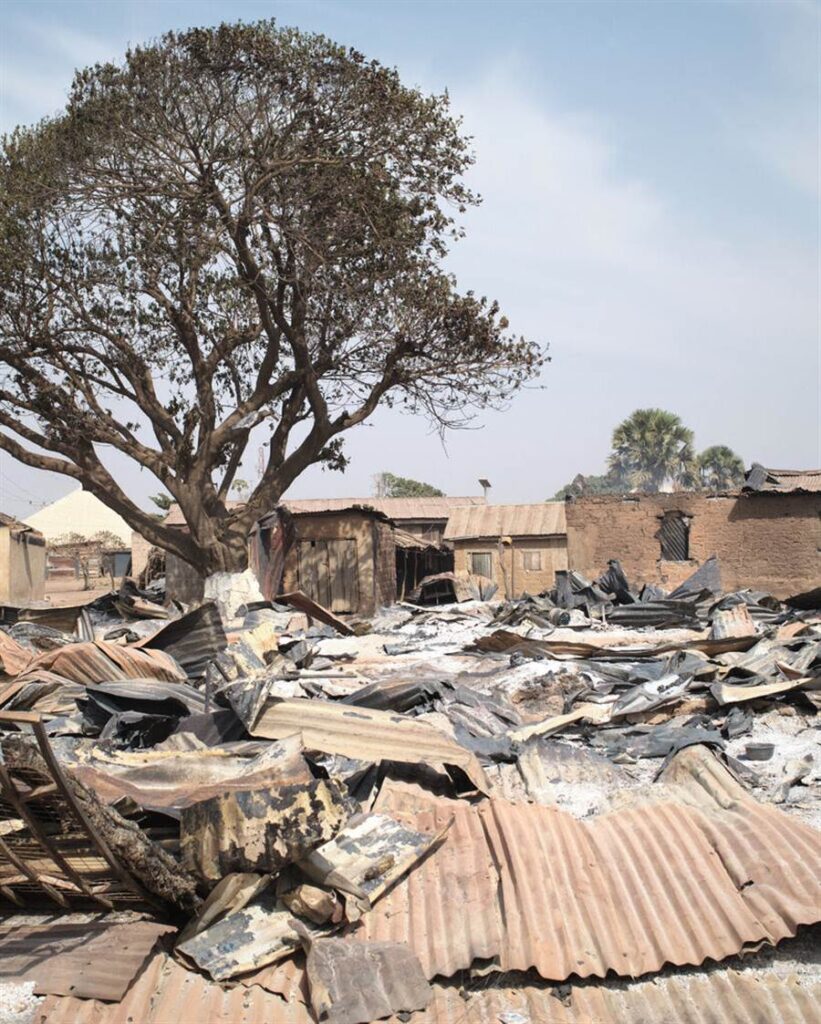
When the village chief of Woro, Nigeria, received a threatening letter in January from the Nigerian terrorist group Boko Haram, he immediately informed the country’s equivalent of the F.B.I., he said. Three weeks later, attackers brutally assaulted his and a neighboring village, massacring as many as 200 people in about 10 hours. Security forces arrived only after the attackers had left, he said.
Nigeria has one of Africa’s most feared and heavily funded militaries, known for peacekeeping and helping prevent coups outside its borders. But at home, experts say it has repeatedly failed to stop abductions and fatal attacks that happen almost daily in rural areas. Read more about the deadly cost of the Nigerian military’s inaction.
| AROUND THE WORLD |
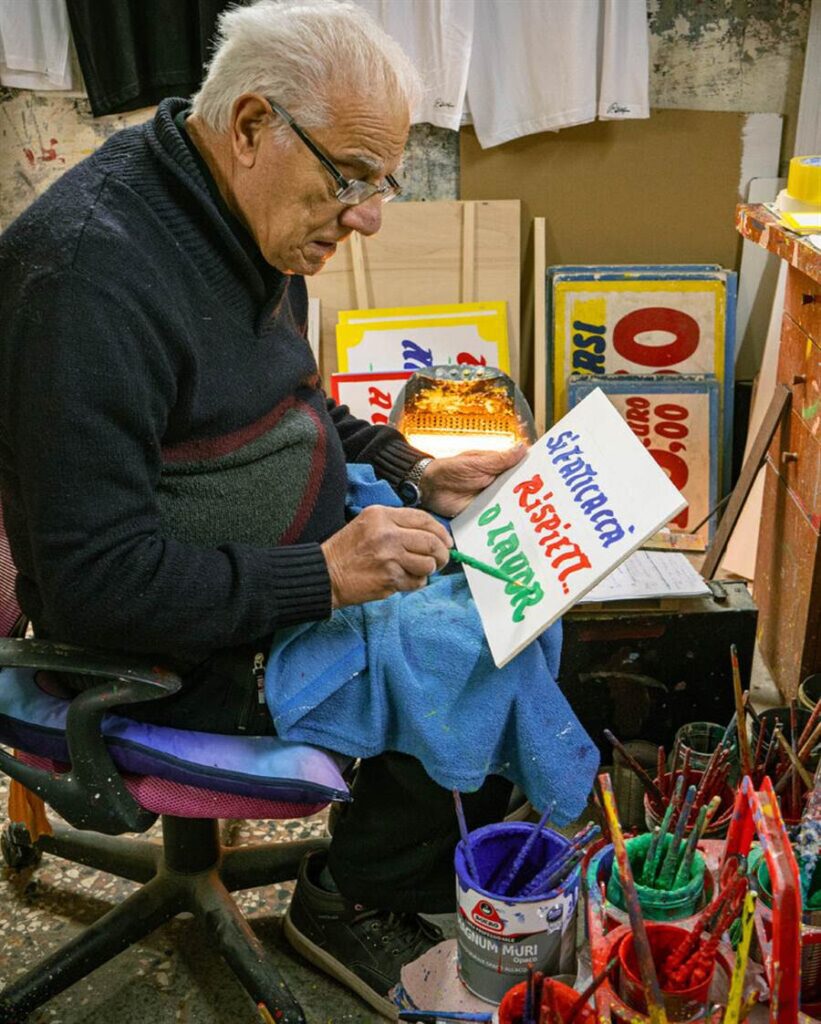
The last sign painter in Naples
Neapolitan street vendors announce their Mediterranean bounties of clementines, artichokes and other goods with cheerful, hand-painted signs in sun-bright lettering. These signs are emblems of the city’s vibrancy — and its history.
Pasquale De Stefano is, by consensus, the last living numeraio, or number painter, in Naples, Italy. At 77, he paints in the same bare and now crumbling workshop once used by his father and grandfather.
His trade emerged in the late 1800s, when itinerant sign painters invented an attention-grabbing style of primary colors and fat, serif lettering. Carrying their brushes and paints in baskets to markets, the painters executed signs on the spot. Like so many traditions in Naples, these vibrant signs are now at risk of vanishing. Read more.
| RECOMMENDATIONS |
Collect: Thinking about getting into vinyl? Take this advice for a spin.
Train: For a simpler workout, combine moves to exercise multiple muscle groups.
Read: “A Far-Flung Life” traces family tragedy on a vast Australian sheep farm — think “A Little Life” but with dingoes and willy-willies.
Wear: Relaxed shapes meet throwback details in spring’s most easygoing men’s styles.
| RECIPE |
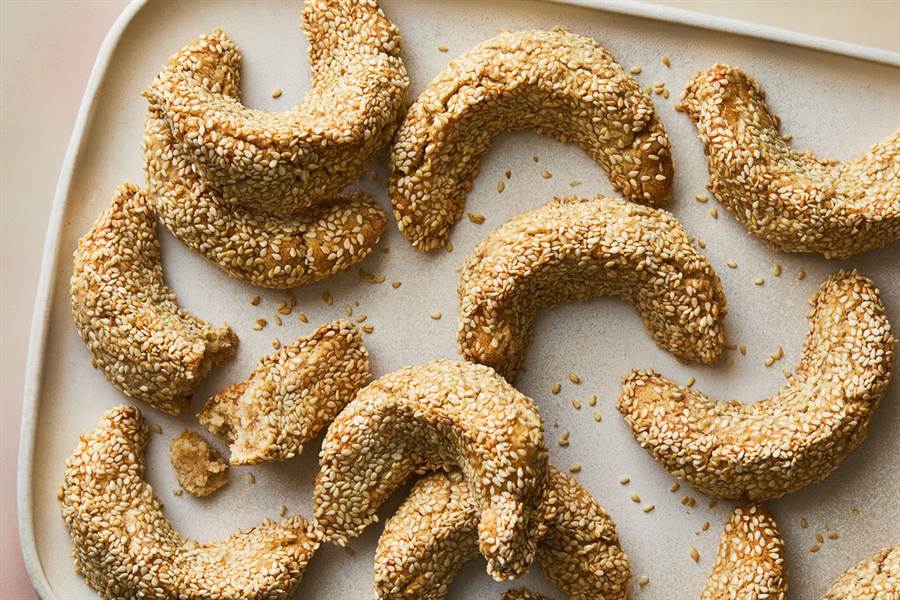
Beloved by many Moroccans, crescent-shaped kaab el ghazal cookies, also known as gazelle horns, are a staple at celebrations for Eid al-Fitr, which marks the end of Ramadan. Made from a fragrant almond-based dough, they’re flavored with orange blossom water and a hint of cinnamon. Enjoy with tea.
