
| April 17, 2026 | By Katrin Bennhold |
Good morning, world. My mum, a privacy-minded German in her 80s, hates using her credit card. She still carries around wads of cash to pay for everything: a coffee, her weekly supermarket shopping, even a plane ticket to visit me in Wales.
She would get along with Satoshi Nakamoto, the legendary inventor of Bitcoin who operates under a pseudonym and created the first cryptocurrency — a form of electronic cash that leaves no digital trace for banks and governments to follow.
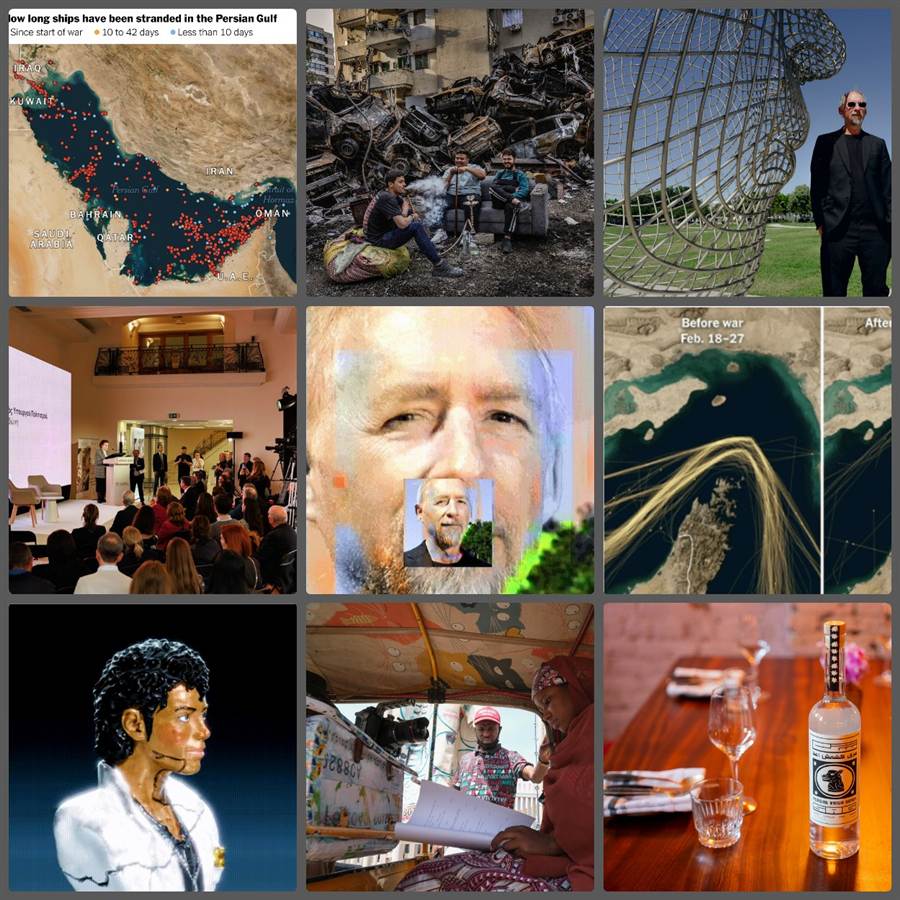
Nakamoto is a godlike figure in the crypto community. But who is he really? Countless people have tried to unmask him. My colleague John Carreyrou, an investigative reporter who uncovered the Theranos scandal, thinks he figured it out. I spoke to him about his investigation.
Also:
| Israel agrees to a cease-fire in Lebanon The pope is not backing down Welcome to Kannywood |
Unmasking Bitcoin’s creator
So John, I want to talk about your fascinating Bitcoin investigation. But before we start, can you just give me the 101 version of the Bitcoin origin story?
Bitcoin was a revolution in the world of finance. It was the first cryptocurrency and it has given rise to many others. And it was first laid out in a paper that appeared out of nowhere in an obscure corner of the internet in 2008.
The author, who identified himself as Satoshi Nakamoto, described his idea of a decentralized electronic currency that people can use to send one another money from all over the world with no fees, no banks and no government overseeing it.
OK, let’s talk about Satoshi Nakamoto. How did people become so obsessed with him?
People began suspecting pretty quickly that this was a pseudonym. And as the interest in Bitcoin grew — several hundred million people use it today — so did the interest in solving this mystery of his identity. I’ve personally been captivated by this mystery for a dozen years and I spent a year and a half on my story.
Why?
I think it’s in the public’s interest to know who created this technology that has upended our financial landscape. It’s being used for good — like giving people in countries with unstable currencies a reliable store of value — but it’s also used for many bad purposes because there is no oversight: Criminals use it for money laundering. Iran is using it to circumvent sanctions.
Is that why he didn’t want his identity known?
Well, there’s something very subversive about crypto. Currencies historically are controlled by governments. Bitcoin is under no one’s control. And so one likely reason Satoshi used a pseudonym was because he feared legal retaliation from the U.S. and other governments.
I think Satoshi also didn’t want people to treat Bitcoin as just another company with a product and a C.E.O. He wants Bitcoin to feel like a discovery, like digital gold — a digital commodity that was discovered and is mined from the ground of the internet. Not having a named founder with a human face helps with that story.
So how did you find him?
There is a British computer scientist called Adam Back who is a pretty influential and prominent person in the Bitcoin community. He’s been on the list of the top suspects for many years, but no one ever got close to proving it — and he’s always denied it.
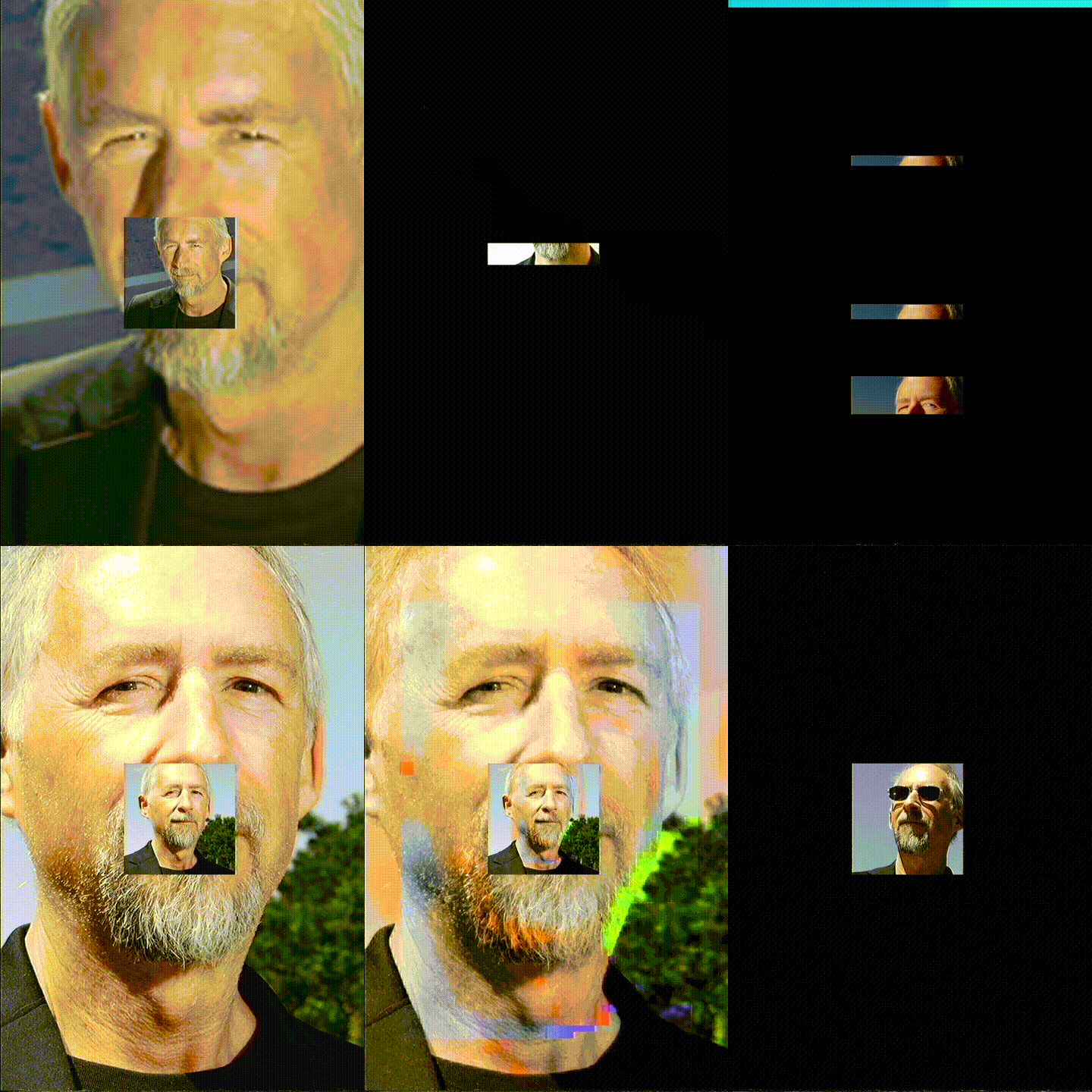
But when I analyzed his and Nakamoto’s writings side by side, I made a number of discoveries. One of them was that both were pathologically incapable of using hyphens correctly. They use hyphens when they’re not needed and don’t use them when correct grammar calls for them to be used.
And I figured this was a writing tic that we could perhaps track by doing a broader analysis with the help of A.I., so that’s what we did.
 |
| Amir Hamja for The New York Times |
How sure are you that it’s him? In your story, Back insisted he wasn’t Satoshi and chalked up the linguistic similarities to a series of coincidences.
He continues to deny it. But I’m between 99.5 percent and 100 percent sure. His denials felt pro forma to me, like he’s denying on the record so as to maintain plausible deniability.
I should say that the Bitcoin community has cultish undertones, and they have their god, Satoshi Nakamoto, and they don’t want anyone to put a human face and name on their god. They want to continue to think of this as a collective, non-hierarchical project, a decentralized electronic currency where no one is in charge. One of their favorite slogans is, “We are all Satoshi.”
So who is Adam Back?
He was a member of this group of privacy-minded anarchists in the ’90s who wanted to escape the control, the surveillance and the censorship of the government. They wanted a currency that was outside of governments’ control because they feared that as modern financial transactions got increasingly digitized there would be a computer record of every transaction you made, and that governments would use that to track you. They wanted to get around that by creating what they called “electronic cash,” a digital version of physical cash that you can’t trace.
Apropos cash, how much is he worth by now?
We know that Satoshi mined 1.1 million bitcoins in the first 16 months of the project. At current prices, that means he’s sitting on a fortune of about $82 billion, which would make him one of the richest people in the world.
You’ve met Back several times. What’s he like?
He’s the opposite of your typical crypto bro. He’s this mild-mannered, nerdy guy. He’s got slightly disheveled, thinning gray hair, a goatee and wire-rimmed glasses. He basically looks like a middle-aged computer scientist. He’s very pleasant to talk to.
Back in the ’90s, he would often write posts about the need to operate under an alter ego so as not to raise the suspicion of the government. This is someone who has been plotting this for a very long time.
| MORE TOP NEWS |

| Residents of central Beirut on Tuesday, near the site of Israeli air strikes. David Guttenfelder/The New York Times |
Israel agrees to a cease-fire in Lebanon
Celebratory gunfire illuminated the skies above Beirut as a 10-day cease-fire went into effect at midnight on Friday. The truce pauses fighting between Israeli forces and Hezbollah, the Iranian-backed militant group, and has the potential to remove a major hurdle in the broader peace talks between Iran and the U.S.
Although Hezbollah has signaled that it will abide by the truce, Lebanon’s government does not control the group. The talks that led to the agreement between Israel and Lebanon did not include Hezbollah, which said that its actions going forward would be “based on how developments unfold.”
In Sidon, Lebanon, displaced residents began to return to their homes. Car caravans filled roads and residents waved flags in celebration of the truce. More than one million residents, mostly in southern Lebanon, have been displaced by the fighting.
The slow-motion battle for the Strait of Hormuz
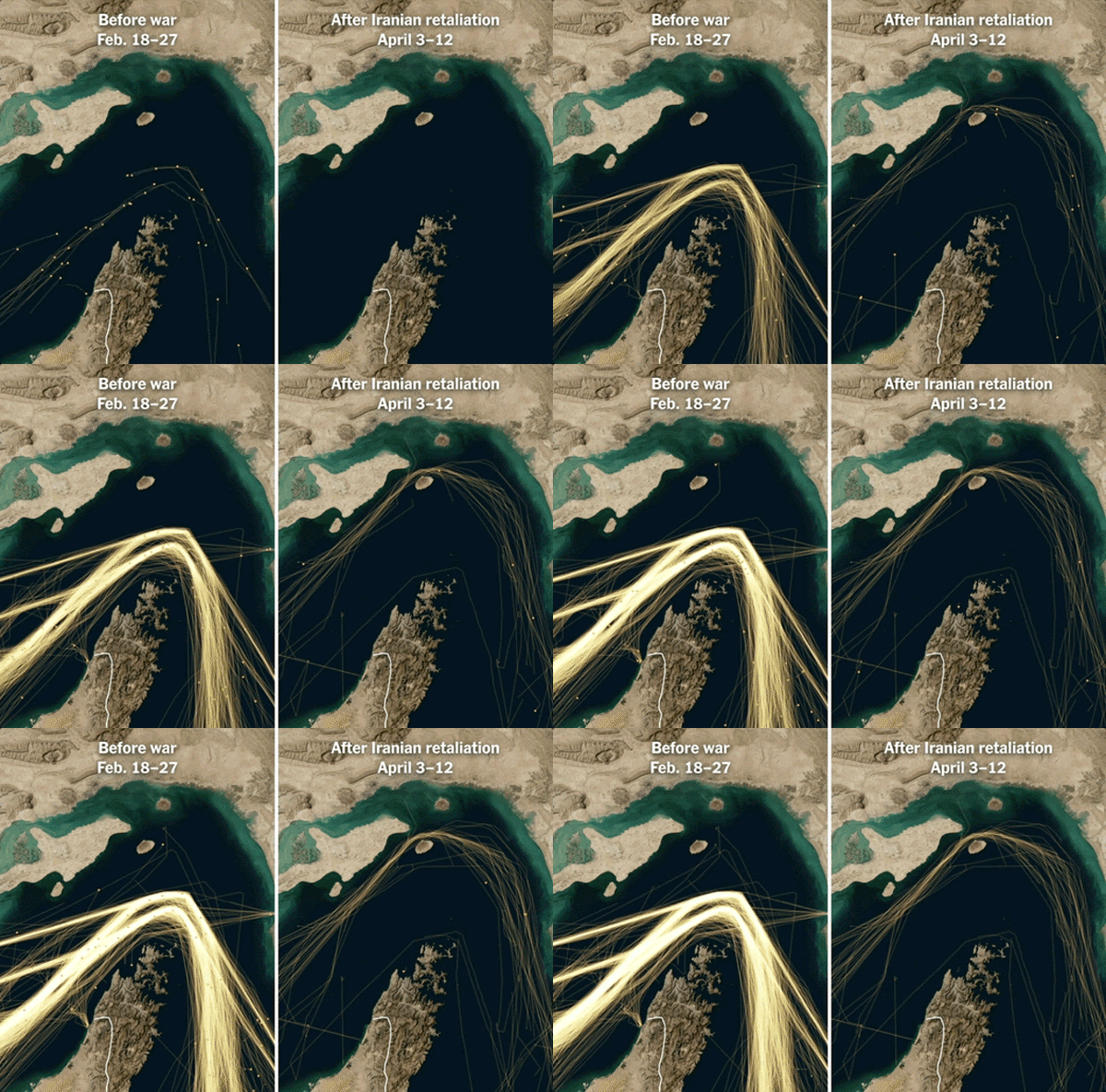
At the beginning of the war in Iran, Iranian threats hobbled and rerouted shipping through the Strait of Hormuz. Now the U.S. has mounted a blockade of its own, redrawing the board once again. To understand the complicated geography, check out these stunning graphics from my colleagues Josh Holder, Adina Renner and Blacki Migliozzi.
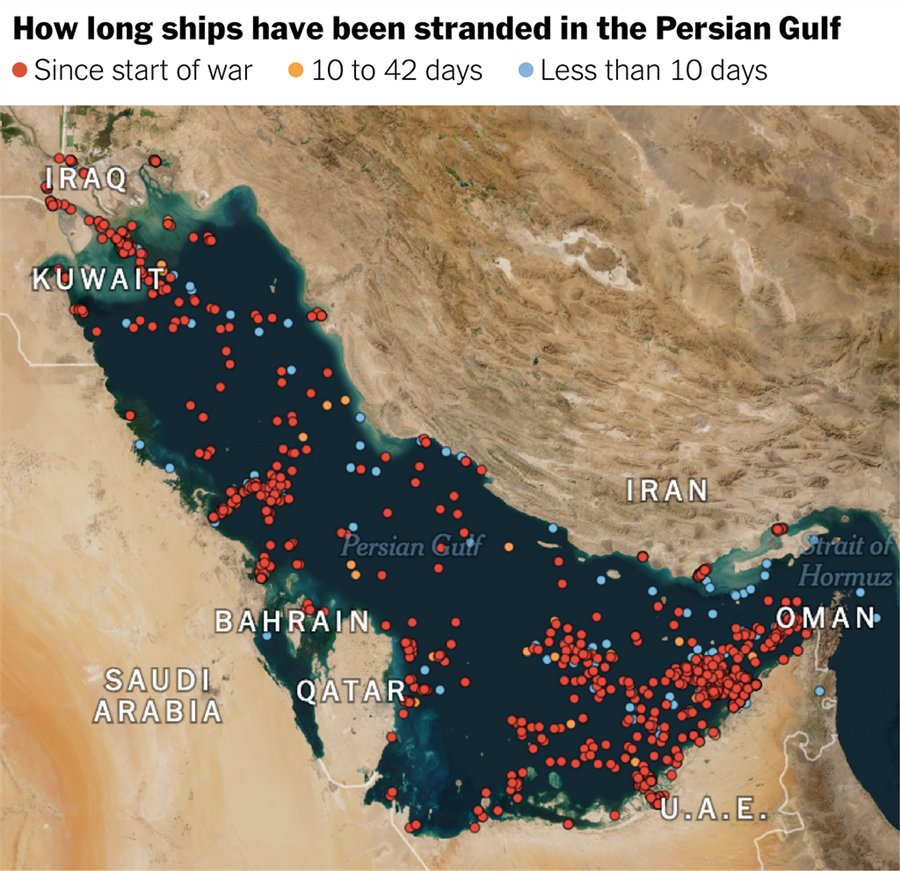
With a U.S. blockade in place and shipping companies nervous about risking their cargoes, traffic is at a mere trickle of prewar levels. Around 900 ships have been bottled up in the Persian Gulf over the course of the conflict, according to a New York Times analysis.
Related: European airlines will face fuel shortages within weeks if tankers do not soon begin crossing the strait.
| OTHER NEWS |
| Peter Mandelson, a friend of Jeffrey Epstein, became the Britain’s ambassador to the U.S. despite failing security vetting.Amid an escalating fight with the Trump administration, Pope Leo decried “those who manipulate religion and the very name of God for their own military, economic and political gain.”Russian airstrikes killed at least 18 people in the biggest barrage on Ukrainian cities in months.China’s economy posted stronger-than-expected growth as infrastructure investments offset weak consumer spending and a shrinking trade surplus.Hundreds of migrants from Bangladesh, including Rohingya refugees, are feared dead after a boat to Malaysia capsized last week, leaving only nine survivors.Allbirds, once the maker of Silicon Valley’s favorite shoe, said it would “pivot its business” to artificial intelligence, sending its shares up nearly 600 percent. |
Top of The World
The most clicked link in your newsletter yesterday was about Trump’s portrayal of the war in Iran colliding with reality.
| SPIRIT OF THE DAY |
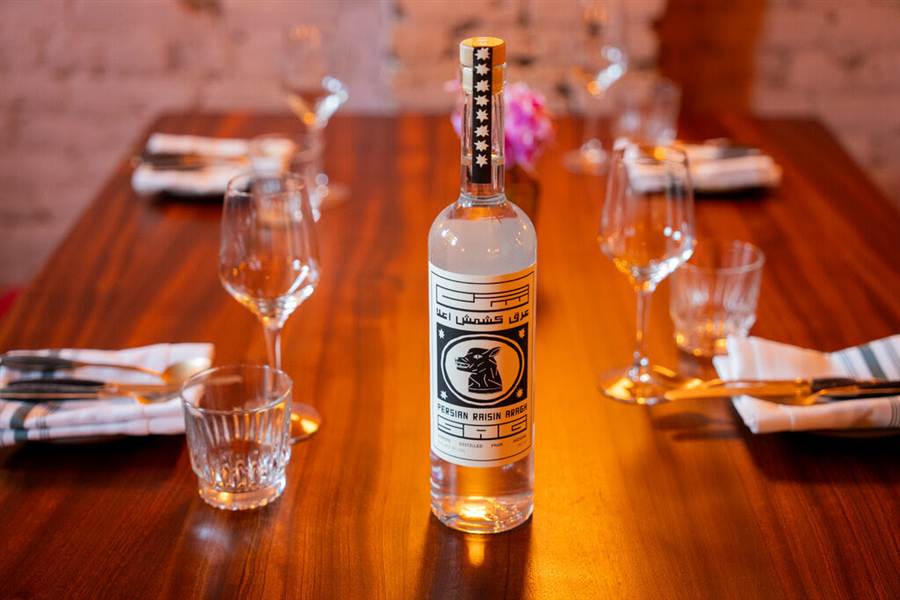
Aragh sagi
This liquor, traditionally distilled from raisins, was once ubiquitous in Iran. Inside the country it has been outlawed, along with other alcohol, since the Islamic Revolution in 1979. Now, as war engulfs their homeland, four expats are distilling aragh sagi in New York, where it is catching on in bars, restaurants and stores.
| MORNING READ |
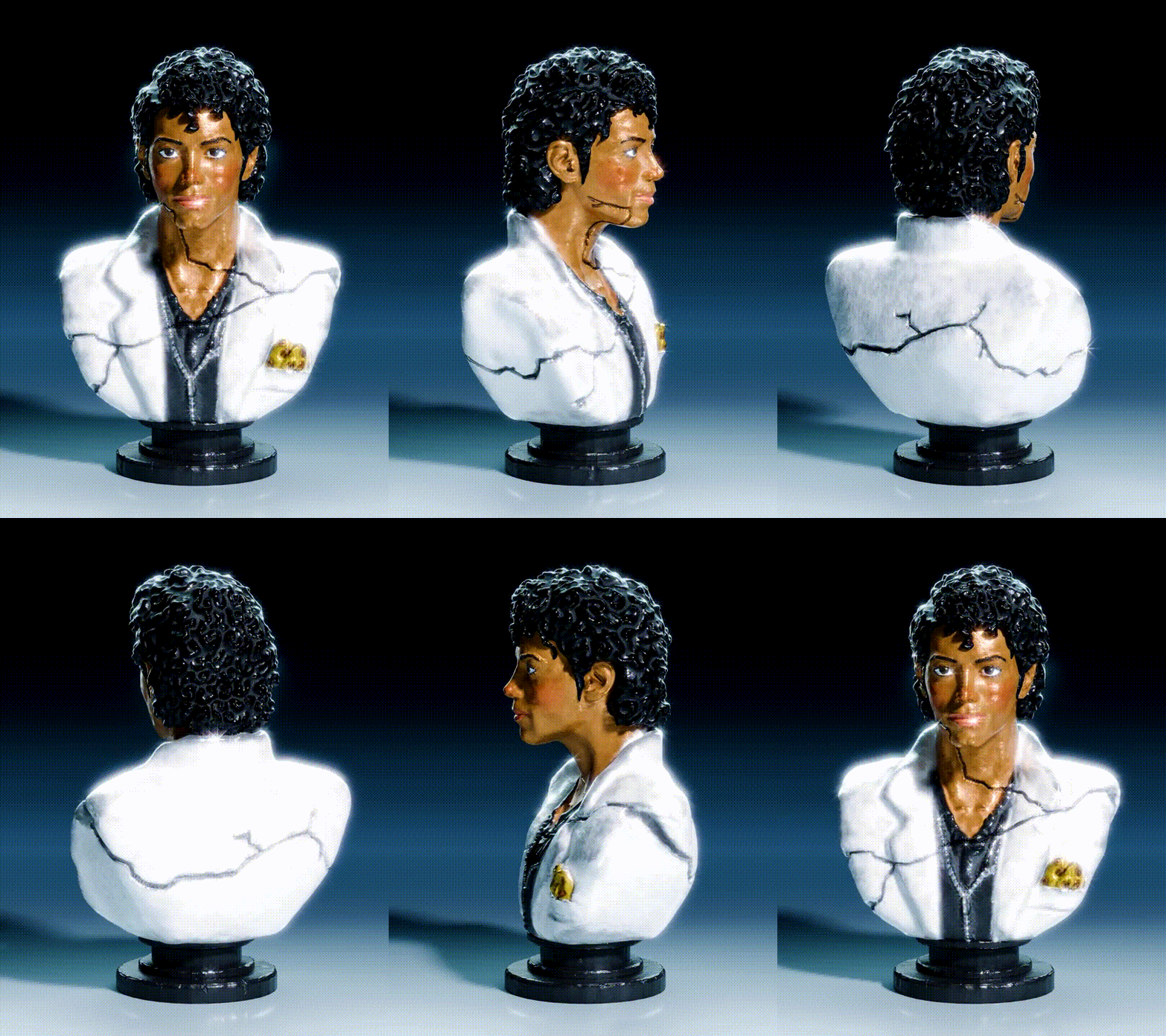
Musical biopics are carefully managed to please audiences and appease rights holders. Making one about Michael Jackson, whose legacy is tarnished by accusations of child sexual abuse, presents unique challenges.
“Michael,” an upcoming movie biography, ends its narrative during the Bad tour in 1988, before the first accusations emerged. The film is part of a posthumous rehabilitation campaign by Jackson’s estate, whose executors are among the producers. Read more about their efforts to restore the King of Pop’s image.
| AROUND THE WORLD |
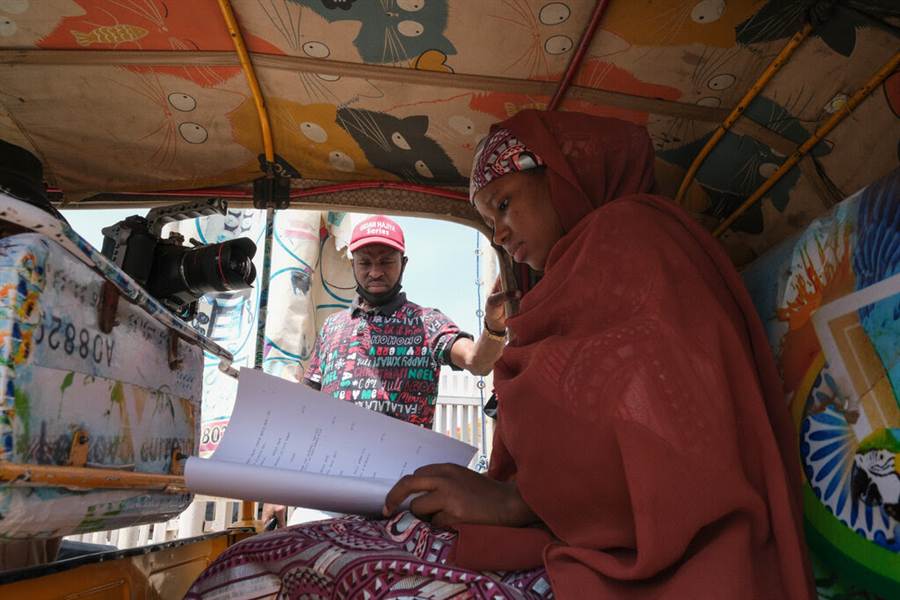
Welcome to Kannywood
Hollywood, Bollywood and Nollywood may be better known, but Kannywood in northern Nigeria has also become a moviemaking machine. The name comes from Kano, a city that churns out hundreds of Hausa-language productions a year.
Kannywood films must adhere to the region’s conservative Islamic standards, enforced by a censorship board. Touching between men and women onscreen is mostly forbidden, along with singing, dancing and drug use. But filmmakers have found creative workarounds to address social issues such as H.I.V. awareness, prostitution and early marriage. Read more.
| RECIPE |
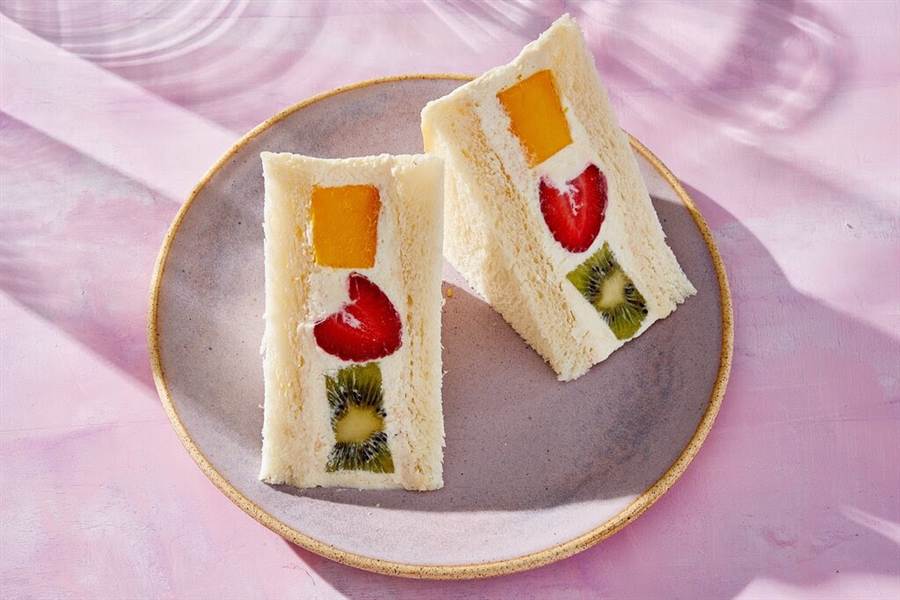
In these sandwiches, fresh fruit — fat strawberries, golden mango, kiwi or whatever you like — is engulfed in whipped cream mixed with mascarpone. In Japanese, the filling’s texture is “fuwa-fuwa”: fluffy like a cloud.
