
| April 9, 2026 | By Katrin Bennhold |
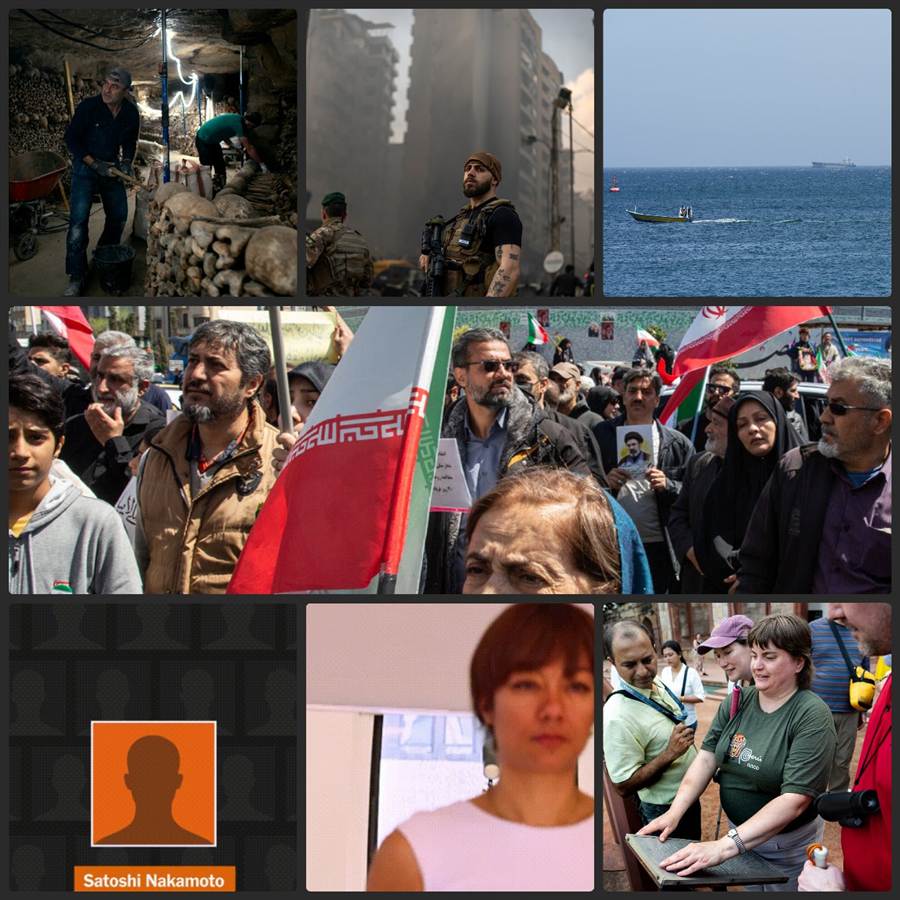
Good morning, world. The cease-fire between the United States and Iran is already looking shaky.
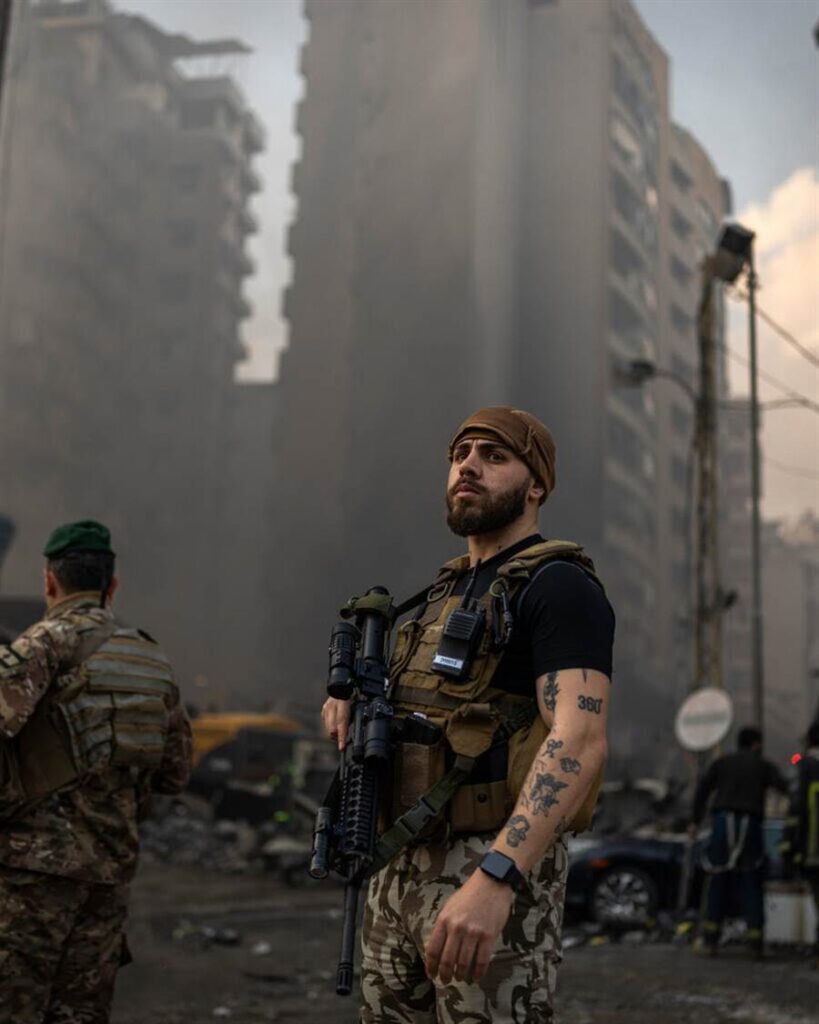
Israel conducted heavy strikes yesterday on densely populated areas of Lebanon, killing at least 182 people and wounding more than 800 in the deadliest day of the war so far. The Lebanese president called it a “massacre.” Israel said it was targeting Hezbollah.
Gulf countries, meanwhile, reported a barrage of attacks from Iran. The status of the Strait of Hormuz — the swift reopening of which was supposedly the point of the cease-fire — was not clear.
There’s a lot of uncertainty about what might happen over the next few days. Talks between U.S. and Iranian officials are set to take place in Islamabad this weekend.
Today I’m writing about how even if the war were to end now, many believe it has left the world and America worse off than before — and Iran feeling stronger.
Also:
| Unmasking Bitcoin’s creator Skeletons in Paris |
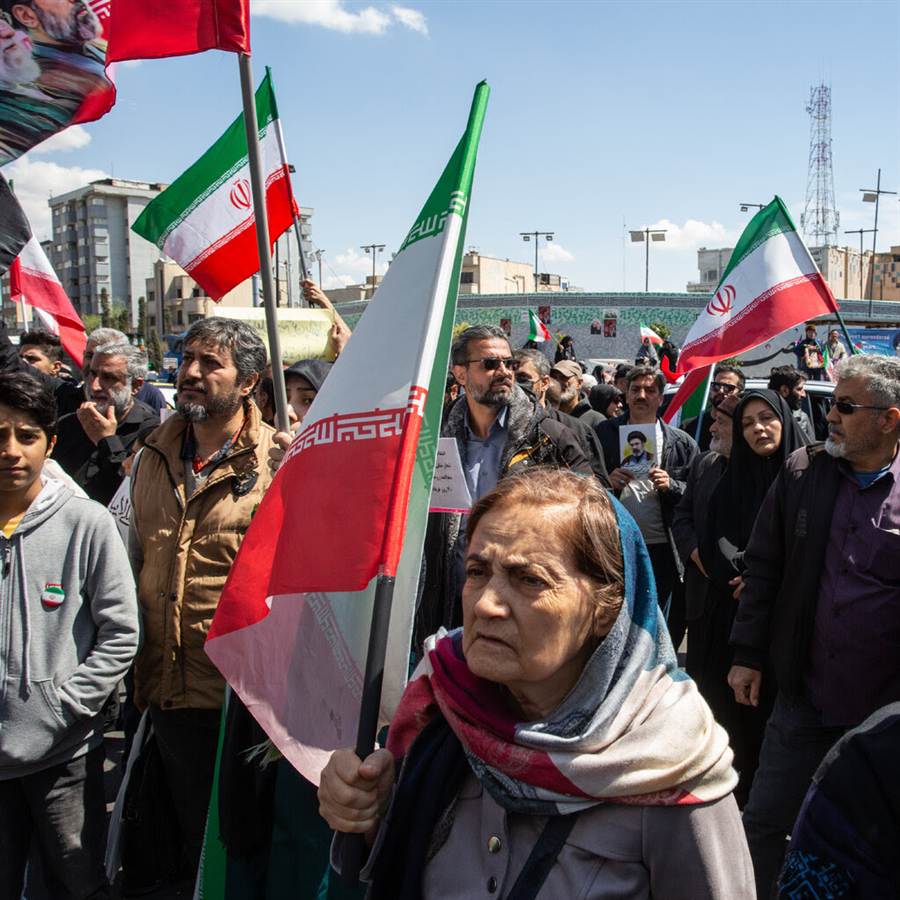
What now?
The line that stood out to me in President Trump’s cease-fire announcement was where he called Iran’s most recent 10-point peace proposal “a workable basis on which to negotiate.”
That seemed hard to reconcile with what we knew about the plan. Iran publicly released a draft; its demands include Iranian control of the Strait of Hormuz, a right to enrich uranium, the departure of all U.S. combat forces from the Gulf region and reparations for war damage.
Any of these points would constitute a major concession on America’s part.
Sure enough, on Wednesday, as the cease-fire began to look increasingly wobbly, the White House insisted that the plan Trump had called “workable” was actually a different plan, that Iran’s plan was “fundamentally unserious” and that the administration was working on another proposal, though what that looked like, it wouldn’t say.
The gap between what Iran wants and what the U.S. can accept might be one reason the cease-fire doesn’t end up holding. Israel’s ongoing attacks on Lebanon, and Lebanon’s murky status within the cease-fire, may be another.
Still, the scope of Iran’s demands, which one colleague called “maximalist,” was striking. Even as an opening gambit, they’re revealing: Iran, many analysts say, thinks it’s emerging from this war stronger.
‘More leverage than the nuclear program’
Trump claims the U.S. has “met and exceeded” all its military objectives. But as my colleague Anton Troianovski explains, most of the goals the U.S. laid out at the beginning of the war have not been met.
Trump went to war “to prevent Iran from getting a nuclear weapon, destroy its missile capability, break its regional proxies, eliminate its navy and create the possibility of regime change,” Anton writes. Six weeks later, none of those goals have been accomplished.
Hundreds of pounds of highly enriched uranium are still in Iran’s possession. An estimated one third of Iran’s missile arsenal may remain intact. Iran’s proxy network is weakened but not gone, and it retains enough maritime firepower to strangle the Strait of Hormuz.
And crucially, even after Iran’s supreme leader and dozens of other senior officials were killed, the regime in Tehran remains firmly in place — which is what has allowed Iran to claim victory. As my colleague Erika Solomon, our Iran bureau chief, explained: “For the Iranians, survival is the win.”
The war has also exposed Iran’s power over global energy markets by virtue of controlling the narrow strait that carries 20 percent of the world’s oil export. Iran’s ability to choke off the Strait of Hormuz was always theoretical — now it’s real.
“It may give them more leverage than the nuclear program did,” Erika told me. “Because it’s been tried and tested.”
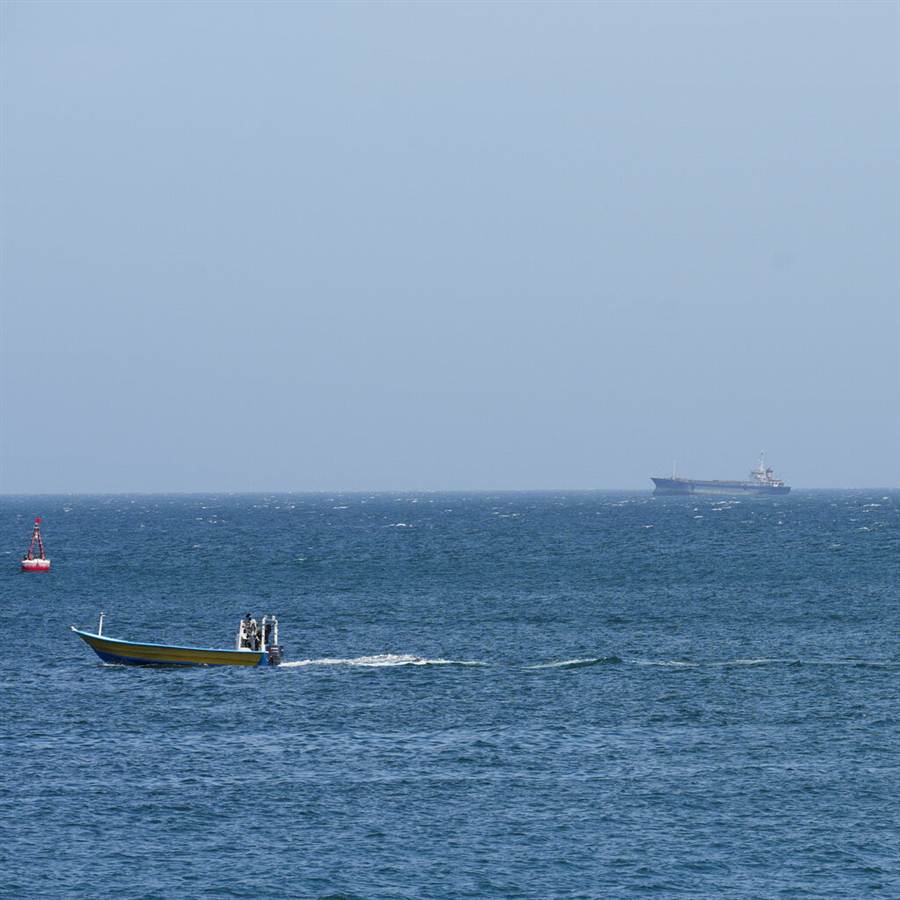
The strait, again
The top U.S. priority in recent weeks has been to reopen the strait — in other words, to solve a problem that came about as a direct consequence of the war itself.
The U.S. agreed to the cease-fire deal in order to allow flows of gas, oil and fertilizer to resume, and a handful of ships have since passed through.
But there were few signs yesterday of traffic picking up. “Most operators appear to be holding back,” one analyst told my colleagues. Others noted that Iran’s military was still controlling traffic — a “minimal functional change to the Iranian position prior to the cease-fire,” another said.
There were even reports in Iranian state media that traffic had been halted again, as a means of exerting pressure on Israel to stop continuing attacks on Lebanon, though it wasn’t clear whether those reports were genuine.
Even if traffic does restart in earnest, the process of restoring normality to energy markets could take months, thanks to a combination of repairing damaged infrastructure and bringing idled equipment back online.
Should the cease-fire hold, energy prices will eventually fall from their wartime levels, but they’ll probably remain higher than they would have been in the absence of war, analysts say. Going forward, oil traders will price in a higher risk of geopolitical disruption as a result of the past six weeks.
As far as wars go, this one hasn’t been especially long. But it might prove transformative. The scale of the disruption unleashed by the war — a war launched by the U.S. and Israel, without consultation with other countries — has left the rest of the world shaken.
As my colleague Jim Tankersley writes, since late February, world leaders have been swept up in Trump’s “personal and geopolitical gyrations.”
“Is the world a better place today than yesterday? Undoubtedly,” the Danish foreign minister, Lars Lokke Rasmussen, wrote on X. “Than 40 days ago? More than doubtful.”
Other developments:
| Iran said the cease-fire deal included Lebanon. The U.S. said it did not. The disagreement threatens to unravel the truce.American forces in the Middle East stand ready to resume combat. For Trump, the political risk of renewing hostilities is high.Read about the chaotic, 36-hour scramble for a cease-fire.Follow our live updates. |
| MORE TOP NEWS |

Unmasking Bitcoin’s inventor
Bitcoin’s creator has hidden behind the pseudonym Satoshi Nakamoto for 17 years. After a year and a half of digging, my colleague John Carreyrou concluded that Satoshi is in fact the British computer scientist Adam Back.
John uncovered striking similarities between Back’s and Satoshi’s online posts and emails. He also found that Back had, in a series of obscure emails, outlined almost every feature of Bitcoin a decade before Satoshi did. Watch his video above.
In response to the Times investigation, Back denied yesterday that he was Satoshi. Here are takeaways from the search for Bitcoin’s creator.
| OTHER NEWS |
| The party of Prime Minister Mark Carney is expected to win two special elections in Canada that could give his government broader powers.Greece plans to ban social media for children under 15, the country’s prime minister said.Meta unveiled a new flagship A.I. model called Muse Spark, its first under a revamped A.I. division as the company pushes to catch up to rivals.Natural gas is hard to store, but China has found a way to do it. The country’s stockpiles have helped cushion it from the supply shock caused by the war in the Middle East. |
WHAT ELSE IS HAPPENING
| A study last year said church attendance had soared among British young people, exciting religious conservatives around the world. Turns out it wasn’t true.A woman who illegally sold the ketamine that killed the actor Matthew Perry was sentenced to 15 years in prison. |
Top of The World
The most clicked link in your newsletter yesterday was the first photos from the NASA moon flyby.
| ‘HOW TO’ OF THE DAY |

Strut like a model
The writer Liana Satenstein spent an intense (and expensive) 90 minutes in Manhattan learning how to stride the runway like a model. Her instructor’s methodology was simple: C.N.S., confident, natural and strong.
| MORNING READ |
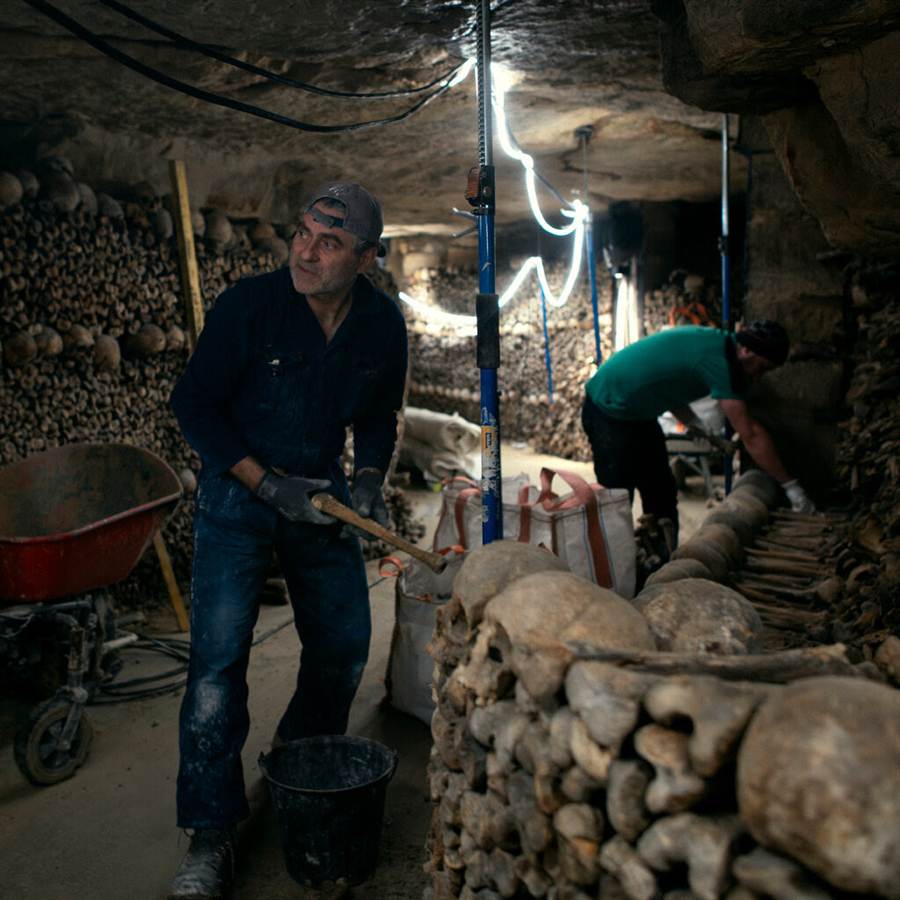
Paris has more to offer than great restaurants. You can also go down into a dank and macabre underground labyrinth filled from floor to ceiling with the bones of up to six million people.
For more than two centuries, tourists have been visiting the site, known as the catacombs. The tunnels served as an 18th-century remedy to a gruesome problem: The city’s cemeteries were overflowing. So the city stacked up the bones in caverns. Now, after renovations that aimed at maintaining the somber and spooky appeal, the catacombs have reopened. “The goal isn’t to turn it into Disneyland,” the catacombs’ administrator said. Read more.
| AROUND THE WORLD |
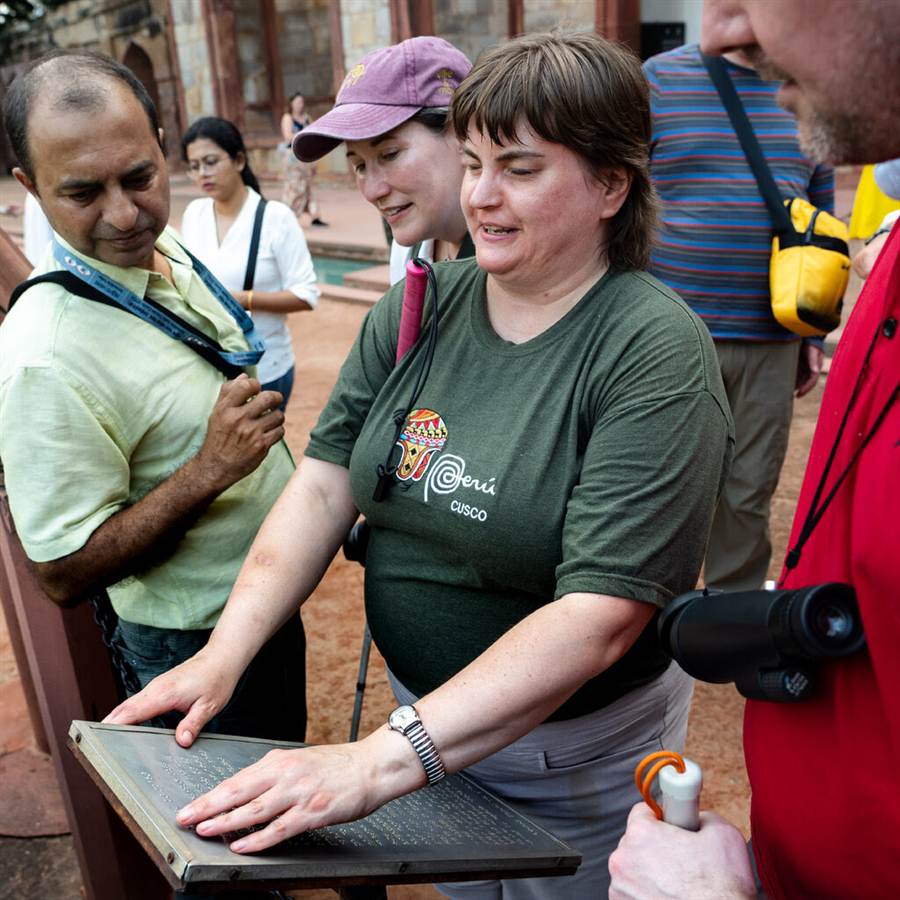
How the world reveals itself to blind travelers
What does it mean to travel somewhere new and not be able to see it?
A writer joined a 10-day tour through northern India that was designed for blind people. Each day, he was paired with a different traveler with limited vision and together they explored the sites.
In Agra, he and his partner for the day joined the early-morning crowds jockeying for photographs of the Taj Mahal. One traveler said his time inside was deeply moving. “I heard this low, generic hum — almost like an ‘om’ — filling the space from people quietly talking,” he said. “I realized that everyday conversation had created this peaceful resonance, like a background chant. Sighted people probably wouldn’t even hear it; they’re too busy snapping photos.” Read more about the world of blind travelers.
| RECOMMENDATIONS |
Watch: A new Netflix documentary focuses on cheating accusations that rocked the chess world.
Admire: Designers went deep on their love of flowers and plants in these fashion shows inspired by gardens.
Listen: Is this Bach’s most underrated music?
Test: Can you name these novels from their characters? Take this quiz.
| RECIPE |
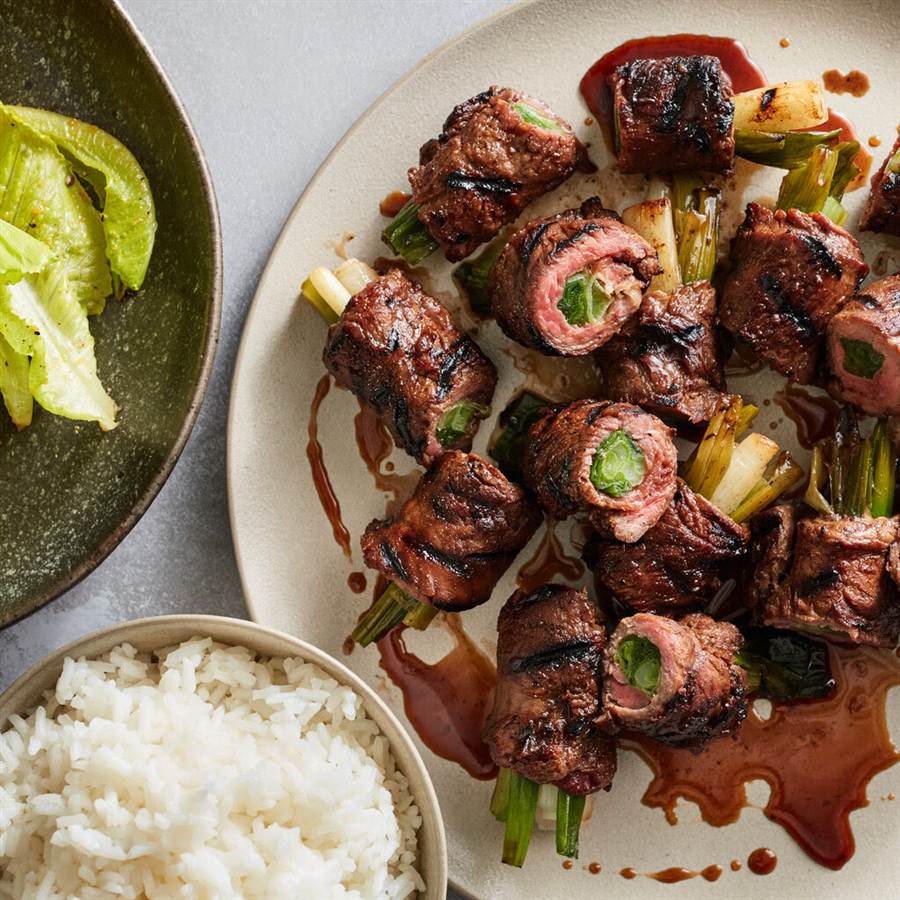
Negimaki is a traditional Japanese dish consisting of thinly pounded meat that’s marinated in teriyaki sauce, wrapped around scallions and grilled. Bonus? Any leftovers can be chopped and tossed into fried rice the next day.
